Musk Admits Stupid Tweets in Twitter Shareholder Trial as Ex-Executives Fight Back
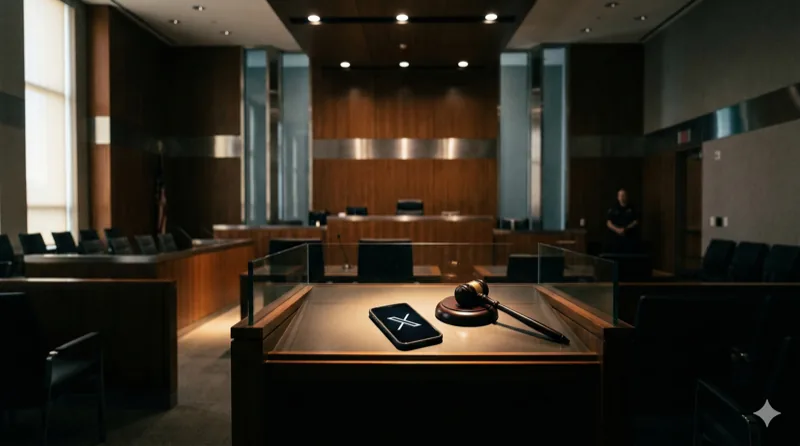
Musk Takes the Stand in $44 Billion Twitter Fraud Trial
Elon Musk is currently defending himself in a San Francisco federal court against former Twitter shareholders who allege he committed securities fraud during his tumultuous $44 billion acquisition of the social media platform in 2022. The class-action lawsuit represents investors who sold Twitter stock between May 13 and October 4, 2022 — a period during which Musk’s public statements allegedly drove the stock price into the ground before he closed the deal.
On the stand Wednesday, Musk offered what may be the most honest self-assessment of his social media habits to date: “If this was a trial on whether I’ve made stupid tweets, I’d say I’m guilty.”
The Spam Bot Saga That Tanked Twitter’s Stock
The core of the dispute centers on Musk’s obsession with spam bots on Twitter. After agreeing to buy the company at $54.20 per share, Musk began publicly questioning whether Twitter’s SEC filings — which stated roughly 5% of accounts were bots — were accurate. He claimed more than 50% of comments and replies to his posts were from spam accounts.
On May 13, 2022, Musk tweeted that the deal was “temporarily on hold” pending evidence supporting Twitter’s bot calculations. The result was immediate: Twitter’s stock “took the elevator to the basement,” dropping 18% over the following 48 hours, according to the plaintiffs’ attorney.
When asked repeatedly whether he considered how the tweet would affect shareholders, Musk gave the same answer: “I was simply speaking my mind.”
Ex-Executives Push Back Hard
Former Twitter CEO Parag Agrawal and CFO Ned Segal took the stand to dispute Musk’s narrative that they lied about the platform’s user base. Musk testified that he was “flabbergasted” when both executives said they didn’t know exactly how Twitter determined the 5% figure.
Segal’s testimony directly contradicted Musk’s claims. Asked about the 5% spam account rate, Segal said the real number was actually closer to 1% — far below what Twitter had even reported in its SEC filings, and nowhere near the “over 50%” Musk claimed. Segal also firmly denied that Twitter ever filed false reports with the SEC.
Meanwhile, Musk’s longtime business manager Jared Birchall testified that his boss’s tweets were prompted by “frustration” at not receiving the bot data he requested — not a calculated attempt to tank the stock.
What’s at Stake
If the jury sides with the plaintiffs, damages could reach billions of dollars. The investors argue they acted on Musk’s allegedly misleading statements, including when he claimed in July 2022 that he was “terminating” the deal entirely.
This trial is just one of several legal battles Musk faces over the Twitter acquisition. The SEC has filed separate charges alleging he violated securities laws by not disclosing his stake in Twitter while the deal was being negotiated. In another case, a judge ruled that Agrawal, Segal, Vijaya Gadde, and Sean Edgett can proceed with claims that Musk fired them right before closing to cheat them out of severance pay.
The trial, presided over by U.S. District Judge Charles R. Breyer, is scheduled to continue through March 16.
The Bottom Line
Here’s the irony: Musk ended up paying the full $54.20 per share he originally offered. He didn’t get a discount. He didn’t renegotiate. He bought Twitter at a “premium,” as he told the jury himself. So the question isn’t whether Musk got a better deal — he didn’t. The question is whether his public rants about spam bots constituted securities fraud that cost shareholders who sold during that window billions. Musk says he was just “speaking his mind.” The shareholders say he was speaking their money right out of their portfolios.