Missouri Town Ousts Entire City Council One Week After Approving 6 Billion Dollar Data Center
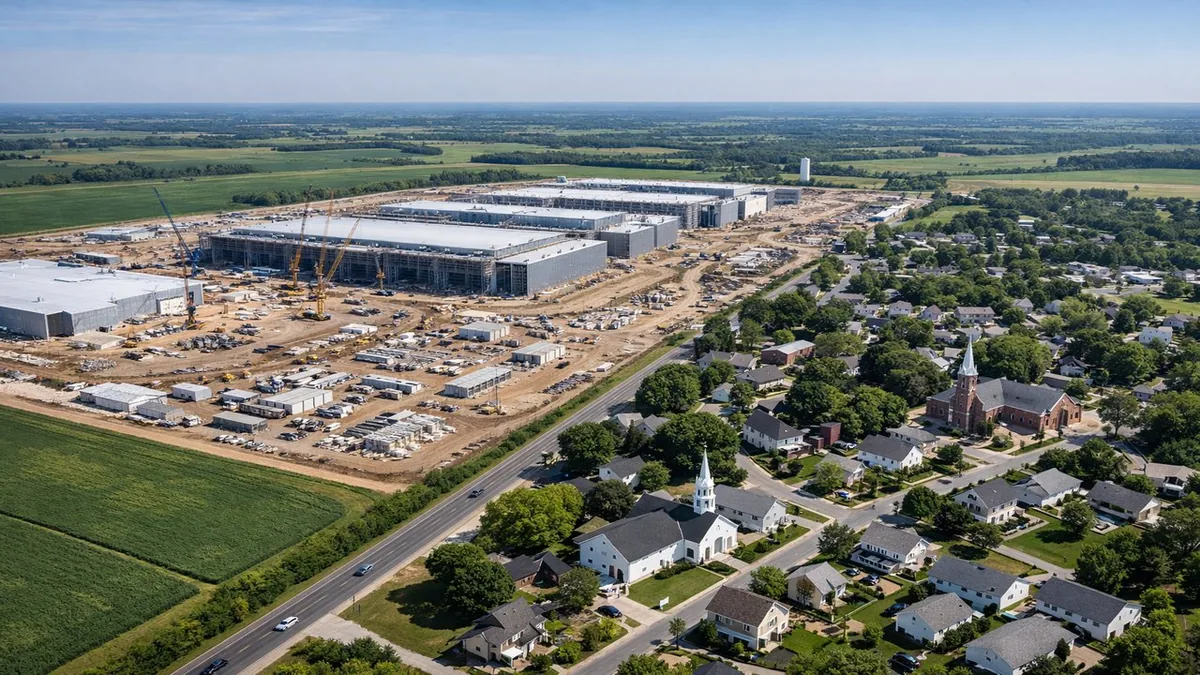
Voters in Festus, Missouri ousted all four incumbent city council members just one week after the council approved a $6 billion data center project on 360 acres of farmland north of Highway 67 — marking one of the most direct democratic rejections of AI infrastructure expansion in US history.
Council Voted 6-2 to Approve the Project — Then Lost Their Seats
The Festus City Council voted 6 to 2 on March 31, 2026 to approve an agreement with developer CRG Clayco for a likely hyperscale data center project. The vote came despite months of vocal community opposition over transparency, environmental concerns, and the scale of industrial development proposed for the small Missouri town of roughly 12,000 residents.
Seven days later, on April 7, all four incumbents who supported the plan were voted out of office. Four challengers running on explicitly pro-transparency and anti-data-center platforms swept each of the contested seats, flipping half of the eight-member council in a single election cycle. Newly elected members have stated they will immediately explore options to halt the project, according to St. Louis Public Radio.
The Broader Pattern: Data Centers vs Local Communities
The Festus result is the most dramatic example yet of a growing backlash against the wave of AI data center construction sweeping rural and suburban America. Twelve US states introduced data center moratorium bills in 2026, reflecting widespread concern about water usage, power grid strain, noise, and the appropriateness of industrial-scale facilities in residential areas.
Data center developers have increasingly targeted small towns for their lower land costs, available power infrastructure, and fewer regulatory hurdles — but Festus shows that community resistance can still override those advantages when voters are motivated. The project's $6 billion price tag represents a sum roughly 500 times the town's annual municipal budget.
What Happens to the Project Now
The newly elected council members are expected to be sworn in by the end of April. Whether they can legally halt a project already approved under contract will depend on the specific terms of the CRG Clayco agreement and Missouri municipal law. Legal challenges and prolonged delays are considered likely. The developer has not publicly commented on the election results.
The outcome draws comparisons to earlier community fights against major data center expansions in Virginia and Iowa, where local opposition slowed but ultimately did not stop projects. Festus represents a rarer case where opponents succeeded electorally before construction began.
Frequently Asked Questions
Why did Festus voters oust their city council?
Festus, Missouri voters removed all four incumbent council members who supported a $6 billion data center approval, in an election held just one week after the council's 6-2 vote. Voters cited concerns about transparency, community input, and the scale of the industrial project.
Can the new Festus council stop the data center?
The incoming council members have said they plan to explore legal options to halt the project. Whether that is possible depends on the contract terms with developer CRG Clayco. Legal challenges and significant delays are expected, but outright cancellation is uncertain.
Who is building the Festus data center?
The project was approved for developer CRG Clayco on approximately 360 acres north of Highway 67 in Festus. The facility is described as a likely hyperscale data center, though full specifications have not been publicly disclosed.
The Bottom Line
Festus is a landmark moment in the AI infrastructure buildout: the first clear case where a community used a municipal election — not a lawsuit or a state moratorium — to directly reverse a data center approval. As hyperscale facilities multiply across rural America, expect local political resistance to intensify as residents discover that ballot boxes can be more effective than comment periods.