Microsoft Launches Copilot Health, an AI Chatbot for Your Medical Data
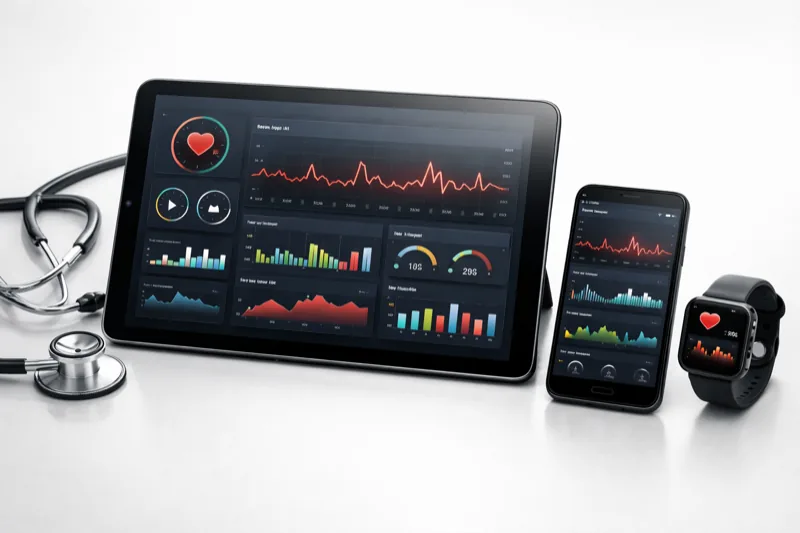
Microsoft has entered the AI health assistant race with Copilot Health, a dedicated tab inside its Copilot AI assistant that lets users upload medical records, wearable data, and health histories to get personalized health insights. The tool was announced at HIMSS 2026 in Las Vegas.
What Copilot Health Does
Copilot Health is a walled-off section of Microsoft's AI assistant where you can connect your medical records (either manually through provider portals or via HealthEx, a health data aggregator), wearable devices like Oura rings, Apple HealthKit, and Fitbit, and your health conversation history. The AI then uses all of this data to answer health questions and provide guidance.
Microsoft says its products already handle 50 million health queries daily — everything from knee pain questions to finding open urgent care clinics. Copilot Health aims to consolidate and improve on that with a dedicated, privacy-focused experience.
The Competition
Microsoft is far from the first to launch this kind of tool. OpenAI released ChatGPT Health in January 2026, offering similar medical record integration and health query features. Anthropic added health data upload capabilities to Claude. Amazon launched a health-focused AI assistant for One Medical members in late January and recently expanded it to all U.S. customers.
Privacy and Safety
Copilot Health features encryption at rest and in transit, and your health data stays isolated — it does not flow back to the general Copilot AI. Users can delete their data at any time. The tool was developed with Microsoft's internal clinical team and an external panel of over 230 physicians across 24 countries.
Still, accuracy remains a real concern. A recent study found OpenAI's health chatbot frequently underestimated the severity of serious conditions, like recommending someone with impending respiratory failure see a doctor in 24-48 hours instead of going to the ER.
The Bottom Line
Every major tech company now has a health AI chatbot, which tells you two things: there is enormous demand for AI-powered health guidance, and none of these companies want to be left out of what could be a massive market. The question is whether "medical super intelligence" — as Microsoft's health VP called it — is an achievable goal or just marketing language for a souped-up symptom checker.