Micron Commits $200 Billion to US AI Memory Chip Expansion as Shortage Intensifies
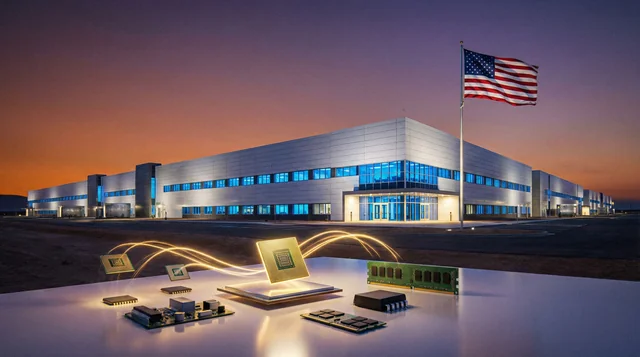
Micron Technology has announced a staggering $200 billion investment in expanding its US-based memory chip manufacturing, as the AI-driven demand for high-bandwidth memory continues to far outstrip supply. The company currently can only meet between 50% and 66% of customer demand — a gap that's reshaping the global semiconductor landscape.
The Scale of Micron's Investment
The $200 billion commitment is split across two major campuses:
- $50 billion Boise, Idaho campus — Two massive 600,000 square-foot fabrication facilities, with the first (ID1) expected to be operational by mid-2027
- $100 billion Syracuse, New York fab — A new mega-facility that will become one of the largest semiconductor plants in the US
These investments position Micron as a central player in the US government's push to reshore semiconductor manufacturing and reduce dependence on Asian suppliers.
Why Memory Is the Hottest Asset in AI
The numbers tell the story of an industry in the grip of unprecedented demand:
- DRAM prices up 170% over the past year
- DDR5 memory prices up 500% — the specific type used in AI data centers
- Micron's share price up 6x since April of the previous year
- Gross margins surged from 18.5% to 56% — a dramatic turnaround
Every major AI model — from GPT to Gemini to Claude — requires enormous amounts of high-bandwidth memory (HBM) to process data. As these models grow larger and AI inference scales to billions of users, the memory bottleneck has become the single biggest constraint on AI infrastructure expansion.
A Shortage With No Quick Fix
Industry analysts expect the memory shortage to persist through the end of 2026 and into the first half of 2027. Building new fabrication facilities takes years, and even with massive investments from Micron and competitors like SK Hynix (which is building a $13 billion fab of its own), supply won't catch up to demand quickly.
The shortage is already having ripple effects across the tech industry:
- Sony has delayed the PlayStation 6 partly due to memory component constraints
- Valve's Steam Deck has faced recurring out-of-stock issues
- Gaming consoles and consumer electronics are competing with AI data centers for the same memory chips
The Geopolitical Dimension
Micron's US-focused expansion is part of a broader trend of semiconductor reshoring. With geopolitical tensions around Taiwan (home to TSMC, the world's largest chipmaker) and increasing US-China tech restrictions, having domestic memory production capacity has become a matter of national security.
The US CHIPS Act has provided significant incentives for companies like Micron to build domestically, and the $200 billion commitment suggests the company sees long-term demand that justifies the enormous capital expenditure.
The Bottom Line
Micron's $200 billion bet is a clear signal that AI memory is the new oil. The company's transformation from a cyclical commodity chipmaker to a high-margin AI infrastructure provider — with gross margins tripling from 18.5% to 56% — shows just how fundamentally AI has reshaped the semiconductor industry. For investors, tech companies, and consumers alike, the memory shortage means higher costs and longer wait times for everything from AI services to gaming consoles, with no relief in sight until at least 2027.