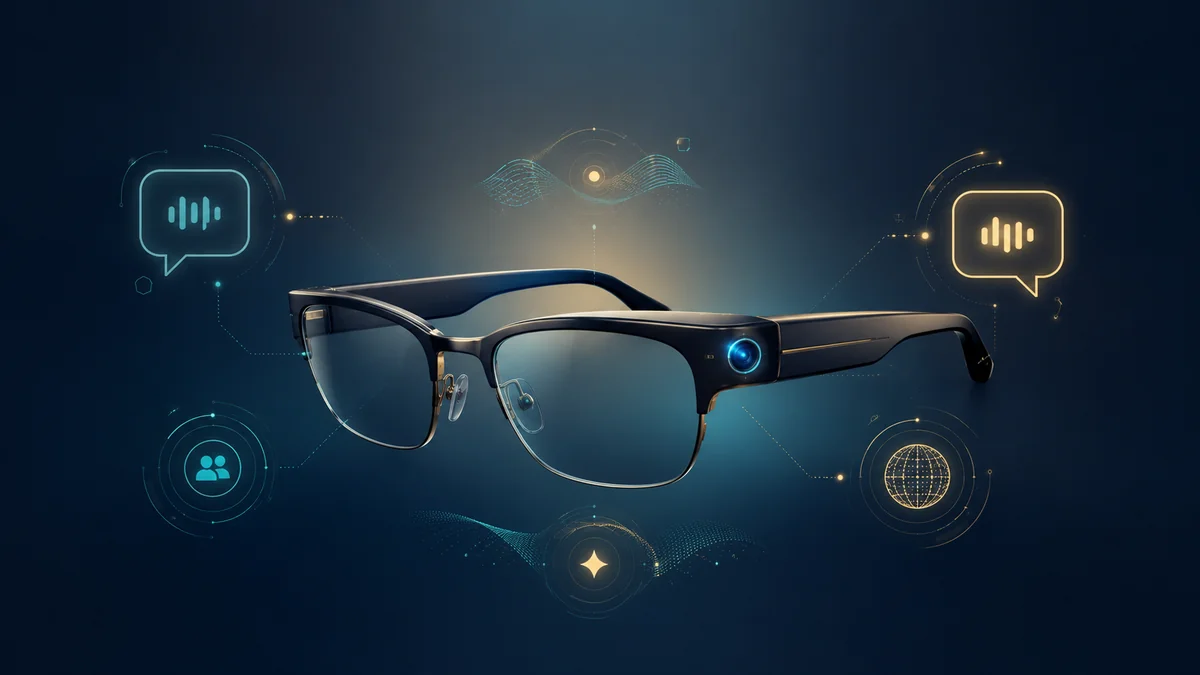
Smart glasses just got cheaper — and a lot more "Meta." On June 23, 2026, Meta unveiled its first smart glasses under its own brand, the Adventurer and Fury at $299 each, plus a flashier $399 Starfire made with Kylie Jenner. The headline isn't a new gadget so much as a new price — and a new strategy.
By dropping the premium Ray-Ban label while keeping the same core hardware, Meta is making a clear push to take AI glasses mainstream — ideally before Apple shows up. Here's the full rundown.
What Happened
Meta launched a new line of AI smart glasses under the "Meta" name, built in partnership with eyewear giant EssilorLuxottica and sold through retailers including LensCrafters. It's a notable shift: until now, Meta's glasses rode on the Ray-Ban (and Oakley) brands. Now Meta is putting its own name front and center — at a lower price.
The Lineup & Prices
| Model | Price | Angle |
|---|---|---|
| Meta Adventurer | $299 | Mainstream everyday glasses |
| Meta Fury | $299 | Mainstream everyday glasses |
| Meta Starfire (with Kylie Jenner) | $399 | Fashion-forward, younger audience |
The key number is $299 — meaningfully cheaper than the previous Ray-Ban Meta models, and low enough to tempt buyers who were curious but not ready to pay a designer premium.
Why Meta Dropped Ray-Ban
Going own-brand does two things. First, it strips out the designer markup, letting Meta hit that aggressive $299 price. Second, it gives Meta more control over its product roadmap rather than tying everything to a fashion house. Crucially, it's still built with EssilorLuxottica — so Meta keeps the manufacturing and retail muscle while owning the brand and the price.
What's Inside
Here's the clever part: you're not giving much up for that lower price. The Adventurer and Fury carry essentially the same core hardware as the Ray-Ban Meta Gen 2:
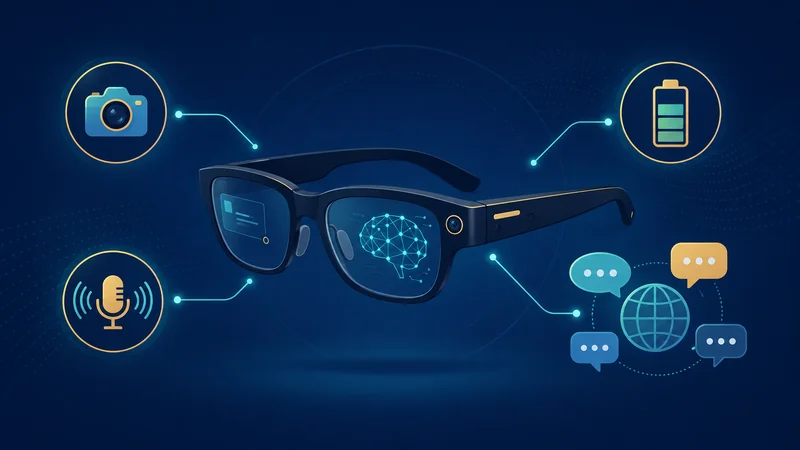
- 12-megapixel camera
- 3K video capture
- Five-microphone array
- ~8 hours of battery, with the case adding about 40 more hours
In other words, the cheaper glasses match the pricier line's capabilities — you're mostly paying less for the absence of designer branding. For how AI hardware keeps getting cheaper and more capable, see our look at 2026's AI models powering devices like these.
Muse Spark AI & Translation
The glasses ship with Meta's Muse Spark AI model, which Meta says improves response quality and — most notably — expands live translation. It adds 14 new languages, including Mandarin, Korean, Japanese, Arabic and Hindi, bringing the total to 20.
Real-time translation you can hear in your ears, triggered by what you see and say, is exactly the kind of "magic" use case that sells smart glasses — and adding Hindi and major Asian languages widens their appeal well beyond English-speaking markets. It's the same AI-on-the-edge trend reshaping wearables like earbuds.
The Kylie Jenner Play
The $399 Starfire, created with Kylie Jenner, is the obvious bid for fashion credibility and a younger audience. It signals that even as Meta chases mass-market pricing with Adventurer and Fury, it still wants smart glasses to be seen as cool, not just clever. Celebrity collaborations are a fast way to make a gadget feel like an accessory.
Why It Matters
- Price is the unlock. At $299, AI glasses move from early-adopter toy toward mainstream gadget.
- Meta wants the platform, not the markup. Owning the brand and price gives it control as glasses become a computing platform.
- Translation is the killer app. 20-language live translation — including Hindi — is a genuinely useful, everyday reason to buy.
- It's a race against Apple. Getting capable, affordable glasses out first builds a lead in users and developers before Apple's expected entry.
Frequently Asked Questions
What smart glasses did Meta just launch?
On June 23, 2026, Meta launched its first smart glasses under its own brand: the Meta Adventurer and Meta Fury, both priced at $299, plus a $399 Starfire model made in collaboration with Kylie Jenner. They're built with EssilorLuxottica and sold through retailers like LensCrafters, marking a move away from the premium Ray-Ban Meta branding.
How much do Meta's new smart glasses cost?
The Meta Adventurer and Meta Fury both start at $299, making them notably cheaper than the previous Ray-Ban Meta models. The fashion-focused Starfire edition, created with Kylie Jenner, costs $399. The lower entry price is clearly aimed at pushing smart glasses toward the mainstream.
What are the specs of the Meta Adventurer and Fury?
They carry the same core hardware as the Ray-Ban Meta Gen 2: a 12-megapixel camera, 3K video capture, a five-microphone array, and about eight hours of battery life, with the charging case adding roughly 40 more hours. So you get the same capabilities as the pricier line at a lower price, minus the premium designer branding.
What is Muse Spark AI?
Muse Spark is the AI model that ships on Meta's new glasses. Meta says it improves response quality and expands live translation by adding 14 new languages — including Mandarin, Korean, Japanese, Arabic and Hindi — bringing the total to 20. That makes real-time, on-your-face translation one of the headline features.
Why did Meta drop the Ray-Ban branding?
By launching under its own 'Meta' brand (still built with eyewear giant EssilorLuxottica), Meta can offer the same technology at a lower price without the premium designer markup, and it gains more control over its product line. The Kylie Jenner Starfire shows it still wants fashion appeal — but the cheaper Adventurer and Fury are about reaching a much bigger audience.
When and where can I buy them?
Meta said the Adventurer, Fury and Starfire glasses are available starting on launch day through Meta and EssilorLuxottica retail partners, including LensCrafters. Availability and timing can vary by country, so exact rollout outside the US may differ.
How do they compare to Apple's smart glasses?
Meta's launch is widely seen as a move to grab the mainstream smart-glasses market ahead of Apple's expected debut. By getting capable AI glasses to a $299 price point first, Meta is trying to build a head start in users and developers before Apple enters — much as it did with the earlier Ray-Ban Meta line.
Final Thoughts
Meta's $299 glasses won't wow anyone on raw specs — they're largely the same hardware as before. What's changed is the strategy: drop the designer markup, slap on the Meta name, sharpen the AI, and chase the mainstream before Apple arrives. A celebrity edition keeps it fashionable; a lower price makes it accessible.
If smart glasses are going to be the next big computing platform, the winner needs volume — lots of people wearing them, lots of developers building for them. By making capable AI glasses cheaper and putting its own name on the box, Meta just made its most serious play yet to be that winner. We'll be watching how Apple responds.