Lobster As A Pet in 2026: Complete Care Guide, Species Tips & Ethical Considerations
Understanding Lobster Species for Pet Ownership in 2026
Keeping a lobster as a pet has gained significant attention among aquarium enthusiasts in 2026, but it's crucial to understand both the rewards and challenges before making this commitment. With proper care, some lobster species can live 10-40 years, making them one of the longest-lived aquarium pets available.
The key to successful lobster ownership lies in understanding the dramatic differences between species, their specific habitat requirements, and the legal considerations that vary by location. This comprehensive guide will help you make an informed decision about whether a pet lobster is right for you.
Video: Raising a Grocery Store Lobster as a Pet
Cold-Water vs Reef Lobsters: Choosing the Right Species
Modern aquarium technology in 2026 has made it possible to keep both cold-water and tropical reef lobster species, each with distinct care requirements and characteristics.
For more details, check out our guide on Navigating Clinical Trials: Choosing the Best Clinical Trial Management Software.
Cold-Water Lobster Species
Cold-water lobsters, including the iconic American lobster (Homarus americanus), require specialized cooling systems and larger tank setups. These species typically need:
- Water temperature: 45-60°F (7-15°C)
- Tank size: Minimum 120 gallons for adult specimens
- Specialized equipment: Aquarium chillers ($400-$800 in 2026)
- Higher salinity: 1.024-1.026 specific gravity
Reef Lobster Species
Tropical reef lobsters are generally more suitable for home aquariums due to their smaller size and compatibility with standard marine aquarium equipment. Popular species include:
- Debelius Reef Lobster (Enoplometopus debelius)
- Purple Reef Lobster (Enoplometopus occidentalis)
- Crinoid Squat Lobster (Allogalathea elegans)

A reef lobster in a properly set up marine aquarium with live rock and coral
Tank Size Requirements by Species
Proper tank sizing is critical for lobster health and behavior. The following guidelines reflect current best practices for 2026:
| Species | Minimum Tank Size | Adult Size | Temperament |
|---|---|---|---|
| Debelius Reef Lobster | 29 gallons | 4-5 inches | Semi-aggressive |
| Purple Reef Lobster | 40 gallons | 5-6 inches | Aggressive |
| Crinoid Squat Lobster | 29 gallons | 2-3 inches | Peaceful |
| American Lobster | 120+ gallons | 12-20 inches | Highly aggressive |
Essential Equipment and Setup Costs
Setting up a proper lobster habitat requires significant investment in specialized equipment. Here are the current 2026 prices for essential components:
Basic Marine Aquarium Setup
- Tank: $200-$1,500 (depending on size)
- Protein skimmer: $150-$400
- Live rock: $8-12 per pound
- Marine salt mix: $35-50 per bucket
- LED lighting: $200-$600
Specialized Lobster Equipment
- Cave structures: $25-$75 each
- Sand substrate: $30-$50 per bag
- Water testing kits: $40-$80
- Aquarium chiller (for cold-water species): $400-$800
Optimal Diet and Nutrition
Proper nutrition is essential for lobster health and successful molting. Modern lobster diets in 2026 focus on balanced nutrition with specific attention to calcium and iodine supplementation.
Primary Food Sources
Commercial pellets designed specifically for crustaceans form the foundation of a healthy lobster diet. Top-rated brands in 2026 include:
- Hikari Crab Cuisine: $12-15 per container
- New Life Spectrum Marine: $18-22 per container
- Omega One Marine Pellets: $14-18 per container
Supplementary Foods
Brine shrimp (both live and frozen) provide essential nutrients and stimulate natural hunting behaviors. Other beneficial foods include:
- Frozen mysis shrimp ($8-12 per pack)
- Chopped fish and shellfish
- Marine algae sheets
- Blanched vegetables (zucchini, spinach)
Critical Supplements
Calcium and iodine supplements are crucial for proper shell development and molting:
- Calcium: Kent Marine Liquid Calcium ($15-20)
- Iodine: Seachem Reef Iodide ($12-16)
- Molting supplements: Specialized products ($20-30)
Legal Considerations and Permits
Lobster ownership regulations have become more stringent in 2026, with many jurisdictions implementing specific requirements:
Federal Regulations
- CITES permits may be required for certain species
- Interstate transport restrictions apply to native species
- Import documentation required for international species
State and Local Laws
- Some states prohibit keeping native lobster species
- Aquaculture permits may be required
- Size and possession limits often apply
- Release prohibitions to prevent ecological damage
Important: Always check with local fish and wildlife authorities before acquiring a pet lobster. Violations can result in significant fines and legal consequences.
Health Management and Veterinary Care
Lobster health management requires understanding common diseases and having access to qualified veterinary care. In 2025, more exotic animal veterinarians specialize in crustacean care.
See also: Understanding the Impact of 3PL on Inventory Management.
Common Health Issues
- Shell disease: Bacterial infections affecting the exoskeleton
- Molting problems: Incomplete or failed molting
- Parasitic infections: External parasites and internal pathogens
- Nutritional deficiencies: Leading to poor growth and shell quality
Preventive Care
- Regular water quality testing and maintenance
- Quarantine procedures for new additions
- Proper nutrition with essential supplements
- Stress reduction through appropriate habitat design
The Blue Lobster Phenomenon and Social Media Trend
Pet lobsters have exploded in popularity thanks to viral social media content. Blue lobsters — a rare genetic mutation occurring in roughly 1 in 2 million lobsters — have become internet celebrities, with videos of their rescue from restaurant tanks garnering millions of views on TikTok and YouTube.
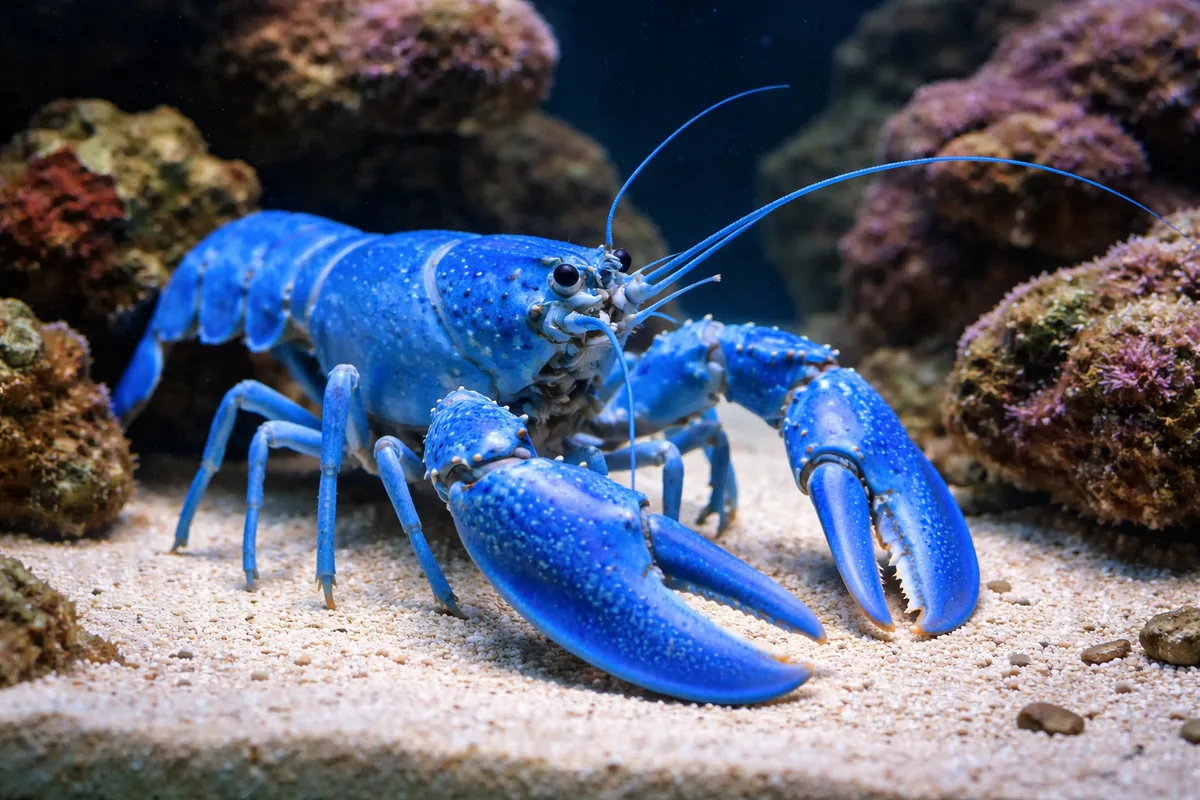
A rare blue lobster — a 1 in 2 million genetic mutation that has become an internet sensation
This trend has driven a surge of interest in keeping lobsters as pets, but it comes with a warning: impulse-buying a lobster because of a viral video is a recipe for disaster. These animals require specialized marine aquarium setups costing over $1,000, and they can live for decades.
Ethical Considerations in 2026
The growing popularity of pet lobsters has raised important ethical questions:
- Wild-caught vs captive-bred: Most pet lobsters are wild-caught. The reef lobster trade can impact wild populations if not sustainably managed
- Grocery store rescues: While well-intentioned, buying lobsters from grocery stores to "rescue" them creates demand and encourages more harvesting
- Proper commitment: A lobster that can live 30+ years is a serious commitment — longer than most dogs or cats
- Release prohibitions: Never release a pet lobster into the wild, as this can spread disease and disrupt local ecosystems
Responsible lobster ownership means purchasing from reputable marine aquarium dealers who source sustainably, and being fully prepared for decades of care.
The Pros and Cons of Lobster Ownership
Advantages of Pet Lobsters
- Longevity: 10-40 year lifespan with proper care
- Unique behavior: Fascinating to observe and interact with
- Low daily maintenance: Once established, routine care is minimal
- Educational value: Excellent for learning about marine ecosystems
- Conversation starter: Unique pet that generates interest
Challenges and Drawbacks
- High initial costs: $1,000-$3,000+ for proper setup
- Specialized care requirements: Complex water chemistry needs
- Aggressive behavior: Cannot be housed with most other species
- Limited interaction: Not suitable for handling or petting
- Molting vulnerability: Periods of extreme fragility
- Legal complications: Varying regulations and permit requirements
Species Spotlight: Popular Pet Lobster Varieties
Debelius Reef Lobster
The Debelius Reef Lobster remains the most popular choice for marine aquarium enthusiasts in 2026. These stunning purple and orange lobsters are relatively hardy and adapt well to aquarium life.
- Care level: Moderate
- Price range: $45-$80
- Compatibility: Best kept alone or with large, non-aggressive fish
- Special requirements: Plenty of hiding spots and caves
Crinoid Squat Lobster
The Crinoid Squat Lobster is perfect for smaller aquarium setups and peaceful community tanks. These delicate creatures require stable water conditions but are less aggressive than true lobsters.
- Care level: Advanced
- Price range: $35-$60
- Compatibility: Excellent for reef tanks with appropriate tankmates
- Special requirements: High water quality and gentle filtration
Frequently Asked Questions
How long do pet lobsters live?
Pet lobster lifespans vary significantly by species. Reef lobsters typically live 10-15 years, while cold-water species like American lobsters can live 30-40 years or more with proper care. The key factors affecting lifespan include water quality, diet, and stress levels.
Can lobsters be kept together in the same tank?
Most lobster species are territorial and aggressive toward their own kind. It's generally recommended to keep only one lobster per tank unless you have an extremely large setup (200+ gallons) with multiple hiding spots. Even then, fighting and cannibalism can occur.
What size tank do I need for a pet lobster?
Tank size requirements depend on the species. Small reef lobsters like the Crinoid Squat Lobster can thrive in 29-gallon tanks, while larger species require 40-120+ gallons. Always choose the largest tank possible to provide adequate swimming space and territory.
Are there legal restrictions on keeping pet lobsters?
Yes, legal restrictions vary by location and species. Many areas prohibit keeping native lobster species, require permits for exotic species, or have size and possession limits. Always check federal, state, and local regulations before acquiring a pet lobster.
How much does it cost to set up a lobster tank?
Initial setup costs range from $800-$3,000+ depending on tank size and species requirements. This includes the tank, filtration, lighting, live rock, and specialized equipment. Cold-water species require additional investment in chilling systems.
What do pet lobsters eat?
Pet lobsters require a varied diet including high-quality crustacean pellets, frozen brine shrimp, mysis shrimp, chopped fish, and marine algae. Calcium and iodine supplements are essential for proper molting and shell development.
How often do lobsters molt?
Molting frequency depends on age and species. Young lobsters may molt monthly, while adults typically molt 1-3 times per year. During molting, lobsters are extremely vulnerable and require pristine water conditions and minimal disturbance.
Can lobsters recognize their owners?
While lobsters have limited cognitive abilities compared to vertebrates, many owners report that their lobsters seem to recognize feeding times and may show less defensive behavior around familiar caretakers. However, they should never be handled directly.
What water parameters do lobsters need?
Marine lobsters require saltwater with specific gravity of 1.024-1.026, pH 8.1-8.4, and temperature ranges varying by species (45-60°F for cold-water, 72-78°F for tropical). Ammonia and nitrites must remain at zero, with nitrates below 20ppm.
Related: 5 Essential Questions to Ask Before Choosing a Removalist.
Are lobsters good pets for beginners?
Lobsters are generally not recommended for beginners due to their complex care requirements, expensive setup costs, and specialized needs. New aquarium hobbyists should gain experience with hardier marine species before attempting lobster care.