Key Features of eSIM Technology
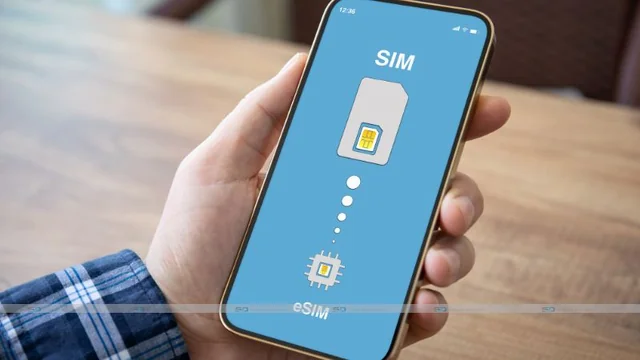
eSIM technology is a revolution in the realm of connectivity, offering users the ease of switching between mobile networks without the need to physically change SIM cards. With eSIM, consumers can enjoy the flexibility of managing multiple cellular plans on a single device. The compact design of eSIM eliminates the hassle of dealing with traditional SIM cards, making it a convenient option for modern-day users. The Integrated SIM concept takes this convenience to the next level, simplifying mobile communications across the globe.
Moreover, eSIM technology also enhances the security aspect of mobile communication by providing a robust authentication process. The remote provisioning feature of eSIM allows users to activate their cellular plan without the necessity of visiting a physical store, streamlining the set-up process. Additionally, eSIM offers improved resistance to physical damage, ensuring a reliable and durable option for users seeking a seamless mobile experience.
How eSIM Works in Indonesia
eSIM, or embedded SIM, technology in Indonesia operates by replacing the traditional physical SIM card with a programmable SIM that is built directly into a device. This electronic SIM card stores all necessary subscriber information and network profiles, allowing users to connect to mobile networks without needing a physical card. The activation of an eSIM involves scanning a QR code provided by the network operator or manually entering the activation details into the device settings.
Once the eSIM is activated, users can switch between multiple mobile networks seamlessly, without needing to physically swap SIM cards. This technology enables users in Indonesia to conveniently manage their mobile subscriptions and access different network services with ease. Additionally, eSIMs support remote provisioning, which allows users to download new network profiles over the air, providing flexibility and convenience in changing service providers without the hassle of obtaining and inserting a new physical SIM card. For those interested in leveraging this technology within Indonesia, the Global YO Indonesia eSIM offers a streamlined way to connect with local networks, ensuring that users enjoy uninterrupted service and the best of what eSIM technology has to offer.
Benefits of Using eSIM in Indonesia
eSIM technology offers numerous advantages for users in Indonesia. One of the key benefits is the convenience of being able to switch between different mobile carriers without needing to physically swap out a physical SIM card. This flexibility is especially useful for those who frequently travel or require different network services for work or personal use.
Moreover, eSIM provides a seamless and streamlined activation process, eliminating the need for manual setup and allowing users to easily add new plans or switch providers directly from their devices. This ease of use not only saves time but also reduces the hassle of dealing with traditional SIM cards, making it a convenient option for users in Indonesia looking for a more efficient mobile connectivity solution.
Comparison of Top eSIM Providers in Indonesia
In Indonesia, several top eSIM providers offer competitive services to cater to the growing demand for this technology. Provider A stands out with its extensive network coverage across the archipelago, providing seamless connectivity in both urban and rural areas. Their user-friendly app allows customers to manage their eSIM profiles effortlessly, making it a popular choice among tech-savvy consumers.
On the other hand, Provider B distinguishes itself by offering flexible eSIM plans that cater to a wide range of user needs. Their customer service team is known for being responsive and helpful, ensuring that users have a smooth experience with their eSIM services. Additionally, Provider B's partnership with various device manufacturers ensures that eSIM compatibility is widely supported, making it a convenient option for users with different devices.
Cost Analysis of eSIM Plans in Indonesia
When considering the cost analysis of eSIM plans in Indonesia, it's important to assess the pricing structures offered by various providers. Each provider may have different package options with varying rates and inclusions. Some plans may offer more data while others prioritize talk and text allowances. Prices can range depending on these factors, so consumers should weigh their usage needs against the cost to find the most suitable plan.
Moreover, additional fees such as activation charges or international roaming costs should also be taken into account when evaluating the overall expenses of an eSIM plan. In some cases, there may be promotional offers or discounts available that could affect the cost-effectiveness of a particular plan. It's advisable for users to thoroughly review the pricing details and terms and conditions of each eSIM plan to make an informed decision based on their budget and usage requirements.
Coverage and Network Reliability of eSIM in Indonesia
One of the key factors to consider when adopting eSIM technology in Indonesia is the coverage and network reliability offered by the various providers. With the rapid expansion of eSIM services in the country, users can expect good coverage in urban areas as well as in many rural regions. However, it is important to note that the network reliability of eSIM may vary depending on the specific provider and the location of the user.
In urban centers such as Jakarta, Surabaya, and Bandung, eSIM users generally experience strong network connectivity from major providers. However, in more remote areas or during peak times, some users may encounter network congestion and slower data speeds. It is advisable for eSIM users in Indonesia to research and compare the network coverage and reliability of different providers before choosing a plan to ensure a smooth and seamless user experience.
Customer Service and Support for eSIM Users in Indonesia
When it comes to customer service and support for eSIM users in Indonesia, having prompt and reliable assistance is crucial. Many eSIM providers have dedicated customer support teams that are available through various channels such as phone, email, or live chat. In case of any issues related to activation, data plans, or technical difficulties, being able to reach out to knowledgeable representatives can help users resolve their concerns efficiently.
Moreover, having access to FAQs, user guides, and troubleshooting resources can also empower eSIM users to troubleshoot common problems on their own. Clear and comprehensive documentation provided by eSIM providers can aid users in navigating the technology effectively and making the most out of their eSIM experience. In a fast-paced digital landscape, having robust customer service and support plays a pivotal role in ensuring a seamless and satisfying eSIM journey for users in Indonesia.
Compatibility of eSIM with Different Devices in Indonesia
One of the key advantages of eSIM technology is its compatibility with a wide range of devices in Indonesia. From smartphones to tablets, smartwatches to laptops, eSIMs can easily be integrated into various gadgets, allowing users to enjoy the convenience of a digital SIM card without the need for a physical one.
Major device manufacturers like Apple, Samsung, Google, and Huawei have embraced eSIM technology, making it more accessible to Indonesian consumers across different platforms. This compatibility ensures that users have the flexibility to switch between devices without having to swap out physical SIM cards, simplifying the user experience and enhancing connectivity on-the-go.
Tips for Choosing the Right eSIM Plan in Indonesia
Before selecting an eSIM plan in Indonesia, it is essential to assess your specific needs and usage patterns. Consider factors such as data requirement, call and text needs, as well as preferences for international roaming. By understanding your usage habits, you can narrow down the options and choose a plan that best suits your requirements.
Another crucial aspect to consider when choosing an eSIM plan in Indonesia is to evaluate the network coverage and reliability of the service provider. Ensure that the eSIM provider has strong coverage in the areas where you spend the most time to avoid connectivity issues. Additionally, look into the quality of the network and feedback from existing users to gauge the overall reliability of the eSIM service in different locations across Indonesia.
Future Trends of eSIM Technology in Indonesia
As the adoption of eSIM technology continues to grow in Indonesia, the future trends in this area are poised to bring about significant advancements. One such trend is the enhanced integration of eSIM capabilities into various Internet of Things (IoT) devices, allowing for seamless connectivity and improved functionality across a wide range of smart devices. This integration is expected to revolutionize the way Indonesian consumers interact with their gadgets, offering increased convenience and efficiency in managing multiple devices simultaneously.
Additionally, the future of eSIM technology in Indonesia is likely to see a rise in cross-border functionalities, enabling users to switch between different mobile operators seamlessly when traveling internationally. This development will cater to the needs of frequent travelers and global citizens, eliminating the hassle of purchasing new physical SIM cards or dealing with roaming charges. By embracing these future trends, Indonesia is set to experience a new era of connectivity and flexibility, setting the stage for a more streamlined and user-centric mobile experience.