Kalshi Suspended Three Congressional Candidates for Betting on Their Own Elections
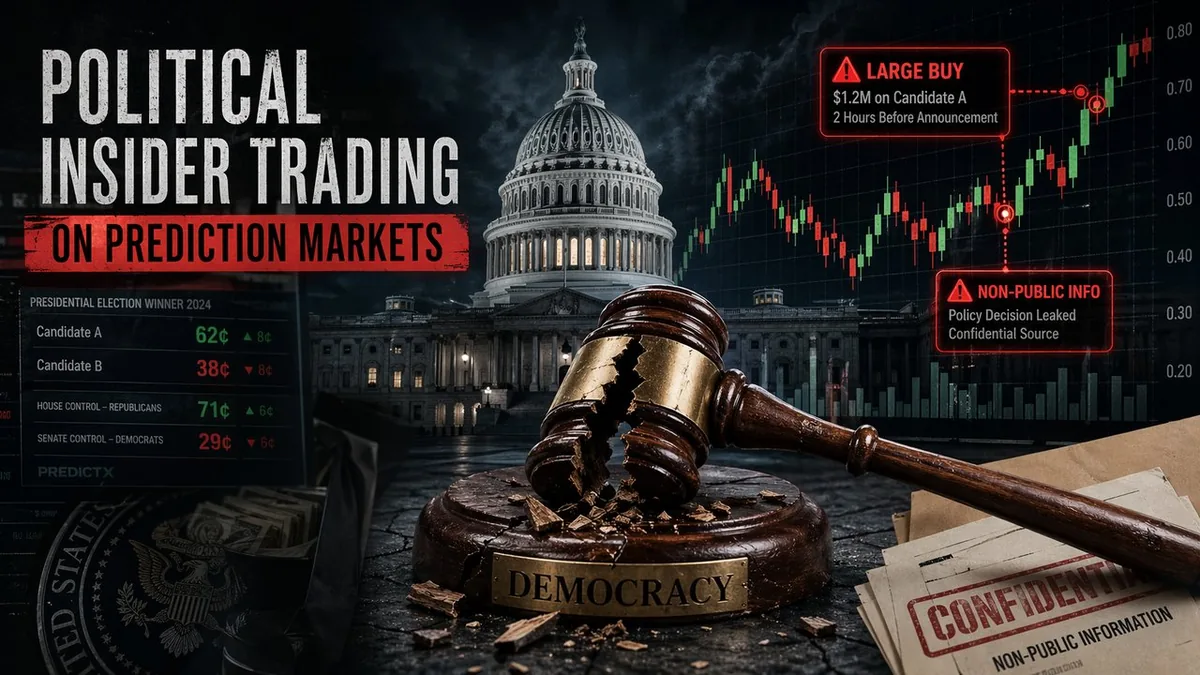
Prediction market platform Kalshi suspended three congressional candidates from Minnesota, Texas, and Virginia after catching them betting on their own election outcomes. This is exactly the insider trading problem that critics warned about when Kalshi won the legal right to offer political event contracts — and it happened almost immediately.
What's Actually Happening
The three candidates — whose names have not all been publicly disclosed — placed bets on Kalshi predicting their own electoral outcomes. Whether they bet on winning or losing their own races is part of what makes this murky. Either way, they had material non-public information about their campaigns, fundraising, polling, and ground operations that outside bettors did not have.
Kalshi identified the activity, suspended the accounts, and disclosed the incidents. The platform cooperated with relevant authorities and is implementing additional controls. It is, at minimum, a faster accountability response than most financial markets would produce.
Why It Matters
Kalshi spent years in legal battles to offer contracts on US political outcomes. The core argument against allowing these markets was always the same: political participants have asymmetric information, and allowing them to trade on that information is insider trading by another name. Three candidates proved the critics right within the platform's first major election cycle.
The question now is whether this is a fixable edge case or a fundamental design flaw. If prediction markets on elections inherently attract this kind of behavior, regulators may revisit the legal framework that allowed Kalshi to operate. The CFTC's decision to permit these contracts was controversial — incidents like this will be used as ammunition by those who want to reverse it.
My Take
Kalshi catching and suspending these candidates is actually the system working as intended — detection and consequences happened quickly. The bigger problem is that three candidates thought it was worth trying. That says something about the incentive structure: if you can make money off information you already have about your own campaign, some people will.
The fix is not complicated: Kalshi should ban all candidates, campaign staff, and party officials from holding positions in markets related to their own races. Whether they will do this proactively or wait for regulators to mandate it tells you a lot about their priorities.
Frequently Asked Questions
What is Kalshi? A CFTC-regulated prediction market platform that allows users to trade contracts on the outcome of real-world events, including elections.
Is betting on your own election illegal? It potentially constitutes insider trading under commodities law. The CFTC and DOJ involvement is still developing.
What happened to the suspended candidates? Their accounts were suspended. Whether criminal referrals follow depends on regulatory investigation outcomes.
Related Articles
- Justin Sun Is Suing Trump-Linked World Liberty Financial
- FTX's $200K Cursor Stake Now Worth $3 Billion