Is Telegram a Free Speech Hero or a Villain?
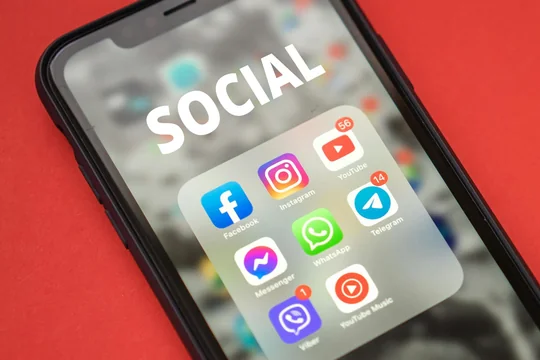
Telegram, a popular social media platform, has been under scrutiny for becoming a hub for illegal activities. With nearly 26,000 subscribers, the Telegram channel "Gun Shop America" is just one example of how the platform is used to sell illicit items like firearms, drugs, and cloned bank cards. The anonymity and privacy features of Telegram have turned it into a modern "dark web," attracting criminals and cyber hackers.
Telegram's Rise and Controversial Use
Originally designed as a privacy-focused alternative to mainstream social media, Telegram has grown from a niche messaging app to a major player in global communication, boasting 900 million monthly active users. Its founder, Pavel Durov, emphasizes the platform's role in providing a voice for people under repressive regimes. However, this freedom has also made Telegram a haven for illegal activities and misinformation.
The Platform's Criminal Activities
Experts in criminology and cybersecurity have tracked tens of thousands of Telegram groups involved in criminal activities. These range from fraud and drug sales to more severe crimes. Despite Telegram's efforts to moderate public content, the platform has been criticized for not doing enough to combat the spread of illegal activities and toxic content.
Telegram's Response and Challenges
Telegram argues that it actively moderates criminal activity on public parts of the platform and employs machine-learning software to flag illicit content. However, the effectiveness of these measures is questioned by experts who believe that the platform's approach to moderation is insufficient. The lack of comprehensive policing and moderation has raised concerns among potential investors and advertisers, who are wary of associating their brands with the platform's controversial content.
Durov's Stance and Telegram's Future
Pavel Durov, Telegram's founder, maintains that the platform does not compromise on privacy and free speech. He has taken steps to distance the platform from Russian influences and insists on keeping Telegram neutral, especially in geopolitical conflicts. Despite facing criticism, Durov plans to expand Telegram's services, including integrating ecommerce and crypto apps, aiming to reach a billion users in the near future.
However, as Telegram moves towards a potential market debut, it will need to address the growing concerns over its content moderation policies and its role in facilitating criminal activities. The platform's future success may hinge on finding a balance between upholding free speech and implementing effective measures to prevent misuse.
Finally, while Telegram serves as an important tool for free expression, especially in oppressive regimes, its misuse for criminal activities and propaganda poses significant challenges. The platform's approach to these issues will be crucial in determining its place in the global digital landscape.