What is a Lobotomy Piercing? The Viral TikTok Trend Explained
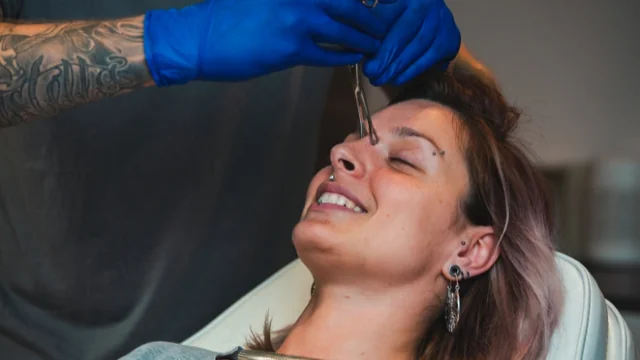
The term "lobotomy piercing" has exploded across TikTok and Instagram, leaving many wondering if it's a legitimate body modification or just another internet joke. The answer is somewhere in between—and understanding what this trend actually involves is essential before you walk into a piercing studio asking for one.
The Origin: Where Did "Lobotomy Piercing" Come From?
Unlike traditional piercing names that come from professional body modification terminology, "lobotomy piercing" emerged from TikTok's alt and emo communities around 2023-2024. The name references the now-banned neurosurgical procedure from the mid-20th century, playing into the dark humor aesthetic popular in alternative subcultures—think "live, laugh, lobotomy" memes and similar ironic content.
The trend gained traction when piercers and body modification enthusiasts started using the term, sometimes seriously and sometimes as a joke. Videos with hashtags like #lobotomypiercing and #lobotomy have accumulated millions of views, with content ranging from actual piercing procedures to comedic skits about wanting to "get a lobotomy at Claire's."
What Exactly is a Lobotomy Piercing?
Here's where things get murky. There's no standardized definition in the professional piercing community, and the term means different things to different people:
Interpretation 1: Upper Ear Industrial-Style Piercing Some piercers describe a lobotomy piercing as a horizontal barbell through the upper cartilage of the ear, similar to an industrial piercing but positioned differently. It passes through the flat or helix area, creating a bold statement piece.
Interpretation 2: Trans-Ear Piercing A more extreme interpretation involves a piercing that appears to go through the entire upper portion of the ear from one side to the other, using a long straight or curved barbell.
Interpretation 3: The Joke Version Many TikTok videos use "lobotomy piercing" humorously—one piercer even posted with the disclaimer: "brain piercings are not a real piercing option." In this context, it's more of an internet meme than an actual piercing type.
How Does It Compare to Standard Ear Piercings?
If you're interested in what the serious versions of this trend actually involve, here are the closest legitimate piercing types:
| Piercing Type | Location | Pain Level | Healing Time |
|---|---|---|---|
| Industrial | Two holes connected by one barbell | 6-7/10 | 6-12 months |
| Forward Helix | Upper ear cartilage near face | 5-6/10 | 4-9 months |
| Flat Piercing | Flat area below upper ear rim | 5-6/10 | 6-12 months |
| Conch | Center cartilage bowl | 5-7/10 | 6-12 months |
| "Lobotomy" (as described) | Upper cartilage, horizontal | 6-8/10 | 6-12 months |
Should You Get One?
Before asking your piercer for a "lobotomy piercing," consider these points:
Talk to Your Piercer First Since this isn't standardized terminology, bring reference images. Show your piercer exactly what you want rather than using a term that might confuse them. Professional piercers will assess your ear anatomy and recommend the best placement.
Anatomy Matters Not everyone has the ear structure for certain cartilage piercings. A skilled piercer will tell you if your anatomy supports the style you want. As one viral TikTok from a tattoo shop joked: "Everyone has the right anatomy for a lobotomy"—highlighting how this differs from piercings like industrials where anatomy genuinely limits options.
Consider the Name's Implications Some people find the reference to lobotomy—a procedure once used on vulnerable psychiatric patients—distasteful or triggering. If you're getting pierced, you might want to describe it differently to avoid awkward conversations.
The Procedure
If you find a piercer who understands what you want, here's what to expect:
Consultation A professional will examine your ear, discuss placement options, and explain risks. This is your opportunity to show reference images and clarify exactly what you're looking for.
Preparation The piercing area will be thoroughly cleaned and marked. You'll approve the placement before anything permanent happens.
The Piercing Using a sterilized hollow needle, the piercer creates the opening through your cartilage. Cartilage piercings are generally more painful than lobe piercings because the tissue is denser.
Jewelry Insertion A titanium or surgical steel barbell is typically used. Quality jewelry matters significantly for healing—avoid mystery metals at all costs.
Risks and Complications
Cartilage piercings carry higher risks than lobe piercings:
Infection Signs include excessive redness, warmth, swelling, yellow or green discharge, and fever. Seek medical attention if you notice these symptoms.
Cartilage Damage Improper technique or jewelry can cause permanent cartilage damage, including "cauliflower ear" deformation.
Migration and Rejection Your body may push the jewelry out over time, especially with surface-level placements. This can result in scarring.
Prolonged Healing Cartilage takes 6-12 months to heal fully. Changing jewelry too early, sleeping on it, or trauma can extend this timeline significantly.
Keloid Formation Some people are prone to raised scar tissue around piercings. If you have a history of keloids, discuss this with your piercer.
Aftercare Guidelines
Proper aftercare is non-negotiable for cartilage piercings:
Do:
- Clean twice daily with sterile saline solution (0.9% sodium chloride)
- Let water run over it in the shower
- Keep hair products, makeup, and perfume away from the area
- Sleep on the opposite side or use a travel pillow with a hole
- Leave the jewelry alone—no twisting or turning
Don't:
- Touch with unwashed hands
- Submerge in pools, hot tubs, or natural water for 6-8 weeks minimum
- Change jewelry before fully healed (usually 6+ months)
- Use alcohol, hydrogen peroxide, or harsh antiseptics
- Sleep directly on the piercing
Choosing the Right Piercer
This is arguably the most important factor in your experience:
Look For:
- APP (Association of Professional Piercers) membership or equivalent
- Portfolio showing healed cartilage work
- Sterile, professional environment
- Willingness to discuss your specific goals
- Use of implant-grade titanium or ASTM F-138 steel
Avoid:
- Piercing guns (never appropriate for cartilage)
- Studios that seem unclean
- Piercers who dismiss your questions
- Extremely cheap prices that seem too good to be true
The Bottom Line
"Lobotomy piercing" is primarily an internet phenomenon—a TikTok trend that's part legitimate piercing request and part alt-community humor. If you're genuinely interested in an upper ear cartilage piercing with a bold, industrial-style look, skip the meme name and have an honest conversation with a professional piercer about what you actually want.
Bring reference images, be open to their professional assessment of your anatomy, and focus on finding quality work rather than trendy terminology. Your ears—and your overall health—will thank you.
Frequently Asked Questions
Is a lobotomy piercing a real thing? It's a TikTok trend rather than official piercing terminology. Some piercers use it to describe upper ear cartilage piercings, while others treat it as a joke. When visiting a piercer, use reference images rather than this term.
How much does a lobotomy piercing cost? Cartilage piercings of this style typically range from $40-100 USD depending on your location, the studio's reputation, and jewelry quality. Higher prices often reflect better technique and materials.
Does a lobotomy piercing hurt? Cartilage piercings are generally more painful than lobe piercings, typically rated 6-8 out of 10. The sensation is brief, but healing tenderness can last weeks to months.
How long does it take to heal? Expect 6-12 months for full healing. Don't change jewelry or consider it "healed" based on appearance alone—cartilage heals from the outside in.
Can anyone get this type of piercing? Not necessarily. Your ear anatomy determines what piercings are possible. A professional piercer will assess whether your ear structure can support the specific style you want.
What jewelry is best for this piercing? Implant-grade titanium (ASTM F-136) or implant-grade steel (ASTM F-138) barbells are recommended. Avoid mystery metals, plated jewelry, or low-quality materials that can cause reactions.
Last Updated: December 2025
Disclaimer: This article is for informational purposes only and does not constitute medical advice. Always consult with a professional piercer and healthcare provider for personalized guidance.