Iran's Nuclear Poker: Why Geneva Talks Could Reshape Global Power
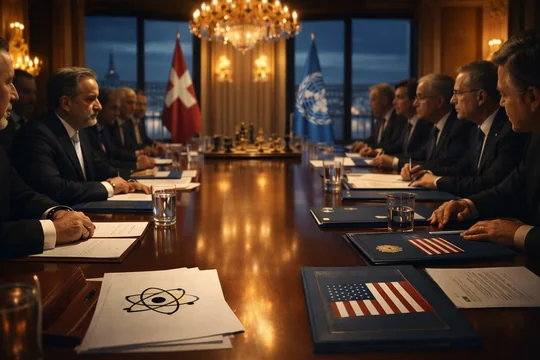
Iran Refuses to Bow: Second Round of Nuclear Talks Begin in Geneva
In a move that screams diplomatic chess, Iran's Foreign Minister Abbas Araghchi has landed in Geneva for the second round of indirect nuclear talks with the United States. His message? Crystal clear — "Bowing to threats is NOT on the table."
This isn't just diplomatic posturing. It's a calculated signal to Washington, the IAEA, and every Middle Eastern power watching from the sidelines. Iran knows exactly what cards it holds, and it's playing them with surgical precision.
The Geneva Chessboard
Here's what makes these talks fascinating. On Monday, Araghchi meets IAEA Director General Rafael Grossi for what's being called "technical discussions" — diplomat-speak for intense negotiations over Iran's nuclear monitoring and compliance. On Tuesday, the real drama unfolds: indirect US-Iran talks mediated by Oman.
Why indirect? Because neither side wants to be seen sitting across the table from the other. It's diplomacy through a mirror — both sides talking, neither side admitting they need the other.
The Nuclear Math That Terrifies Washington
Here's the number that keeps Pentagon officials awake at night: 60%. That's Iran's current uranium enrichment level — dangerously close to the 90% weapons-grade threshold. The Trump administration's position? Zero enrichment. Not reduced enrichment, not monitored enrichment — zero.
To underscore this stance, the USS Gerald R. Ford aircraft carrier has been dispatched to the Middle East. Nothing says "we're serious" quite like parking a nuclear-powered floating city in someone's backyard.
Why This Matters Beyond the Headlines
The Iran-US nuclear standoff isn't happening in a vacuum. It's interconnected with oil prices, regional alliances, and the broader US pivot strategy. If these talks collapse, expect:
- Oil price volatility as Strait of Hormuz tensions escalate
- Saudi Arabia and UAE recalibrating their own nuclear ambitions
- India's energy security directly impacted — Iran remains a critical crude supplier
- China and Russia positioning themselves as alternative mediators
The Bottom Line
Iran's refusal to bow to pressure while simultaneously showing up at the negotiating table is the oldest play in the diplomatic handbook — and it works. The Geneva talks represent a narrow window where both sides can claim victory without either side losing face. Whether they seize that window or shatter it will determine the trajectory of Middle Eastern geopolitics for the next decade.
The world is watching Geneva. And Geneva is watching the clock tick.