Iran Threatens to Attack $30 Billion Stargate AI Data Center in Abu Dhabi
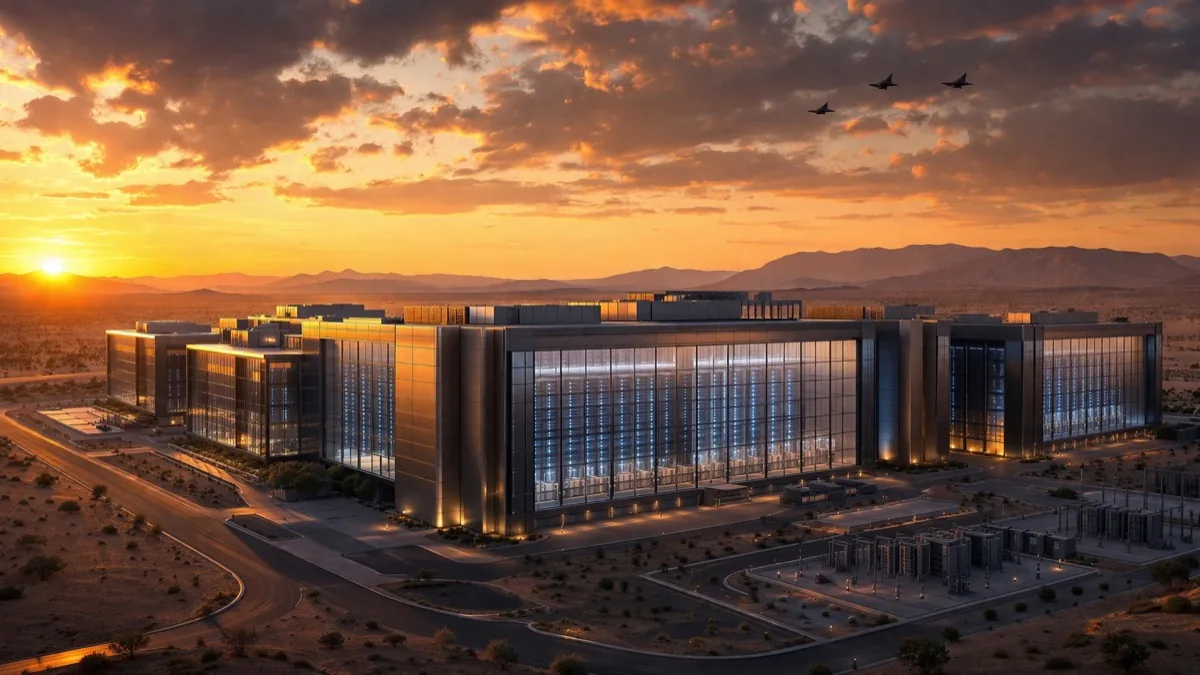
The geopolitical stakes around AI infrastructure just escalated dramatically. Iran has reportedly issued threats targeting the $30 billion Stargate AI data center being built in Abu Dhabi, according to US and UAE officials familiar with the situation. The development marks one of the most direct state-level threats against AI infrastructure in history.
What Is Stargate?
Stargate is a massive AI infrastructure initiative announced by the Trump administration in early 2025, backed by OpenAI, SoftBank, Oracle, and other major tech and investment players. The project aims to build hundreds of billions of dollars worth of AI data centers across the United States and internationally — with the Abu Dhabi facility being the first major international outpost.
The UAE partnership is significant. The Gulf state has positioned itself as a hub for AI investment, with sovereign wealth funds pouring billions into OpenAI, Anthropic, and other AI companies. The Abu Dhabi Stargate facility was intended to serve as a flagship international AI compute node — a critical piece of global AI infrastructure.
Iran's Threat
According to reports, Iranian officials have made statements — through intermediaries and directly — threatening to target the Abu Dhabi facility as part of broader geopolitical pressure on the UAE. Iran and the UAE have a complex and often tense relationship, particularly given the UAE's close ties to the United States and Israel.
The specific nature of the threats has not been fully disclosed publicly, but they are said to be serious enough that:
- US intelligence agencies have been briefed on the situation
- UAE security forces have increased protective measures around the construction site
- Project partners are reassessing security protocols and insurance arrangements
- US government officials are in dialogue with UAE counterparts about defensive posture
Why AI Infrastructure Is a Target
This is not the first time that AI data centers have been identified as strategic targets. As AI becomes central to military intelligence, economic competitiveness, and national security, the physical infrastructure underpinning it — power-hungry, land-intensive, and often concentrated in specific geographic locations — becomes an obvious point of vulnerability.
A single large AI training cluster can represent billions of dollars in capital investment and months of construction lead time. Destroying or disabling such a facility would have significant economic and strategic consequences for the nation that depends on it — making these sites analogous to military assets in strategic terms.
The UAE's Strategic Bet
The UAE has invested heavily in becoming an AI hub, partly to diversify away from oil dependency and partly to position itself as an indispensable partner to both Western and Chinese tech ecosystems. The Stargate partnership was a major win for Abu Dhabi. Iran's threats put that strategic ambition at risk.
The UAE already faces regional threats from Iran-backed groups — the Houthi attacks on UAE territory in 2022 demonstrated that Gulf states are not immune to Iranian proxy warfare. A direct or indirect attack on a major US-linked AI facility in Abu Dhabi would represent a significant escalation.
Implications for Global AI Infrastructure
The situation raises a question that the AI industry hasn't fully confronted: where do you build critical AI infrastructure when everywhere has geopolitical risk?
The US faces power grid constraints and regulatory delays. Europe has legal and sovereignty concerns. Southeast Asia has growing appeal but proximity to China is a risk. The Middle East offered capital and land — but now faces security threats. There may be no neutral ground for the world's most important compute infrastructure.
The Stargate-Iran standoff may force the AI industry and governments to treat data centers with the same security seriousness as military installations — changing how, where, and at what cost future AI infrastructure gets built.