Iran Seizes a Ship Suspected of Cooperating With the US Military
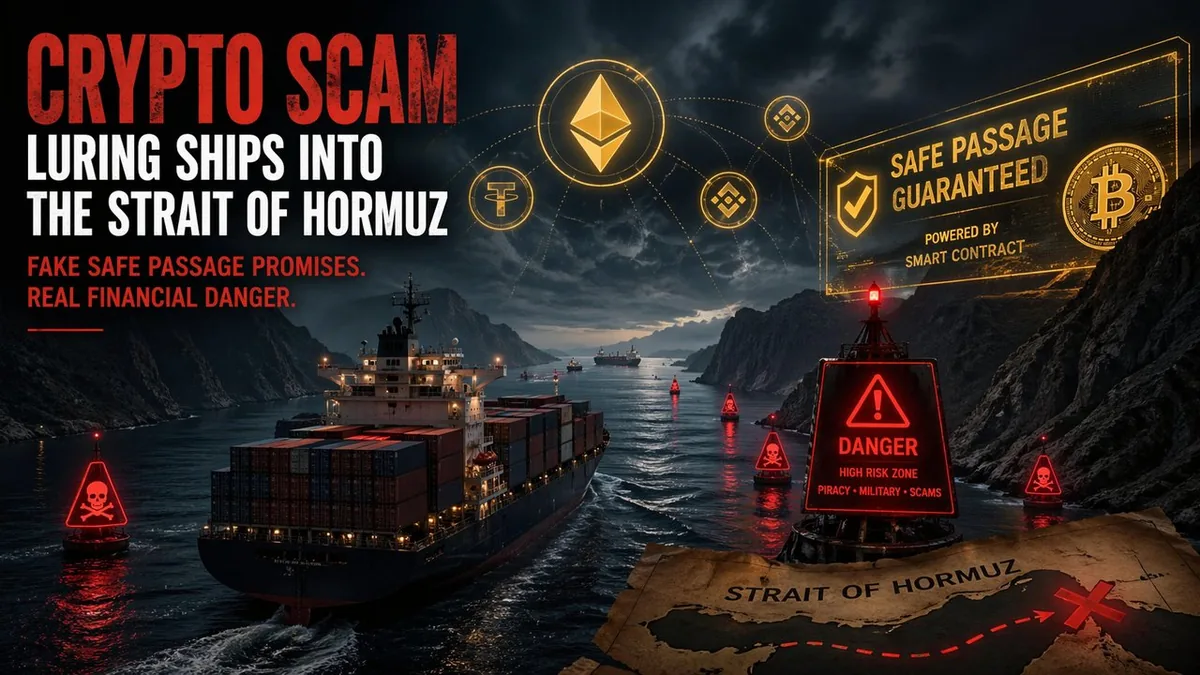
Iran's military has seized a ship in the Persian Gulf, citing suspicion that the vessel was cooperating with the US military, according to Iran's Tasnim news agency. The seizure is the latest in a series of maritime escalations that have characterized the US-Iran conflict and adds to the pressure on global shipping through one of the world's most critical commercial chokepoints.
What Happened
Iranian military forces boarded and seized the vessel, which has not been fully identified in public reporting. The Tasnim agency, which is close to Iran's military establishment, reported the seizure citing cooperation with US forces as the justification. Whether the vessel was actually providing intelligence, logistical support, or some form of material assistance to US operations — or whether this is an Iran political signaling move — has not been independently confirmed.
Why the Strait of Hormuz Matters
Approximately 20% of global oil trade transits the Strait of Hormuz. Any escalation in maritime conflict in this region has immediate implications for energy prices globally, insurance costs for shipping companies, and the risk calculus for vessels operating in the area. Previous Iranian ship seizures have triggered significant insurance premium increases and route diversions that add cost and time to global supply chains.
The Timing and the Negotiations Context
The seizure comes just as Trump announced Iran is seeking talks and US envoys are being dispatched to Pakistan. This is a classic Iranian negotiating pattern: demonstrate military capability and willingness to escalate while simultaneously opening diplomatic channels. It creates leverage. The question is whether the US treats this as a reason to slow down talks or as a reason to accelerate them toward resolution.
My Take
Ship seizures are Iran's most consistent leverage tool in the Persian Gulf. Doing it at the same time as opening diplomatic talks is not contradictory — it's a negotiating tactic designed to ensure the talks happen on Iran's terms rather than from a position of perceived weakness. The US should not be surprised by this move, and shouldn't overreact to it.
The Bottom Line
Iran's ship seizure is a tactical escalation within a broader negotiating context. It raises maritime risk for another news cycle, but the more important development is whether the Pakistan talks proceed — and what comes out of them.