iPhone Gets NATO Classified Data Clearance Without Any Special Software — A First for Consumer Devices
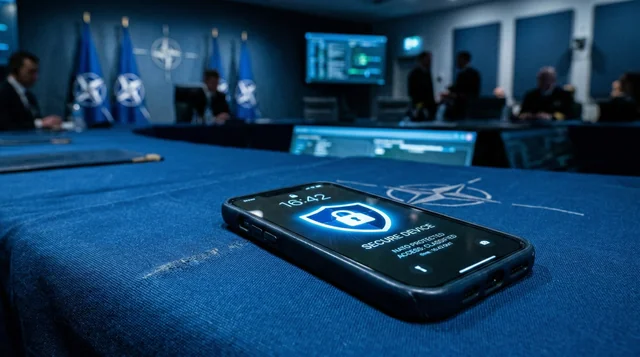
Apple just pulled off something no other consumer device maker has managed: getting the iPhone and iPad certified to handle classified NATO information. No special software. No custom firmware. Just stock iOS 26 and iPadOS 26 running the same security features you use to unlock your phone with your face.
What the NATO Certification Actually Means
Following an extensive evaluation by Germany's Federal Office for Information Security (BSI), iPhone and iPad are now approved for use with classified data up to the NATO Restricted level across all NATO nations. That's the first tier of classified information — not exactly nuclear launch codes, but still data that governments take seriously enough to require rigorous device certification.
The key detail that Apple is clearly proud of: this works with native iOS and iPadOS security features. No MDM overlays, no government-specific apps, no locked-down custom builds. The same encryption, Face ID, and Memory Integrity Enforcement that protects your photos apparently satisfies NATO's security requirements too.
The Security Stack That Convinced NATO
BSI didn't just rubber-stamp this. They conducted what Apple describes as "exhaustive technical assessments, comprehensive testing, and deep security analysis" of the platform. The features that passed muster include:
- Hardware-rooted encryption via Apple Silicon's Secure Enclave
- Face ID biometric authentication with anti-spoofing measures
- Memory Integrity Enforcement — Apple's defense against memory corruption exploits
- Secure Boot chain verifying every component from silicon to OS
The Bigger Picture: Consumer Tech Goes Military
This is a fascinating shift. Historically, government and military agencies required purpose-built, heavily modified devices for classified work. BlackBerry built an entire business around this. Samsung has its Knox platform specifically targeting government contracts. And here's Apple saying their consumer product — the same one your teenager uses to scroll TikTok — meets NATO's bar.
The skeptic's question is whether this says more about Apple's security or NATO's "Restricted" classification level. NATO Restricted is the lowest tier of classified information. It's important, but it's not the same as handling Secret or Top Secret material. Still, it's a certification no other consumer device has achieved, and that distinction matters in procurement decisions.
What This Means for Enterprise and Government Sales
The practical impact goes beyond bragging rights. Government agencies across NATO's 32 member nations can now deploy standard iPhones and iPads for classified work without the cost and complexity of specialized secure devices. That's a massive addressable market Apple just unlocked with a certification stamp rather than a new product.
For Android competitors — particularly Samsung, which has invested heavily in government security certifications through Knox — this sets a new benchmark. Apple achieved NATO compliance with their standard consumer platform, while competitors typically need additional security layers.
The Bottom Line
Apple's NATO certification is genuinely impressive from a security engineering perspective, even if the "Restricted" classification level tempers the headline somewhat. The real story isn't that iPhones can handle some classified documents — it's that Apple's consumer security architecture is now officially good enough for military use without modification. That's either a testament to how far consumer security has come, or a commentary on what "classified" means at the lower tiers. Probably both.