Intel Stock Surges 53% in 9 Sessions as Market Cap Tops $300 Billion on Turnaround Bets
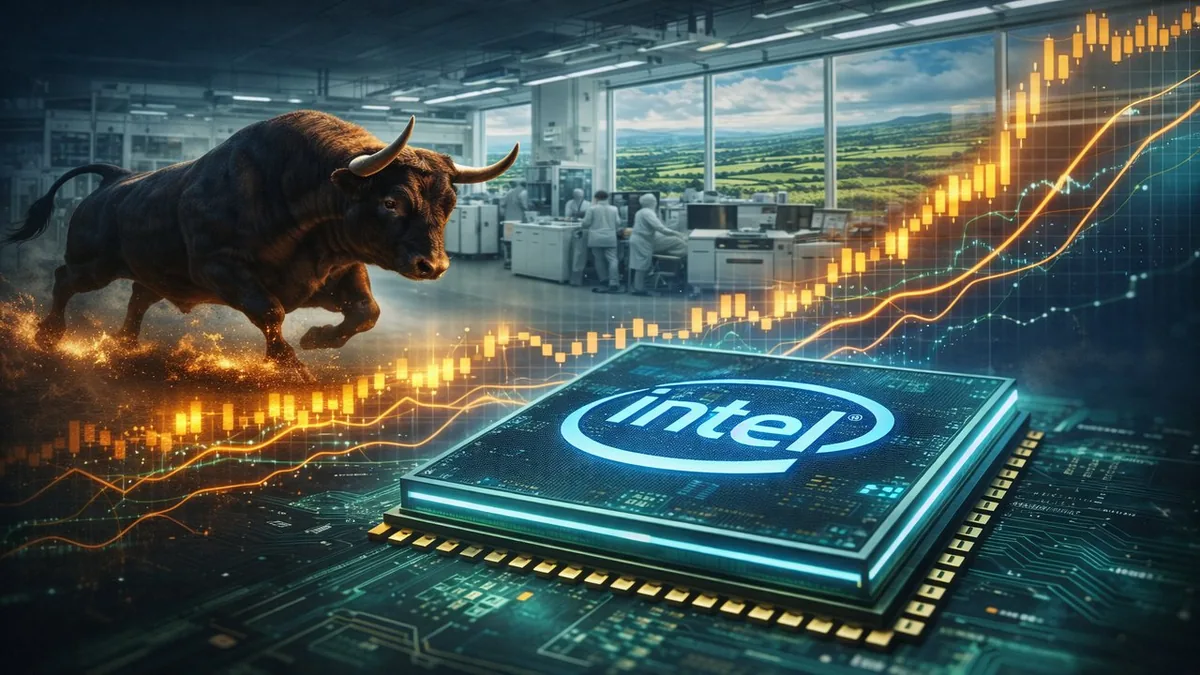
Intel's stock surged 53% over nine trading sessions, adding more than $100 billion in market capitalization and pushing the company past a $300 billion valuation, driven by investor enthusiasm for the company's plans to purchase an Ireland semiconductor fabrication facility and join the Terafab consortium — a major multinational semiconductor manufacturing initiative, Bloomberg reported. The rally represents one of the fastest large-cap recoveries in recent memory for a company that had seen its stock fall dramatically from its 2000 peak as TSMC and Samsung captured global semiconductor manufacturing leadership. The Ireland fab acquisition and Terafab participation signal Intel's renewed commitment to its foundry strategy under CEO Lip-Bu Tan.
What the Ireland Fab and Terafab Mean
Intel's plan to acquire an Ireland semiconductor fabrication facility builds on its existing Irish manufacturing presence — Intel has operated in Ireland since 1989 and its Leixlip campus is one of Europe's largest semiconductor manufacturing sites. The acquisition expands that capacity at a time when European semiconductor manufacturing is receiving significant government investment under the EU Chips Act, which aims to double Europe's share of global chip production to 20% by 2030. The Irish facility would give Intel additional advanced manufacturing capacity outside its US fabs, diversifying its geographic risk and potentially qualifying for EU semiconductor subsidies.
Terafab is a multinational semiconductor manufacturing consortium designed to pool resources and intellectual property for next-generation chip production. Intel's participation signals it intends to compete at the leading edge of process technology — the area where it lost ground to TSMC over the past decade. TSMC's Q1 2026 revenue of $35.6 billion demonstrates the scale Intel is competing against, but also the market opportunity if Intel can reclaim manufacturing leadership.
Can Intel Sustain the Rally?
A 53% stock surge in nine sessions is extraordinary but fragile — it reflects investor optimism about a strategic direction rather than demonstrated execution. Intel's foundry strategy has been articulated for several years; what moves markets now is evidence of concrete steps: the Ireland acquisition and Terafab participation are tangible commitments rather than roadmap slides. Whether the rally holds depends on Intel's ability to execute on advanced process node development, win external foundry customers, and compete with TSMC on yield and cost at leading-edge nodes — a multi-year execution challenge that the market is beginning to price in as achievable.
Frequently Asked Questions
Why did Intel stock surge 53%?
Intel's stock rose 53% in nine sessions on plans to acquire an Ireland semiconductor fab and join the Terafab multinational manufacturing consortium, signaling renewed commitment to its foundry strategy and advanced chip manufacturing.
What is Terafab?
Terafab is a multinational semiconductor manufacturing consortium designed to pool resources and intellectual property for next-generation chip production at leading-edge process nodes.
What is Intel's current market cap?
After the nine-session rally, Intel's market capitalization exceeded $300 billion, up from below $200 billion before the surge.
The Bottom Line
Intel's $100 billion market cap addition in nine sessions is the market pricing in the possibility — not certainty — that Intel's foundry comeback is real. The Ireland fab and Terafab moves are the most concrete signals yet that Intel is executing rather than just planning. For a company that spent years losing manufacturing leadership to TSMC while its stock languished, the rally reflects genuine investor belief that the turnaround is underway. Whether that belief is vindicated will depend on Intel's process technology execution over the next two to three years — a timeline that is long by Wall Street standards but short by semiconductor industry standards.