Best Inflatable Hot Tub: Complete Buying Guide & Top Picks for 2025
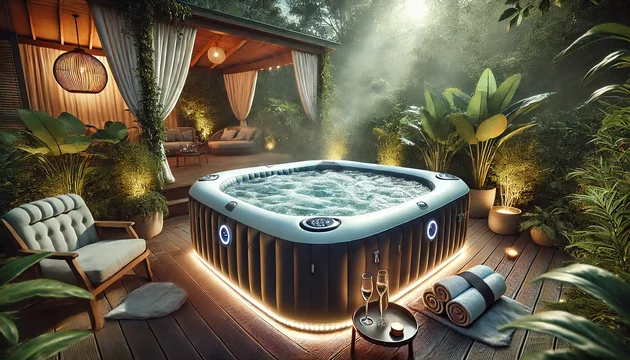
The Rise of Portable Spa Luxury
In recent years, the dream of owning a personal hot tub has become much more accessible thanks to inflatable models that combine affordability, convenience, and impressive features. Once considered a luxury reserved for the wealthy or those with ample outdoor space, the best inflatable hot tubs now offer a compelling alternative to permanent installations.
These portable hot tubs deliver many of the benefits of traditional spas"”relaxation, hydrotherapy, and social enjoyment"”without the permanent commitment or hefty price tag. Whether you're looking to soothe sore muscles after a long day, create a backyard retreat for entertaining, or simply enjoy the therapeutic benefits of warm, bubbling water year-round, today's top inflatable hot tubs provide impressive performance in a convenient package.
In this comprehensive guide, we'll explore everything you need to know about these affordable inflatable hot tubs"”from the key features to consider when shopping to maintenance requirements, energy efficiency considerations, and detailed reviews of the best models available in 2025. We'll help you navigate the growing market of portable spa options to find the perfect inflatable hot tub for your needs, space, and budget.
Why Choose an Inflatable Hot Tub?
Before diving into specific models and features, let's examine why inflatable hot tubs have become so popular and whether they might be the right choice for your lifestyle and needs.
The Advantages of Portable Spa Options
Affordability: Perhaps the most compelling reason to consider an inflatable spa tub is the significant cost savings compared to permanent installations. While traditional built-in hot tubs often start at $5,000 and can easily exceed $15,000 with installation, quality inflatable models typically range from $400 to $1,200"”making relaxation accessible on almost any budget.
Portability and Flexibility: Unlike their permanent counterparts, blow-up hot tubs can be emptied, deflated, and relocated whenever needed. This portable jacuzzi flexibility makes them ideal for:
- Renters who can't install permanent fixtures
- Homeowners who want seasonal use in different locations
- Those with limited space who need storage options
- Anyone planning to move in the foreseeable future
Easy Installation: Most inflatable hot tubs feature easy setup processes that require no specialized tools or professional assistance. The typical setup involves inflating the tub, connecting the pump unit, filling with water, and heating"”a process that generally takes 1-2 hours plus heating time.
Space Efficiency: Hot tubs for small spaces are a perfect solution for urban dwellings, compact yards, or even indoor use (with proper precautions). When not in use, they can be deflated and stored away, reclaiming valuable space.
Try Before Committing: For those considering a permanent hot tub eventually, starting with an inflatable model provides an opportunity to experience ownership without the long-term commitment and investment.
Potential Limitations
In the interest of providing balanced information, it's worth acknowledging some limitations of inflatable models compared to permanent installations:
Temperature Retention: While the best inflatable hot tubs feature insulated covers and walls, they generally don't retain heat as efficiently as built-in models, particularly in very cold climates.
Jet Power: The air jets in most inflatable models provide a pleasant bubbling sensation but typically offer less powerful hydrotherapy than the water jets in traditional spas.
Durability: With proper care, quality inflatable hot tubs can last 3-5+ years, but this is still shorter than the 10-20 year lifespan of permanent models.
Seating: Most inflatable tubs feature a cushioned floor rather than molded seating, which some users find less comfortable for extended use.
Despite these considerations, the value proposition of inflatable hot tubs remains strong for many consumers, particularly those prioritizing affordability, flexibility, and space efficiency.
Key Features to Consider
When shopping for the best inflatable hot tub for your needs, several key features will impact your overall satisfaction and experience. Understanding these factors will help you make an informed decision and find the model that best matches your priorities.
Construction and Material Quality
The durability of your inflatable hot tub directly correlates with the quality of materials used in its construction. The most common materials include:
PVC (Polyvinyl Chloride): This is the most commonly used material for entry-level models. Look for multi-ply PVC with reinforced construction for improved durability.
Rhino-Techâ„¢/FiberTechâ„¢: These proprietary materials (names vary by manufacturer) typically combine PVC with polyester or fabric layers to create puncture-resistant, durable hot tub walls that maintain their shape while providing comfort.
Drop-Stitch Construction: This premium construction technique creates thousands of internal threads that connect the inner and outer layers, allowing for increased rigidity and strength when inflated.
The best inflatable spas often feature multiple layers with different materials serving different functions"”for example, an inner PVC layer for water containment, a polyester mesh middle layer for structural integrity, and an outer leatherette or fabric-coated layer for aesthetics and additional protection.
Heating System and Temperature Range
The heating system is a crucial component that affects how quickly your tub reaches the desired temperature and how efficiently it maintains that heat:
Heating Power: Most residential inflatable hot tubs feature heaters ranging from 1,000 to 1,500 watts. Higher wattage typically means faster heating, though electrical requirements will also increase.
Temperature Range: Standard inflatable models typically heat up to 104°F (40°C), which is the maximum temperature recommended for safe hot tub use. Some economy models may have a lower maximum temperature.
Heating Rate: On average, inflatable hot tubs heat water at approximately 1-3°F per hour, meaning it could take 12-24 hours to reach maximum temperature from a cold fill. This varies based on:
- Ambient temperature
- Initial water temperature
- Insulation quality
- Heater power
Programmable Controls: Premium models offer digital controls with programmable timers that can activate the heater before planned use"”a valuable feature for regular users.
Jet System and Bubble Function
The jet system creates the therapeutic bubbling action that makes hot tubs so enjoyable:
Air Jets vs. Water Jets: Most inflatable hot tubs use air jet systems that pump air through small outlets around the tub's perimeter or floor, creating bubbles and gentle massage. Premium models may feature water jets that provide stronger, more directed massage action similar to traditional spas.
Jet Count: Entry-level models typically feature 100-120 air jets, while premium options may include 140-170+ jets. More jets generally create a more enveloping massage experience.
Bubble Settings: Look for multiple bubble intensity settings that allow you to customize the experience from gentle bubbling to vigorous massage.
Jet Placement: Consider whether jets are located around the perimeter, in the floor, or both, as this affects the massage experience in different seating positions.
Size and Capacity
Choosing the appropriate size is essential for both comfort and practical considerations:
Typical Capacity Options:
- 2-4 Person: Typically 60-71 inches in diameter, ideal for couples or small families
- 4-6 Person: Usually 71-77 inches in diameter, suitable for families or small gatherings
- 6-8 Person: Generally 77-85 inches in diameter, designed for larger groups and entertaining
Realistic Capacity: Manufacturer-stated capacities often represent maximum occupancy with minimal comfort. For relaxed seating with extended legs, reduce the stated capacity by 1-2 people.
Water Capacity: Consider the water volume (typically 200-300 gallons depending on size) both for filling logistics and weight concerns. A filled medium-sized inflatable hot tub can weigh over 2,000 pounds, so placement on appropriate surfaces is critical.
External Dimensions: Remember to account for the pump/heater unit, which typically extends 6-12 inches from the tub's edge, when planning your space requirements.
Energy Efficiency Improvement Strategies
Making your inflatable hot tub more energy-efficient can significantly reduce operating costs:
Insulation Enhancements:
- Add a floating thermal blanket beneath the cover to reduce heat loss from the water surface
- Place foam insulation boards around the exterior (especially in cold climates)
- Use a high-quality insulated ground mat beneath the tub
- Consider a thermal wrap specifically designed for inflatable hot tubs
Temperature Management:
- Reduce temperature by 3-4°F when not in use for several days
- Each degree lower saves approximately 5-10% in heating costs
- Use a programmable timer to raise temperature shortly before planned use
- In mild climates, consider using ambient temperature water without heating for refreshing summer use
Cover Discipline:
- Always secure the cover immediately after use
- Ensure cover seals properly without gaps
- Replace damaged or compressed covers that have lost insulation value
- Use cover locks to prevent heat loss from wind lifting the edges
Usage Optimization:
- Consolidate use to fewer, longer sessions rather than many short ones
- Schedule usage during off-peak electricity rate periods if available
- Limit jet operation to 15-20 minute sessions rather than continuous use
- Position tub in a location protected from prevailing winds
Maintenance for Efficiency:
- Clean filters regularly to ensure optimal water flow
- Remove debris from the heater intake
- Drain and refill with warmer tap water rather than cold in winter months
- Keep jet intakes clear for efficient operation
Energy-Efficient Inflatable Hot Tub Models
Some models are specifically designed with energy efficiency in mind. Look for these features when shopping:
Superior Insulation Materials: Multi-layered walls with foam or thermal barrier technology.
Digital Thermostats: Precise temperature control prevents energy waste from overheating.
Programmable Timers: Schedule heating cycles around your usage patterns.
Auto-Shutoff Features: Automatically power down jets after a set time period.
Heat-Lock Technology: Specialized systems that recapture heat generated by the motor.
Energy-Saving Modes: Dedicated settings that balance filtration and heating for optimal efficiency.
Seasonal Considerations
Inflatable hot tubs can provide enjoyment year-round, but each season presents unique considerations for optimal use and maintenance.
Summer Hot Tub Use
While many associate hot tubs with winter relaxation, summer use offers distinct benefits with proper adaptations:
Temperature Adjustments:
- Lower water temperature to 95-98°F (from typical 102-104°F)
- Some users enjoy temperatures as low as 85°F for refreshing summer soaking
- Consider ambient temperature soaking on extremely hot days
Sun Protection:
- Use a shade structure, umbrella, or gazebo to protect both tub materials and users
- Apply UV protectant to exposed tub surfaces quarterly
- Consider a solar cover that reflects UV rays while retaining some heat overnight
Enhanced Sanitization:
- Increase testing frequency to 3-4 times weekly due to higher temperatures promoting bacterial growth
- Maintain slightly higher sanitizer levels during peak summer heat
- Shock treat after heavy use, especially with multiple users
Unique Summer Benefits:
- Post-swimming muscle relaxation
- Evening use under the stars with lower ambient noise
- Therapeutic benefits without overheating in cooler water
Winter Operation Challenges and Solutions
Cold weather operation presents the greatest challenges but can provide the most rewarding hot tub experience:
Freeze Protection:
- Most quality inflatable hot tubs include freeze protection systems that automatically activate heating if water temperature approaches freezing
- Never turn power completely off during freezing temperatures if water remains in the system
- Consider adding RV antifreeze to plumbing if completely shutting down (follow manufacturer guidelines)
Enhanced Insulation:
- Critical for both function and efficiency in cold climates
- Add foam insulation panels around exterior
- Use multiple thermal barriers under the tub
- Consider a specialized winter jacket/cover designed for inflatable spas
Operation Modifications:
- Expect slower heating times (potentially 1-2°F per hour in very cold conditions)
- Higher electricity consumption is normal
- Limit jet operation time to prevent excessive cooling
- Keep cover secured during heating and immediately after use
Winter-Specific Considerations:
- Clear snow accumulation promptly to prevent cover damage
- Monitor for ice formation around fittings and connections
- Create a wind barrier if possible
- Consider a small waterproof thermometer to verify water temperature independently
Spring and Fall Transitional Periods
These moderate seasons often provide the ideal conditions for inflatable hot tub enjoyment:
Spring Preparation:
- If winterized, allow equipment to reach room temperature before setup
- Clean all components thoroughly before refilling
- Check for any damage from winter storage
- Update your chemical supply
Fall Preparation:
- Decide whether to operate through winter or winterize
- If continuing use, implement winter efficiency measures before temperatures drop
- If winterizing, schedule final use and cleaning before freezing temperatures arrive
- Stock up on supplies if continuing year-round operation
Optimal Conditions:
- Moderate ambient temperatures reduce heating costs
- Less competition for electricity within household
- Often coincides with increased physical activity and associated muscle soreness
- Pleasant temperature contrast without extreme cold
Accessories to Enhance Your Experience
The right accessories can significantly improve comfort, convenience, and enjoyment of your inflatable hot tub.
Essential Accessories
These fundamental additions provide significant practical benefits:
Insulated Ground Mat: Provides additional insulation, protects the tub bottom, and offers comfort underfoot. Available in various sizes and thicknesses.
Steps/Entry System: Improves safety and convenience, particularly for elderly users or children. Look for non-slip surfaces and adequate weight capacity.
Filter Cartridge Multi-Pack: Having replacement filters on hand ensures continuous operation without interruption for cleaning. Most models use standardized sizes.
Floating Chemical Dispenser: Maintains consistent sanitizer levels and protects the tub interior from direct contact with concentrated chemicals.
Water Test Strips: Allow frequent monitoring of chemical levels for safety and equipment protection. Digital testers provide more accurate readings.
Cover Lifter/Holder: While traditional cover lifters don't work with most inflatable models, specialized holders keep the cover clean and accessible during use.
Comfort Enhancements
Improve the relaxation experience with these comfort-focused additions:
Inflatable Headrests: Provide neck and head support for extended soaking sessions. Look for models with secure attachment methods.
Seat Cushions: Add comfort and elevation, particularly beneficial in deeper tubs. Some feature built-in jets for targeted massage.
Cup Holders and Trays: Keep beverages and personal items within reach and away from water. Floating versions maximize space.
LED Lighting: Submersible, floating, or perimeter lighting enhances ambiance for evening use. Many offer color-changing capabilities and remote control.
Bluetooth Speakers: Water-resistant audio systems designed specifically for hot tub environments provide entertainment without risking standard electronics.
Maintenance Helpers
These accessories simplify care and maintenance routines:
Specialized Vacuum: Removes debris without draining. Rechargeable battery-powered models offer convenience.
Cover Cap/Dome: Provides additional insulation and protection for the cover itself, extending its life and efficiency.
Surface Cleaner: Non-abrasive formulations specifically designed for spa materials remove waterline buildup without damaging surfaces.
Digital Floating Thermometer: Provides independent temperature verification separate from the tub's internal sensors.
Spa Shock Treatment: Oxidizes contaminants not removed by primary sanitizers. Non-chlorine versions allow quicker re-entry.
Fun and Entertainment
Enhance the social aspect of hot tub gatherings:
Floating Drink Caddy: Keeps refreshments secure and accessible for multiple users.
Waterproof Playing Cards: Enable classic card games without worry about water damage.
Floating Game Boards: From chess to backgammon, waterproof versions of popular games add entertainment.
Waterproof Tablet/Phone Cases: Allow streaming media or music control while keeping devices safe.
Mood Lighting Packages: Beyond basic LED systems, advanced lighting creates immersive experiences with synchronized patterns.
FAQ: Common Questions About Inflatable Hot Tubs
Purchase and Setup Questions
Q: How long do inflatable hot tubs typically last? A: With proper care and maintenance, quality inflatable hot tubs typically last 3-5 years. Premium models with reinforced construction may last 5-7+ years. The pump/heater component often determines the overall lifespan.
Q: Can I use an inflatable hot tub indoors? A: Yes, with proper precautions. Requirements include adequate ventilation to manage humidity, waterproof flooring with drainage capability, proximity to an electrical outlet, and sufficient space including access for filling/emptying. Consider potential water damage risks and increased indoor humidity.
Q: Do I need special electrical installation? A: Most standard inflatable hot tubs operate on a regular 110-120V/15A household outlet with ground fault circuit interrupter (GFCI) protection. Premium models with more powerful heaters or water jets may require 220-240V service, similar to permanent hot tubs. Always verify the specific requirements before purchase.
Q: How difficult is it to move an inflatable hot tub once filled? A: Moving a filled inflatable hot tub is not recommended. Even small models weigh 2,000+ pounds when filled with water. Always drain completely before repositioning. For seasonal location changes, the portable nature of deflated tubs is a major advantage.
Performance Questions
Q: How hot do inflatable hot tubs get? A: Most inflatable hot tubs heat water to a maximum of 104°F (40°C), which is the same maximum temperature as permanent hot tubs and is regulated for safety reasons. Some economy models may have lower maximum temperatures around 100-102°F.
Q: How long does it take to heat up? A: Initial heating typically takes 12-24 hours depending on starting water temperature, ambient temperature, and tub size. Most inflatable hot tubs heat at a rate of 1-3°F per hour. Using warmer tap water for the initial fill significantly reduces startup time.
Q: Can inflatable hot tubs be used in winter? A: Many quality models can operate in temperatures down to 40°F, but efficiency decreases significantly. Below 40°F, operation becomes challenging without additional insulation. Some premium models feature enhanced insulation and freeze protection systems specifically designed for cold weather use.
Q: How do the jets compare to traditional hot tubs? A: Most inflatable hot tubs use air jets that push ambient air through the water, creating bubbling action. This differs from the water jets in permanent tubs that provide more powerful, directed massage. Premium inflatable models may include a limited number of water jets for enhanced massage, but typically with less pressure than permanent installations.
Maintenance and Operation Questions
Q: How much does it cost to run an inflatable hot tub? A: Monthly electricity costs typically range from $20-$150 depending on climate, usage, and local utility rates. Warmer climates and energy-efficient models represent the lower end of this range, while winter operation in cold climates represents the higher end.
Q: How often should I change the water? A: Generally every 1-3 months depending on usage frequency, number of users, and effectiveness of your chemical maintenance routine. With heavy use, change water every 3-4 weeks. Even with light use, change at least quarterly.
Q: Can I use the same chemicals as regular hot tubs? A: Yes, standard hot tub chemicals work for inflatable models. However, always verify compatibility with your specific tub materials, especially for non-chlorine alternatives. Some manufacturers recommend specific chemical brands or formulations.
Q: How difficult is winterization? A: The process typically takes 1-2 hours and involves draining water completely, drying all components, applying protectant as recommended, properly deflating, and storing in a temperature-controlled environment. Most manufacturers provide specific winterization instructions for their models.
Safety Questions
Q: Are inflatable hot tubs safe for children? A: Most manufacturers recommend against use by children under 5 years old. Children between 5-14 should always be supervised. Maximum water temperature recommendations are lower for children (typically 98°F maximum). Never allow submersion of the head or horseplay in any hot tub.
Q: How long can you safely stay in an inflatable hot tub? A: Generally, 15-30 minutes per session is recommended, with breaks between sessions. Factors affecting safe duration include water temperature, user age, health conditions, pregnancy, and alcohol consumption. Always exit if feeling dizzy, nauseous, or excessively sleepy.
Q: Can pregnant women use inflatable hot tubs? A: Most medical professionals recommend against hot tub use during pregnancy due to elevated body temperature concerns. If used, limit water temperature to below 100°F and restrict sessions to 10 minutes with physician approval.
Q: Is it safe to use in the rain or during thunderstorms? A: While most inflatable hot tubs are designed for outdoor use and can safely operate during light rain, always exit and cover during thunderstorms due to lightning risk. Never use electrical components with wet hands or during heavy precipitation.
Conclusion: Making Your Final Decision
After exploring the various aspects of inflatable hot tubs"”from features and models to maintenance and accessories"”you're now equipped to make an informed decision about which model best suits your needs, space, and budget.
Summarizing Key Purchase Considerations
When making your final selection, prioritize these critical factors:
Quality and Durability: Invest in the best construction quality your budget allows, particularly focusing on material thickness, seam construction, and pump reliability. A slightly higher initial investment often translates to significantly longer lifespan and better performance.
Size and Capacity: Be realistic about your typical usage patterns rather than maximum capacity. A slightly larger model provides more comfort for regular users, while overly large tubs waste energy and chemicals if rarely filled to capacity.
Feature Prioritization: Identify must-have features versus nice-to-have additions. Heating capacity, jet quality, and insulation typically impact satisfaction more than aesthetic elements or tech gadgets.
Climate Suitability: Your local climate should heavily influence your selection. Users in cold regions should prioritize insulation and heating power, while those in warm climates might focus more on cooling capabilities and UV resistance.
Space Planning: Confirm your selected location can accommodate not just the tub dimensions but also access space, electrical requirements, and structural support for the filled weight.
Long-Term Value Assessment
Consider the total ownership cost rather than just the initial purchase price:
Energy Efficiency Return: Higher-priced energy-efficient models often recover their premium through reduced operating costs, especially in extreme climates or with frequent use.
Warranty Coverage: Compare warranty terms beyond just duration"”what's covered, exclusions, and customer service reputation can significantly impact long-term satisfaction.
Replacement Part Availability: Research availability and cost of common replacement items like filters, pump components, and cover replacements before committing to a specific brand or model.
Resale Value: Quality brands with strong reputations typically retain better resale value should your needs change.
Final Recommendations
For Budget-Conscious Buyers: The Coleman SaluSpa Bahamas provides exceptional value with solid performance and durability at an entry-level price point. Prioritize core functionality over extra features when working within strict budget constraints.
For Maximum Comfort: The Intex PureSpa Plus Bubble Massage combines generous dimensions, ample jet count, and quality construction to deliver a premium relaxation experience that approaches traditional spa comfort.
For Year-Round Use: The Bestway Helsinki AirJet with its superior insulation, freeze protection technology, and durable construction stands out for those planning four-season enjoyment, particularly in variable climates.
For Therapeutic Benefits: The Intex PureSpa Jet & Bubble Deluxe offers the closest experience to traditional hot tubs with its combination of air bubbles and directed water jets, making it ideal for those seeking specific muscle therapy.
For Small Spaces: The Bestway SaluSpa Miami delivers quality performance in a compact footprint, perfect for urban dwellers, small decks, or those wanting occasional use without dedicating permanent space.
The Intangible Benefits
Beyond the technical specifications and practical considerations, remember the lifestyle enhancements that a quality inflatable hot tub provides:
Wellness Benefits: Regular hydrotherapy sessions can improve sleep quality, reduce stress, ease muscle tension, and provide natural pain relief for many users.
Social Connection: Hot tubs create natural gathering spaces for quality time with family and friends away from screens and distractions.
Home Retreat: Creating a dedicated relaxation space transforms everyday routines into mini-vacations without leaving home.
Seasonal Enjoyment: Experience your outdoor space in new ways across seasons, extending outdoor living comfort into cooler months.
By carefully considering your specific needs, space constraints, and intended use patterns, you can select an inflatable hot tub that provides years of enjoyment, relaxation, and therapeutic benefits. The best inflatable hot tub is ultimately the one that integrates seamlessly into your lifestyle while delivering consistent performance and satisfaction.
References and Additional Resources
Manufacturer Websites
- Intex Recreation Corp: www.intexcorp.com
- Bestway Corporation: www.bestwaycorp.com
- Coleman Company (SaluSpa): www.coleman.com
- Aquarest Spas: www.aquarestspas.com
Hot Tub Associations and Safety Organizations
- Association of Pool & Spa Professionals: www.apsp.org
- U.S. Consumer Product Safety Commission (Hot Tub Safety): www.cpsc.gov
- National Swimming Pool Foundation: www.nspf.org
Water Care Resources
- Centers for Disease Control and Prevention (Healthy Swimming): www.cdc.gov/healthywater/swimming
- Water Quality Association: www.wqa.org
Energy Efficiency Information
- ENERGY STAR Pool Pumps Information: www.energystar.gov
- U.S. Department of Energy (Home Water Heating): www.energy.gov
Remember that proper research, careful selection, and consistent maintenance will maximize your enjoyment of whichever inflatable hot tub you choose. Happy soaking! Efficiency and Insulation
Energy-efficient inflatable hot tubs will save money over time and provide a better user experience:
Insulated Base: A quality insulated base pad reduces heat loss through the bottom of the tub and provides additional comfort.
Insulated Cover: All quality inflatable hot tubs include an insulated cover to retain heat when not in use. Look for covers with tight seals, substantial insulation, and child safety locks.
Insulated Walls: Premium models feature air-insulated or foam-insulated walls that significantly improve heat retention, particularly in cooler climates.
Energy-Saving Modes: Some advanced models include energy-saving features like automatic temperature reduction during periods of non-use or programmable heating schedules.
Additional Features Worth Considering
Digital Controls: Look for intuitive, easily accessible control panels that allow for simple temperature adjustment, jet control, and programming.
Integrated Filtration System: Quality filtration systems help maintain water clarity and reduce chemical requirements. Replaceable filter cartridges should be readily available.
Hard Water Treatment Systems: Some premium models include built-in water softening systems that reduce mineral buildup and extend the life of components.
LED Lighting: Integrated LED lighting adds ambiance for evening use and can enhance the overall experience.
Built-in Cup Holders/Trays: These small conveniences can significantly improve the user experience by providing places for drinks, phones, or other small items.
Cover Inflation System: Some models include automatic inflation systems for the insulating cover, adding convenience and ensuring proper inflation.
Freeze Protection System: For those planning winter use, automatic freeze protection systems prevent damage in unexpected temperature drops.
Top 10 Best Inflatable Hot Tubs for 2025
After extensive research and testing, we've identified the top inflatable hot tubs currently available across various categories and price points. Each selection offers a unique combination of features, performance, and value to suit different needs and preferences.
1. Intex PureSpa Plus Bubble Massage Set
Best Overall Inflatable Hot Tub
Key Specifications:
- Capacity: 4-6 people
- Water Capacity: 210 gallons
- Jet Count: 140 air jets
- Maximum Temperature: 104°F
- Dimensions: 77" x 77" x 28"
- Heating Rate: ~2-3°F per hour
Why We Love It: The Intex PureSpa Plus consistently delivers exceptional performance across all key metrics. Its Fiber-Tech construction provides excellent structural integrity while maintaining comfort, and the 140 high-powered air jets create an immersive massage experience. The insulated cover and energy-efficient design help maintain temperature while minimizing operating costs. Setup typically takes under an hour, and the intuitive control panel makes operation straightforward for new users.
Considerations: While it's marketed as a 6-person tub, four adults is a more comfortable capacity for extended use. The pump can be slightly louder than some premium competitors.
Price Range: $$
2. Coleman SaluSpa Bahamas AirJet
Best Budget Inflatable Hot Tub
Key Specifications:
- Capacity: 2-4 people
- Water Capacity: 177 gallons
- Jet Count: 120 air jets
- Maximum Temperature: 104°F
- Dimensions: 71" x 71" x 26"
- Heating Rate: ~1.5-2°F per hour
Why We Love It: The Coleman SaluSpa Bahamas delivers impressive performance at an entry-level price point. Despite its affordable positioning, it doesn't compromise on essential features, offering 120 surrounding air jets, a rapid heating system, and durable TriTech 3-ply reinforced material. The smaller size makes it perfect for couples or small families, and its energy-efficient design helps keep operating costs reasonable.
Considerations: The smaller size limits capacity to 2-3 adults comfortably. The heating system works efficiently but is somewhat slower than premium models.
Price Range: $
3. Bestway SaluSpa Helsinki AirJet
Best for Cold Weather Use
Key Specifications:
- Capacity: 5-7 people
- Water Capacity: 297 gallons
- Jet Count: 180 air jets
- Maximum Temperature: 104°F
- Dimensions: 83" x 83" x 26"
- Heating Rate: ~2-3°F per hour
Why We Love It: The Helsinki model stands out as one of the best hot tubs for cold weather with its premium wood-look exterior and exceptional insulation properties. The FreezeSheild technology prevents internal component damage in lower temperatures, while the drop-stitch construction provides superior rigidity and durability. With 180 air jets, it offers one of the most comprehensive massage experiences available in an inflatable model.
Considerations: The larger size requires more water and energy to heat. Premium features come with a higher price tag than basic models.
Price Range: $$
4. Intex PureSpa Greywood Deluxe
Best Luxury Inflatable Hot Tub
Key Specifications:
- Capacity: 4-6 people
- Water Capacity: 210 gallons
- Jet Count: 140 air jets
- Maximum Temperature: 104°F
- Dimensions: 77" x 77" x 28"
- Heating Rate: ~2-3°F per hour
Why We Love It: For those seeking a premium inflatable spa experience, the Greywood Deluxe delivers with its sophisticated aesthetic and advanced features. The exterior features a realistic wood-grain print that elevates backyard decor, while the multi-color LED lighting system creates ambiance for evening use. Performance-wise, it includes all of Intex's top features: Fiber-Tech construction, efficient heating, and an intuitive control system.
Considerations: The premium features command a higher price point. Some users report that the wood-grain exterior, while attractive, may show wear more obviously than solid colors.
Price Range: $$
5. Coleman SaluSpa Hawaii AirJet
Best Square Inflatable Hot Tub
Key Specifications:
- Capacity: 4-6 people
- Water Capacity: 222 gallons
- Jet Count: 114 air jets
- Maximum Temperature: 104°F
- Dimensions: 71" x 71" x 28"
- Heating Rate: ~1.5-2°F per hour
Why We Love It: The square design of the Hawaii model offers several advantages over traditional round tubs: more efficient use of space, improved seating arrangements with defined corners, and better accommodation for taller users who can stretch out diagonally. The reinforced construction provides excellent stability, while the 114 air jets create an effective massage experience from all seating positions.
Considerations: The square shape, while space-efficient, tends to be slightly less energy-efficient than circular models due to increased surface area.
Price Range: $$
6. Bestway SaluSpa Miami AirJet
Best Compact Inflatable Hot Tub
Key Specifications:
- Capacity: 2-4 people
- Water Capacity: 177 gallons
- Jet Count: 120 air jets
- Maximum Temperature: 104°F
- Dimensions: 71" x 71" x 26"
- Heating Rate: ~1.5-2°F per hour
Why We Love It: Perfect for small spaces, the Miami model provides a quality hot tub experience with a minimal footprint. Ideal for patios, decks, or even indoor use, this compact model still delivers with 120 air jets, durable construction, and efficient operation. The reduced water capacity means faster heating and lower energy costs, making it economical for frequent use.
Considerations: The smaller size comfortably accommodates 2 adults or a maximum of 3-4 with limited space. Some users report wanting stronger jet pressure.
Price Range: $
7. Intex PureSpa Jet & Bubble Deluxe
Best Water Jet Inflatable Hot Tub
Key Specifications:
- Capacity: 4 people
- Water Capacity: 210 gallons
- Jet Count: 4 hydro jets + 120 air jets
- Maximum Temperature: 104°F
- Dimensions: 77" x 77" x 28"
- Heating Rate: ~2-3°F per hour
Why We Love It: This hybrid model offers the best of both worlds with 120 perimeter air jets for gentle, all-over bubbling plus 4 hydro jets that provide targeted, high-pressure massage"”a feature rarely found in inflatable models. This combination creates a therapeutic experience much closer to traditional permanent hot tubs. The hard water treatment system reduces calcium buildup, extending component life and improving water feel.
Considerations: The water jets require additional power, resulting in higher energy consumption. The jet pump creates more noise than air-only systems.
Price Range: $$
8. Coleman SaluSpa Atlantis AirJet
Best Family-Size Inflatable Hot Tub
Key Specifications:
- Capacity: 5-7 people
- Water Capacity: 295 gallons
- Jet Count: 180 air jets
- Maximum Temperature: 104°F
- Dimensions: 85" x 85" x 28"
- Heating Rate: ~1.5-2°F per hour
Why We Love It: Designed for larger gatherings and family use, the Atlantis model offers generous dimensions that comfortably accommodate 5+ adults. The reinforced PVC construction and I-beam internal structure provide exceptional stability"”important when accommodating multiple users. Despite its size, the power-saving timer allows for efficient operation by programming heating cycles around anticipated use times.
Considerations: The larger capacity means longer heating times and higher energy consumption. Filling and draining requires more time and water than smaller models.
Price Range: $$
9. Bestway SaluSpa Bali AirJet with LED Lights
Best Inflatable Hot Tub with Lighting Features
Key Specifications:
- Capacity: 4-6 people
- Water Capacity: 224 gallons
- Jet Count: 140 air jets
- Maximum Temperature: 104°F
- Dimensions: 77" x 77" x 26"
- Heating Rate: ~2°F per hour
Why We Love It: The Bali model enhances the relaxation experience with its integrated LED lighting system that cycles through 7 colors or can be set to a preferred shade. Beyond the impressive light show, it delivers solid performance with 140 air jets, efficient heating, and ChemConnect chemical dispenser for simplified water maintenance. The included ground cloth and reinforced cover add value and enhance efficiency.
Considerations: The lighting system, while atmospheric, does draw additional power. Some users report the lights being less bright than expected underwater.
Price Range: $$
10. Aquarest Spas Elite Premium 300
Best Energy-Efficient Inflatable Hot Tub
Key Specifications:
- Capacity: 4-6 people
- Water Capacity: 205 gallons
- Jet Count: 120 air jets
- Maximum Temperature: 104°F
- Dimensions: 79" x 79" x 28"
- Heating Rate: ~2-3°F per hour
Why We Love It: For efficiency-conscious users, the Aquarest Elite Premium stands out with its exceptional insulation properties and energy-saving design features. The double-insulated cover includes an aluminum foil radiant barrier that significantly reduces heat loss, while the insulated ground cloth and thermal blanket technology in the walls maintain temperature with minimal energy input. The programmable 72-hour filtration cycles provide convenience while optimizing power consumption.
Considerations: The focus on energy efficiency comes with a slightly higher upfront cost. The jet pressure is good but not as powerful as some comparable models.
Price Range: $$
Size and Capacity Guide
Selecting the appropriate size for your inflatable hot tub is crucial for both comfort and practical considerations. While manufacturers typically advertise tubs by maximum occupancy (e.g., "6-person hot tub"), these ratings often represent ideal conditions with minimal personal space.
Realistic Capacity Assessment
For comfortable use, especially for extended relaxation sessions, consider these guidelines:
| Advertised Capacity | Comfortable Capacity | Ideal For |
|---|---|---|
| 2-3 Person | 2 Adults | Couples, small spaces |
| 4 Person | 2-3 Adults | Couples with occasional guests |
| 5-6 Person | 3-4 Adults | Small families, regular entertaining |
| 7-8 Person | 5-6 Adults | Larger families, frequent entertaining |
Dimensional Considerations
Beyond occupancy, consider these physical dimensions when planning for your inflatable hot tub:
Diameter/Dimensions: Measure your intended location carefully, remembering to add 24" of clearance around all sides for access to controls and entry/exit space.
Height: Most inflatable hot tubs range from 24-28" in height. Consider accessibility needs, especially for elderly users or those with mobility concerns.
Water Depth: Typical water depth ranges from 20-24" when filled to recommended levels. Taller users may want to prioritize models with greater depth.
Filled Weight: This crucial but often overlooked factor affects placement options. A medium-sized (4-6 person) inflatable hot tub typically weighs:
- Empty: 65-85 lbs
- Filled with water: 2,200-2,500 lbs
- Filled with water + occupants: 3,000-3,500+ lbs
This substantial weight requires placement on reinforced surfaces like concrete pads, reinforced decks, or specialized spa pads.
Space-Saving Tips for Small Areas
If you're working with limited space but still want to enjoy the benefits of an inflatable hot tub:
- Consider Square Models: Square or rectangular tubs often optimize space better than round models, particularly when placed against walls or in corners.
- Look for Compact Features: Some models integrate the pump/heater unit more efficiently to reduce the overall footprint.
- Prioritize Vertical Space: In extremely limited areas, maximize vertical clearance (overhead space) to compensate for restricted floor space.
- Indoor Options: For year-round use in severe climates, basement, garage, or sunroom installation may be feasible with proper ventilation, drainage, and moisture protection.
Installation and Setup Tips
One of the major advantages of inflatable hot tubs is their relatively simple installation process. While each model has specific instructions, this general guide will help you prepare for and execute a smooth setup.
Preparation Checklist
Location Selection:
- Flat, level surface capable of supporting the filled weight (2,500+ lbs for medium tubs)
- Minimum of 24" clearance around all sides
- Within reach of a dedicated electrical outlet (typically 110-120V/15A)
- Protected from excessive sun, wind, and debris if possible
- Privacy considerations
- Proximity to water source for filling
- Drainage options for emptying
Surface Preparation:
- Concrete pads provide ideal support
- Specialized hot tub pads or interlocking foam tiles work well
- Reinforced decks (confirm weight capacity with builder)
- Never place directly on grass, dirt, or standard wooden decks without reinforcement
- Remove any sharp objects, clean thoroughly
Electrical Requirements:
- Dedicated circuit (usually 15A)
- GFCI protection (built into most tubs, but outlet should also be protected)
- No extension cords (fire hazard)
- Outdoor-rated outlet if applicable
- Consider placement to minimize trip hazards from cord
Step-by-Step Setup Process
While specific instructions vary by manufacturer, most inflatable hot tubs follow this general setup procedure:
- Unpack and Inspect: Lay out all components and verify nothing is missing or damaged.
- Spread Ground Cloth: Position the included protective ground cloth (or purchase one separately) on your prepared surface.
- Position Deflated Tub: Center the tub on the ground cloth, ensuring pump connection points are accessible to power source.
- Connect Inflation Hose: Attach the inflation adapter to the pump unit.
- Inflate Tub Structure: Most models feature automated inflation; simply press the designated button and monitor progress. Manual inflation takes 5-10 minutes.
- Install Filter Cartridge: Insert the filter cartridge into the designated housing within the pump unit.
- Connect Pump Unit: If not already attached, connect the pump/heater unit to the tub via the designated fittings.
- Fill With Water: Using a standard garden hose, fill to the indicated line (usually 80% capacity to allow for displacement when occupants enter).
- Install Chemical Floater/Dispenser: If included, place the chemical dispenser in the water with appropriate sanitizers.
- Power On and Heat: Activate the heater and set desired temperature. Initial heating typically takes 12-24 hours depending on starting water temperature and ambient conditions.
- Secure Cover: While heating, secure the insulated cover to accelerate the process and prevent debris from entering.
Common Setup Challenges and Solutions
Challenge: Uneven Inflation Solution: Ensure proper ambient temperature (50-90°F ideal for setup). Too cold and materials may not expand properly; too hot and over-inflation risk increases.
Challenge: Leaks During Inflation Solution: Verify no debris is caught in seams during setup. For minor leaks, use included repair patches after identifying the exact location with soapy water.
Challenge: Slow Heating Solution: Cover tub during initial heating. Consider using an insulating barrier beneath the ground cloth. Fill with warm water if possible to reduce initial heating time.
Challenge: Trip Circuit Breaker Solution: Ensure no other high-draw appliances share the circuit. Verify pump unit is the only device connected to the outlet.
Challenge: Difficult Water Connection Solution: For tight connection points, apply a minimal amount of silicone lubricant to gaskets (verify this doesn't void warranty first).
Pro Tip: Consider heating costs when deciding when to fill your tub. In colder months, the initial heating period consumes the most electricity; plan to fill and heat during off-peak utility hours if your electricity provider charges variable rates.
Maintenance and Care
Proper maintenance is crucial for keeping your inflatable hot tub clean, safe, and functioning optimally. Following a consistent care routine will extend the life of your tub and ensure a pleasant experience every time you use it.
Water Maintenance Basics
Maintaining proper water chemistry is essential for both equipment longevity and user health. Here's a simplified approach:
Testing: Use test strips 2-3 times weekly to monitor:
- pH level: Maintain between 7.2-7.8
- Sanitizer level (chlorine or bromine)
- Total alkalinity: Aim for 80-120 ppm
- Calcium hardness: 100-250 ppm ideal
Sanitizing Options:
- Chlorine: The most common and economical option. Aim for 3-5 ppm.
- Bromine: Gentler on skin and effective at higher temperatures. Maintain 3-5 ppm.
- Mineral Systems: Reduces chemical usage by supplementing with mineral purifiers.
Shock Treatment: Apply non-chlorine shock weekly or after heavy use to eliminate contaminants and restore water clarity.
Chemical Addition Tips:
- Always add chemicals with the jets running for proper distribution
- Never mix different chemicals together before adding to water
- Wait 15-30 minutes between adding different chemicals
- Add chemicals at least 2 hours before use
Filtration System Maintenance
The filtration system prevents debris from circulating and keeps water clear:
Filter Cleaning Schedule:
- Rinse filters with clean water every 2-3 days during regular use
- Deep clean weekly by soaking overnight in filter cleaner solution
- Replace filters every 1-3 months depending on usage (or per manufacturer guidelines)
Circulation Settings:
- Run filtration system at least 4-6 hours daily
- Increase during heavy use periods
- Some models allow programming specific filtration schedules
Cleaning and Protecting the Tub Structure
Maintaining the physical components extends the lifespan of your investment:
Surface Cleaning:
- Wipe down interior surfaces above the waterline weekly
- Use non-abrasive cleaners specifically formulated for spa materials
- Avoid household cleaners that can cause foaming or damage spa components
Cover Care:
- Clean the underside monthly with mild soap and water
- Treat the exterior with UV protectant quarterly
- Remove snow or standing water promptly to prevent damage
- Allow to air dry completely before folding for storage
Pump/Heater Unit:
- Inspect intake screens weekly to remove debris
- Keep vents clear for proper airflow
- Protect from extreme elements with a weatherproof cover if permanently installed outdoors
Draining and Refilling Procedures
Regular water changes maintain water quality and system performance:
Draining Schedule:
- Complete water change every 1-3 months depending on usage
- More frequently with heavy use or multiple users
- At minimum, quarterly regardless of use
Draining Process:
- Turn off and unplug all electrical components
- Connect garden hose to drain valve or use submersible pump
- Direct water to appropriate drainage point (check local regulations regarding chemical treatment before drainage)
- Thoroughly clean all surfaces while empty
- Rinse completely to remove cleaning residue
Refilling Tips:
- Use a hose filter to reduce minerals and contaminants
- Fill to the indicated line (typically 4-6 inches below rim)
- Balance chemicals before heating to maximum temperature
- Run jets during initial heating to distribute chemicals evenly
Winterization (For Seasonal Users)
For those who don't plan to use their tub during cold months, proper winterization prevents damage:
Complete Winterization Steps:
- Drain all water completely
- Run air jets briefly to expel water from air lines
- Remove and clean filters
- Thoroughly dry all components
- Apply protectant to exposed surfaces
- Deflate according to manufacturer instructions
- Fold without creating sharp creases
- Store in climate-controlled environment if possible
- Use rodent deterrents around storage area
- Keep original packaging for best protection
Partial Winterization (for occasional winter use):
- Maintain higher water temperature (95-100°F) to prevent freezing
- Install additional insulation beneath and around tub
- Use a floating thermal blanket beneath the cover
- Check regularly even when not in use
- Never allow water to freeze in the system
Troubleshooting Common Issues
Problem: Cloudy Water Solution: Check filtration, sanitizer levels, and pH. Shock treatment often resolves cloudiness. Replace water if persistent.
Problem: Foamy Water Solution: Likely caused by residue from body oils, cosmetics, or laundry detergent in swimwear. Use foam reducer and ensure proper showering before use.
Problem: Green or Brown Water Solution: Indicates algae growth or metal content. Shock immediately, check pH and sanitizer levels. May require drainage and thorough cleaning.
Problem: Pump Operation Issues Solution: Check for clogged filters, airlock (bleed air from system), or electrical connection problems. Verify GFCI hasn't tripped.
Problem: Heating Problems Solution: Ensure proper water flow, clean filters, verify temperature setting, and check for system error codes.
Energy Efficiency and Running Costs
Many potential buyers wonder about the ongoing costs of operating an inflatable hot tub. Understanding energy consumption and implementing efficiency strategies can help manage these expenses while still enjoying your portable spa.
Typical Operating Costs
Several factors influence energy consumption, including tub size, ambient temperature, usage frequency, and local utility rates. However, these general guidelines provide a helpful starting point:
Average Monthly Electricity Costs:
- Warm climate (50°F+ average): $20-$40/month
- Moderate climate (32-50°F average): $40-$80/month
- Cold climate (below 32°F average): $80-$150/month
Cost Breakdown by Function:
- Initial heating: 25-30% of energy use
- Temperature maintenance: 40-50% of energy use
- Jet operation: 15-20% of energy use
- Filtration: 5-10% of energy use
Water and Chemical Costs:
- Water: $5-$15 per fill depending on local rates
- Chemicals: $15-$25/month for average use