IndiGo Flight Disruptions: What India’s Largest Airline Crisis Means Now
IndiGo Flight Disruptions: What India’s Largest Airline Crisis Means Now
As reported by multiple news outlets, including India Today [LINK TO SOURCE], IndiGo’s nationwide operational breakdown has now stretched into a full week—affecting hundreds of flights and leaving thousands of passengers scrambling for clarity. But the real story isn’t just the scale of the cancellations. It’s what this crisis reveals about the fragility of India’s aviation ecosystem and what travelers should expect next.
Key Facts You Need to Know
Here’s a quick snapshot before we dive deeper:
-
Over 309 IndiGo flights were impacted across major Indian airports within days.
-
Delhi faced the highest cancellations, with 134 flights grounded.
-
Bengaluru, Hyderabad, Mumbai, Srinagar, and Ahmedabad also saw significant disruptions.
-
IndiGo stated it is processing 100% refunds for bookings up to December 6.
-
The DGCA granted IndiGo a one-time extension to respond to its show-cause notice—signaling regulatory scrutiny is intensifying.
These facts matter, but they only scratch the surface of what’s happening and why.
Why This Crisis Matters More Than a Few Cancelled Flights
1. India’s aviation system is stretched—and this exposes the cracks
IndiGo operates more flights than any other airline in the country. When it stumbles, the entire network absorbs the shock. The cascading cancellations at Delhi, Bengaluru, and Hyderabad show just how dependent airports—and passengers—are on a single airline’s operational stability.
2. Passengers are bearing unexpected financial and emotional costs
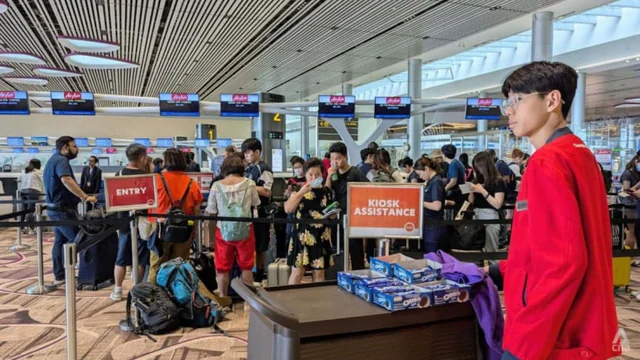
Travelers across India have described scenes of confusion, long queues, and minimal support. One passenger told ANI, “I tried for three days, but neither my ticket was rescheduled nor did the grievance contact number respond.”
The lack of timely customer support raises bigger questions around airline accountability during service breakdowns.
3. The regulatory implications could be significant
The DGCA’s show-cause notice—and refusal to grant further extensions—signals that the government is now forced to step in. This could lead to:
-
Stricter operational oversight
-
Penalties or mandated corrective measures
-
Policy discussions about over-reliance on single-carrier networks
4. The crisis highlights a trend: rising demand but limited operational resilience
India is experiencing one of the world’s fastest recoveries in air travel. But staffing shortages, technical dependencies, and infrastructure limitations are creating recurring friction points. IndiGo is not the first to face such a breakdown, and it won’t be the last unless systemic improvements follow.
What Travelers Can Expect in the Coming Days
1. More rolling cancellations—even if numbers improve
Airlines typically need days, sometimes weeks, to reset crew schedules, reposition aircraft, and clear backlogs. Even if today’s cancellations were pre-announced, travelers should expect delays and last-minute reshuffles.
2. Refunds may take longer than promised
Although IndiGo states it is processing full refunds, volume alone could slow disbursements. Passengers should:
-
Track PNR status daily
-
Document all communication
-
Escalate unresolved issues to DGCA’s AirSewa portal
3. Heightened airport congestion
With some travelers stranded and others rebooking on competing airlines, terminals in cities like Delhi, Mumbai, and Bengaluru may remain crowded.
4. Possible regulatory action
DGCA’s response could include fines or new guidelines on passenger handling. Any mandated changes may temporarily affect airline operations—though long-term, they could improve reliability.
So What’s the Big Picture?
IndiGo’s crisis is not simply a one-off operational hiccup. It’s a signal flare for the Indian aviation sector. As demand surges, airlines must evolve operationally, technologically, and in workforce management.
For passengers, the lesson is clear: flexibility and proactive monitoring are essential during peak travel seasons—or during any large-scale airline event.
Conclusion: The Road Ahead for IndiGo and Indian Travelers
The current wave of IndiGo flight disruptions is likely to shape how airlines and regulators approach crisis management in the months ahead. For travelers, the priority remains staying informed, planning buffer time, and keeping alternate options ready.
If IndiGo successfully stabilizes operations and reconciles pending refunds promptly, confidence may rebound quickly. But the industry-wide need for stronger operational resilience? That conversation has only just begun.
FAQ SECTION
Q: Why are so many IndiGo flights being cancelled?
A: IndiGo is experiencing a nationwide operational breakdown affecting crew availability and scheduling. Major airports like Delhi and Bengaluru are reporting heavy disruption, leading to pre-planned cancellations and delays across the network.
Q: How long will the IndiGo cancellations continue?
A: While the airline has shared daily updates, operational recovery typically takes several days. Travelers should expect rolling disruptions until aircraft and crew schedules stabilize.
Q: Will passengers get full refunds for cancelled IndiGo flights?
A: IndiGo has said it is processing 100% refunds for bookings up to December 6. However, due to volume, some refunds may take longer. Passengers can escalate unresolved refunds via the DGCA’s AirSewa portal.