Huawei Watch GT3Pro: An excellent Smartwatch many of us can't Buy
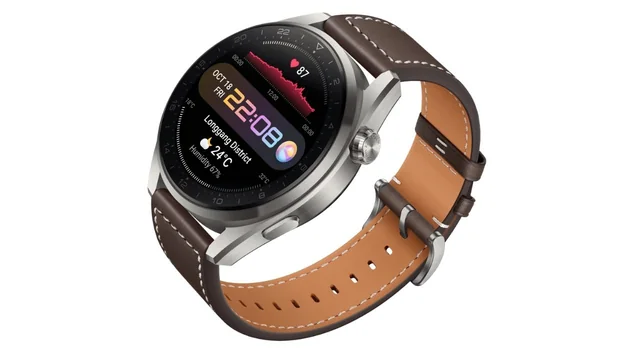
Last year's Watch 3 was a good shot and reminded me of Samsung's Tizen smartwatches. The GT 3 Pro comes in titanium and an all-ceramic model. The former shows a 46.6mm case with a 1.4-inch OLED display, while the latter is more diminutive at 42.9mm with a 1.3-inch display.
Both also feature sapphire glass, include IP68 water and dust resistance, and are swim-proof up to 5ATM (164 feet). Battery life is evaluated at up to 14 days for the titanium model and seven days for the ceramic model.
As Google and Samsung continued the Android smartwatch space the previous year, Huawei also announced it was venturing the Huawei Watch 3 on a new proprietary OS called HarmonyOS 2. It then heeded that up with the Huawei Watch GT 3. So it's not a big wonder that Huawei is back too with the Huawei Watch GT 3 Pro.
Both watches also hold all the sensors you'd expect to catch on a premium smartwatch. That includes an accelerometer, an optical heart rate sensor, SpO2 sensors, and a gyroscope. It also holds a barometer, temperature sensor, and magnetometer.
In addition, the watches have a new free-dive workout mode and built-in GPS as far as new capabilities go. It also has EKG credentials — though only in nations where Huawei's acquired the appropriate clearance from regulators.
Huawei is in a strange zone when it comes to its consumer tech. Thanks to an administrative order issued by former President Donald Trump in 2019, the company is prohibited from using US tech in its gadgets. That contains Android and Wear OS — hence, the proprietary OS.
It's a disgrace since Huawei's been in the wearables space for an extended time and made some fantastic smartwatches. The titanium rendition of the GT 3 Pro is a fantastic smartwatch. The display is striking, apps load fast in HarmonyOS 2, and it'll appeal to folks who like a more masculine, traditional-looking watch. That said, you would get an alternative strap for working out. Metal link straps don't tolerate sweat well and tend to be looser, which isn't great for heart rate accuracy.
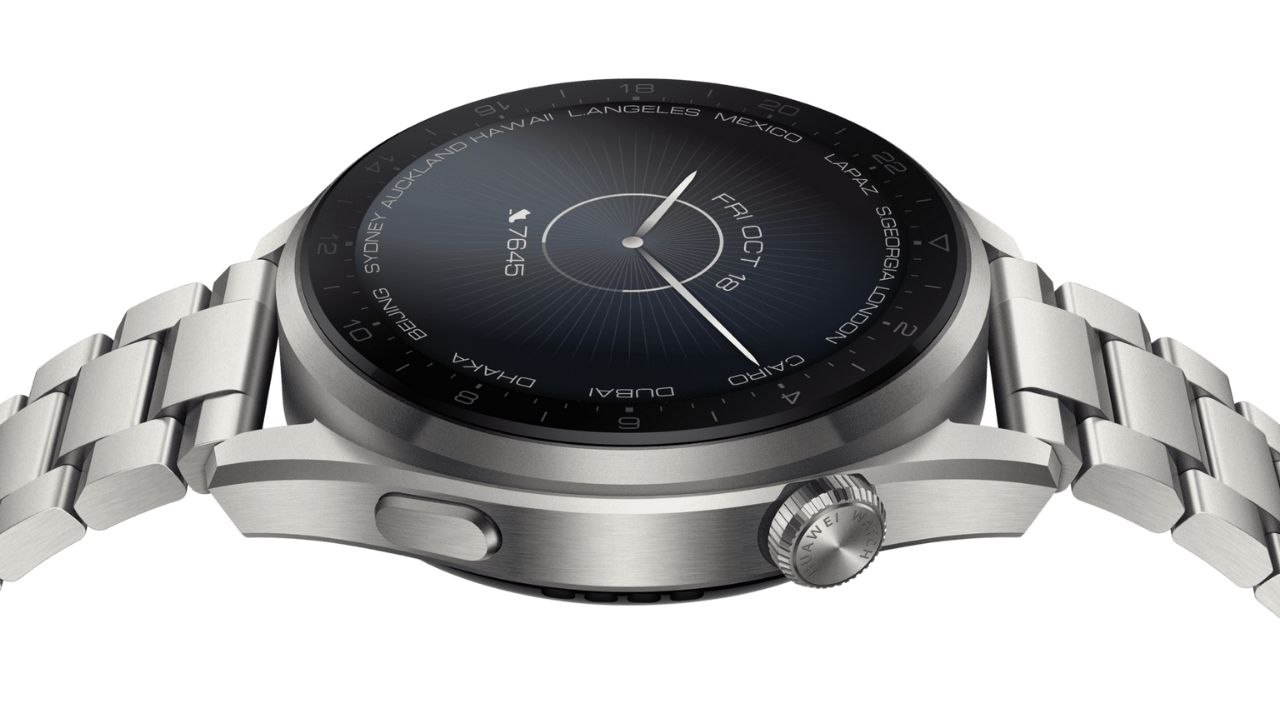
HarmonyOS 2 doesn't employ Google Assistant, Amazon Alexa, or Siri. Instead, it uses a proprietary assistant called Celia that requires you to have a Huawei phone. Likewise, you will be stuck with proprietary Huawei apps since there's no real third-party app support, making this a fancy-pants fitness tracker than a true smartwatch. Instead, it feels like an elevated Fitbit with a much more premium build quality and a snazzier OS.
However, a lot of this won't count once Fossil and other third-party watchmakers acquire Google's Wear OS 3. Huawei's wearables are locked into its ecosystem like Samsung's Tizen watches. When Wear OS 3 becomes more openly available, other third-party watchmakers will access Google services and favorite apps like Spotify. That'll be great for Android users altogether. But Huawei's watches will be best for individuals with Huawei phones.
The Huawei Watch's form factor is established on the circular design of standard watches, supporting a 42 mm (1.4 inches) AMOLED screen. The case is 316L stainless steel, shielded with sapphire crystal glass on the front, and available in six finishes: Black-plated Link Bracelet, Alligator-pressed Brown Leather, Black Leather, Steel Link Bracelet, Stainless Steel Mesh, and Rose Gold-plated Link Bracelet. The screen's resolution is 400 x 400 Px and 285.7 PPI.
The watch uses a 1.2 GHz Qualcomm Snapdragon 400 processor. All renditions of the Huawei Watch have 512MB of RAM and 4GB of internal storage and an accelerometer, vibration motor, gyroscope, and heart rate sensor. In addition, it supports WiFi and Bluetooth 4.1 LE and supports GPS locating. The watch utilizes a magnetic charging cradle with a day and a half battery life.
The watch pre-installed the Android Wear operating system, and it functions with iOS (8.2 and later) and Android (4.3 and later) devices. It currently helps Google Now voice commands and is compatible with Wear OS. In addition, the watch can process calls and receive messages and emails.
In a nutshell, Huawei's watches are stuck in limbo. You could see plenty of people digging the watch's snappier performance, health tracking, and analog aesthetic — even if the third-party app ecosystem is nonexistent. But, none of its watches are so revolutionary that it triggers wearable FOMO. So you're not missing that much at the end of the day.