How the Ultra-Rich Travel: Emergency Sand, $750K Yachts and Private Islands
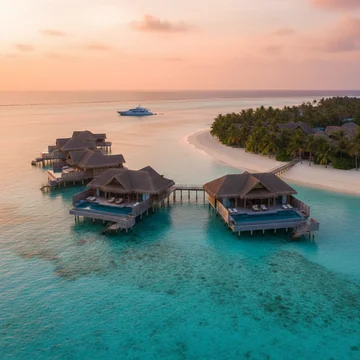
The global luxury travel market has exploded to $1.77 trillion in 2025, with projections pushing it past $2.1 trillion by 2033. But what does travel look like when money is truly no object? Think emergency sand shipments to pristine beaches, carpeted yacht decks for designer stilettos, and private island resorts that won't open for another two years but are already fully booked.
The New Gold Rush in Luxury Travel
At the International Luxury Travel Market (ILTM) expo in Cannes, the transformation is unmistakable. The event now hosts 2,500 exhibitors — a tenfold increase from its 2001 debut. The reason is simple: ultra-high-net-worth individuals, defined as those with $30 million or more in investable assets, are spending like never before on experiences that go far beyond first-class flights and five-star hotels.
Companies like Velocity Black charge $3,000 per year just for membership, then arrange trips costing up to $20,000 per night. Meanwhile, Zion Creative Artisans offers bespoke travel packages ranging from $21,000 to $140,000 per week, with every detail meticulously curated to the client's preferences.
When "Luxury" Isn't Enough
The stories from inside this world border on the absurd. One travel advisor recounted arranging an emergency sand shipment to a $40,000-per-night villa because the beach didn't meet the client's expectations. Another had a yacht — rented at $750,000 per week — carpeted entirely so a guest could walk comfortably in stiletto heels.
Hotels are adapting too. Nobu Hotel Barcelona now sends pre-visit questionnaires to high-end guests, asking about everything from preferred pillow firmness to favorite snack brands. The goal is to make every guest feel like the hotel was built specifically for them.
Private Islands and Mega-Resorts on the Horizon
The next frontier of luxury travel is exclusivity at a scale previously unimaginable. Bulgari Resort Cave Cay, a 220-acre private island in the Bahamas, is set to open in 2027. In the Maldives, the Rosewood Ranfaru — a $343 million development featuring 120 villas — is also targeting a 2027 launch. Both properties are already generating significant interest from clients willing to pay premium rates for ultimate privacy.
Why the Ultra-Rich Are Spending More on Travel
Several factors are driving this boom. Post-pandemic, wealthy travelers shifted their spending priorities from material goods to transformative experiences. The rise of social media has also created demand for unique, Instagram-worthy destinations that signal status in ways a luxury car or handbag cannot.
Additionally, the sheer growth in global wealth — particularly in tech, finance, and emerging markets — has expanded the pool of potential ultra-luxury travelers. Travel advisors report that clients are booking further in advance and spending more per trip than at any point in history.
The Bottom Line
The luxury travel industry has moved far beyond thread counts and champagne lounges. Today's ultra-wealthy travelers expect a level of personalization and exclusivity that would have seemed fantastical a decade ago. With a nearly $2 trillion market and growing, the industry shows no signs of slowing down — and the experiences on offer are only getting more extravagant.