How to Pair Fine Wine with Gourmet Cuisine
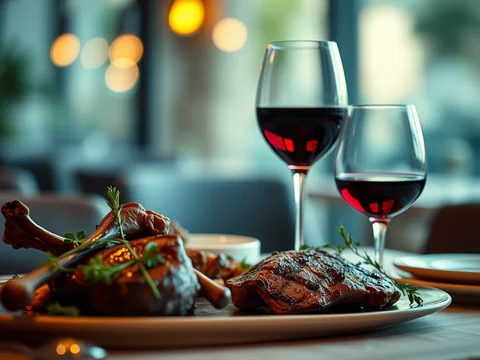
Pairing fine wine with gourmet cuisine is an art that combines flavors, textures, and aromas to elevate a dining experience. Whether you're hosting a dinner party or enjoying a special meal at a restaurant, understanding how to match wine with food enhances both the dish and the drink. The key to a successful pairing lies in balancing the characteristics of the wine with the flavors of the food, ensuring that neither overpowers the other. Here are some tips and principles to help you achieve the perfect pairing.
1. Understand the Basics of Wine Characteristics
Before diving into food pairings, it's essential to grasp the primary characteristics of wine. Fine wines typically exhibit one or more of the following traits:
- Acidity: Wines with high acidity, such as Sauvignon Blanc or Champagne, offer a crisp and refreshing taste. Acidity cuts through rich, fatty dishes and complements lighter, citrusy flavors.
- Tannin: Tannins are compounds found in red wines, like Cabernet Sauvignon, that create a dry, slightly astringent feeling in the mouth. They pair well with rich, fatty foods, as the fat softens the tannins, balancing the overall flavor.
- Sweetness: Sweeter wines like Riesling or Moscato balance salty or spicy dishes, making them a versatile choice.
- Body: The weight of a wine, or its "body," can be light, medium, or full. Lighter wines like Pinot Noir pair well with delicate dishes, while full-bodied wines like Syrah or Chardonnay match heartier meals.
- Alcohol: Wines with higher alcohol content tend to be more intense. These wines, such as Zinfandel, often pair best with bold, rich foods to prevent the alcohol from overpowering the dish.
2. Match the Weight and Intensity of Wine and Food
One of the golden rules of wine pairing is to match the weight and intensity of the wine with the food. A light dish such as a seafood salad pairs best with a light wine like a Pinot Grigio, while a hearty dish like braised beef or lamb calls for a robust wine such as a Bordeaux or Syrah. If the intensity of the wine is too strong for the food, it will overpower the dish. Conversely, a light wine may be lost when paired with a rich, heavy meal.
For example, if you're serving a rich, creamy lobster bisque, you might pair it with a buttery Chardonnay. The richness of the bisque will complement the wine's creamy texture and full body. Alternatively, a delicate poached fish dish may be better suited to a crisp Sauvignon Blanc, as its acidity can refresh the palate.
For those looking for a South American experience, an Argentinian wine is an excellent choice for pairing with grilled meats, such as steaks or lamb. The bold flavors of Malbec, with its ripe fruit and smoky undertones, complement the savory richness of these dishes, making it a favorite for barbecue or any hearty meat-based meal.
3. Consider Complementary and Contrasting Flavors
Pairing fine wine with gourmet cuisine involves balancing complementary or contrasting flavors. Complementary pairings bring out similar characteristics in both the wine and the food, while contrasting pairings highlight differences to create balance.
- Complementary Pairing: A rich, oaky Chardonnay can complement the buttery, creamy flavors of dishes like pasta Alfredo or risotto. The wine's similar richness and smoothness enhance the creamy texture of the dish.
- Contrasting Pairing: A crisp, acidic wine like Riesling or Champagne can cut through the richness of fried or fatty foods like fried chicken or tempura. The acidity contrasts with the fat, cleansing your palate with each bite.
4. Balance Flavor Profiles
Another important aspect is to consider the primary flavor profile of the dish"”whether it's sweet, sour, salty, bitter, or umami"”and match it accordingly.
- Salty foods: Salty dishes, such as seafood or cheese-based dishes, pair well with sparkling wines or slightly sweet wines like an off-dry Riesling. The sweetness balances the saltiness, creating a harmonious combination.
- Spicy foods: If you're serving a dish with spice or heat, such as Asian or Indian cuisine, pair it with a slightly sweet wine like a Gewürztraminer or a low-alcohol Riesling. The sweetness counteracts the spiciness, making for a smoother dining experience.
- Sweet foods: For desserts or sweet dishes, opt for a wine that matches or exceeds the sweetness level of the dish. Pairing a dessert with a dry wine can make the wine taste too acidic. Wines like Sauternes or Port are excellent choices for pairing with sweeter desserts.
5. Experiment and Enjoy the Process
While these guidelines can help you get started, the beauty of pairing fine wine with gourmet cuisine lies in experimentation. Try different combinations, and trust your palate. Ultimately, the best pairing is the one you enjoy the most.
By balancing wine characteristics, weight, and flavor profiles with your dishes, you can create a memorable dining experience that enhances both the wine and the food.