How to drive safely at night - 2026 Edition
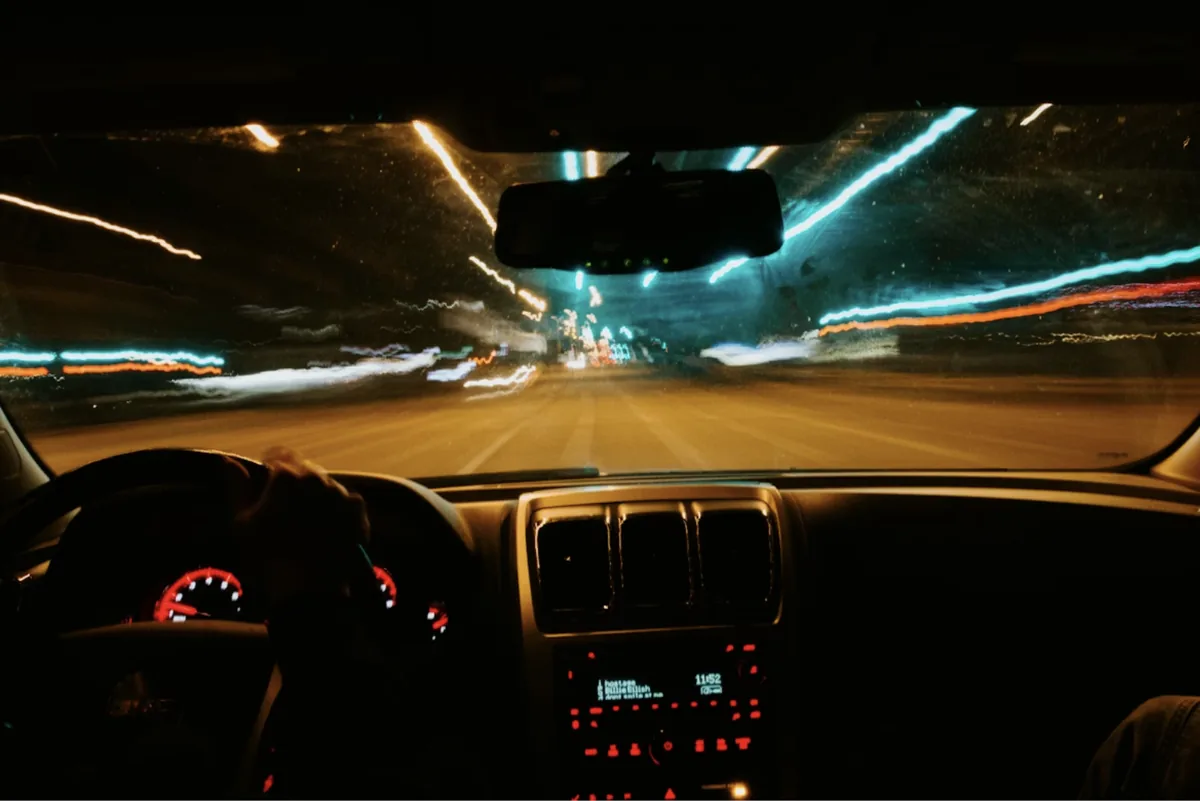
Driving after dark asks more of your eyes than most people realise. Depth perception shifts, contrast reduces, and glare from oncoming headlights can feel momentarily blinding. Even familiar roads take on a different character. A considered guide to night time driving begins with understanding what changes — both in the environment and in your vision.
Why night driving feels harder
In low light, the pupils dilate to allow more light in. This helps, but it also reduces sharpness and makes bright light sources appear harsher. Road markings can seem less distinct, pedestrians blend into the background, and judging distance becomes slightly more difficult.
Age plays a role too. As we get older, the eye’s lens naturally yellows and stiffens, which can increase sensitivity to glare and slow down how quickly the eyes adapt between light and dark. That moment when a car passes and you feel briefly dazzled is not simply irritation — it is a genuine visual adjustment.
Fatigue compounds all of this. The body’s natural circadian rhythm encourages alertness during daylight and rest at night. Driving late, particularly after a long day, can reduce reaction time in subtle but meaningful ways.
Prepare before you set off
Night driving is safer when it begins with simple checks.
Clean your windscreen inside and out. Even a fine film of dust can scatter light from headlights and street lamps, creating halos and streaks. The same applies to mirrors and side windows.
Check that all exterior lights are functioning properly — dipped beams, full beams, brake lights and indicators. Misaligned headlights can reduce your own visibility and dazzle other drivers.
If you wear prescription glasses, ensure they are clean and free from scratches. Small marks that go unnoticed during the day can become distracting under artificial light. An up-to-date prescription also matters. Many people only notice subtle changes in their vision when they start struggling with glare or clarity at night.
Managing glare
Glare is often the biggest complaint. Modern headlights, particularly LED units, can feel noticeably brighter than older halogen bulbs. While you cannot control the lighting choices of other drivers, you can adjust your response.
Avoid looking directly at oncoming headlights. Instead, shift your focus slightly towards the left edge of your lane, using road markings as a guide. This reduces the intensity of the light entering your eyes while keeping your vehicle positioned safely.
Keep a safe following distance. Tail lights can also create glare, and extra space gives you more time to respond if traffic slows unexpectedly.
Some drivers consider specialist lenses designed to reduce glare. Clear lenses with anti-reflective coatings can help minimise internal reflections on the lens surface, which may otherwise add to visual distraction. Yellow-tinted night driving glasses are widely marketed, but evidence supporting their benefit is limited; in some cases, they may reduce overall light transmission, which is not ideal in already dim conditions.
Adjusting your driving style
Driving at night calls for subtle shifts in behaviour rather than dramatic changes.
Reduce speed slightly, particularly on unfamiliar or poorly lit roads. This is not about hesitancy; it is about allowing more time for visual processing. Hazards can emerge later in your field of vision — cyclists without reflective clothing, animals crossing rural roads, or unexpected bends.
Use full beam headlights where appropriate, especially on unlit country roads, but dip them promptly for oncoming traffic or when following another vehicle. Courtesy aside, this protects your own vision by preventing unnecessary glare.
Stay attentive to reflective signage and road markings. These are designed to stand out in headlights and provide valuable orientation cues.
Recognising when vision may be an issue
Occasional discomfort from glare is common. Persistent difficulty seeing at night is not something to ignore.
Conditions such as cataracts can scatter light within the eye, increasing halos and reducing contrast. Dry eye can also exacerbate glare, as an uneven tear film affects how light enters the eye. Regular eye examinations help identify changes early and ensure any prescription glasses remain appropriate for driving.
In the UK, drivers are legally required to meet minimum eyesight standards. If there is any doubt about clarity, particularly when reading road signs at a distance, it is sensible to have vision checked.
The role of eyewear
For those who rely on prescription glasses, comfort and fit matter at night. Frames that sit securely without slipping reduce the need for constant adjustment, which can distract from the road. Lenses with anti-reflective coatings can improve clarity by reducing reflections from headlights and dashboard lighting.
When selecting driving glasses, practicality tends to outweigh fashion. That said, there is no reason the two cannot coexist. Many people choose everyday frames suitable for both daytime and night use. Shade Station, like other established eyewear retailers, carries a wide range of prescription frames that can be fitted with coatings appropriate for regular driving use.
Staying alert
Beyond eyesight, alertness is critical. If you feel drowsy, it is better to pause than to push through. A short break, fresh air, or a caffeinated drink may help temporarily, but genuine fatigue requires rest.
Plan longer journeys with scheduled stops. Night driving can be deceptively tiring because reduced visual input encourages the brain to relax.
Silence inside the car can also increase drowsiness. Moderate background audio — a podcast or radio — can help maintain engagement, though it should never distract from concentration.
A measured approach
Driving at night is not inherently unsafe. It simply requires awareness of the visual and physical differences that darkness brings. Clean glass, well-maintained lights, appropriate prescription glasses, and a slightly adjusted pace go a long way.
The most effective guide to night time driving is not about complex techniques. It is about acknowledging that your eyes work differently after sunset — and giving them the conditions they need to perform at their best.