How Smart Homeowners Protect Their Space When Winter Bites Back
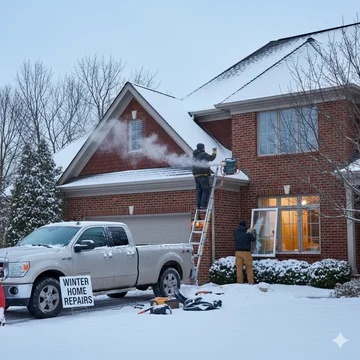
Winter has a way of reminding you who’s really in charge. The wind sneaks in through the smallest cracks, the furnace grumbles like it’s filing a complaint, and suddenly the house you loved in summer feels more like a test of endurance. But taking care of your home in cold weather isn’t just about surviving the season. It’s about working with it, paying attention to the small things before they become expensive problems, and knowing that a little maintenance now can save you a lot of grief later.
Keeping the Heat Where It Belongs
No one likes to see dollar signs escaping through drafty windows. The first step toward keeping warmth inside is sealing up the gaps. Weatherstripping around doors and windows may not be glamorous, but it makes a noticeable difference. Caulk dries hard and holds tight through months of temperature swings, and a quick pass with a candle or incense stick can reveal exactly where the air is sneaking through. Insulation in the attic and crawl spaces often gets overlooked because it’s out of sight, yet that’s where much of your heat slips away. Taking a weekend to add or replace insulation can lower energy bills and keep your home evenly warm.
Tending to What You Can’t See
What runs under your floors matters just as much as what sits on top. Pipes are one of winter’s biggest liabilities, and if you’ve ever dealt with a burst one, you know how costly and disruptive it can be. Keep the thermostat steady, even if you’re away for a few days. Let faucets drip during severe cold spells, especially in older homes or those with exposed lines. If you need a company that can complete water pipe repair right the first time, research local specialists before an emergency hits. You’ll save yourself the panic search later, when every plumber in town is booked solid.
Safeguarding the Outside So the Inside Stays Safe
The exterior is your home’s armor, and winter tests every inch of it. Clear gutters before the first freeze so melting snow has somewhere to go instead of pooling near the foundation. Check that downspouts point away from the house and extend several feet to avoid basement leaks. Roof inspections can feel tedious, but shingles loosen and flashing pulls away after long, hot summers. Catching that now prevents water damage and mold when ice dams form. Trim tree limbs that hang over the roof or near power lines—they’re beautiful in snow until they snap under the weight.
Driveways and walkways need attention too. Small cracks expand in freezing temperatures, and sealing them early avoids costly repaving come spring. Use pet-safe ice melt to protect both your concrete and your four-legged family members. It’s small, thoughtful upkeep like this that keeps winter from becoming a series of preventable disasters.
Looking After What’s Inside the Walls
Heating systems deserve their own midwinter check-in. Replace filters every month or two, and if your furnace sounds like it’s auditioning for a heavy metal band, call for maintenance. Clean vents and ensure nothing’s blocking them—furniture often shifts around in summer and ends up cutting off airflow when it’s needed most. For anyone relying on fireplaces, make sure the flue is clear before lighting the first fire of the season. Creosote buildup is a real fire hazard and takes less time to remove than most people think.
Now’s also a good time to test carbon monoxide detectors and smoke alarms. Winter means more closed windows and more time indoors, which makes good ventilation and safety devices nonnegotiable. These simple checks are what keep a cozy home from turning into a dangerous one.
Preserving What You’ve Built
Exterior paint and siding quietly take a beating every winter. Moisture seeps into wood, freezes, and causes it to peel or split. A quick coat of sealer or touch-up paint before the snow falls can protect your investment for years. When it’s time for bigger projects, like rendering a house, do it during a stretch of mild, dry weather so materials are set properly. It’s easy to underestimate how much temperature and humidity affect the longevity of a finish.
Driveways, decks, and porches also appreciate some prep. Sweep away leaves, dirt, and lingering summer debris before snow hides it all. Water trapped under that layer will freeze and erode surfaces. Wooden decks in particular benefit from a light cleaning and sealant before temperatures drop. It’s one of those chores that looks optional but pays off when spring arrives and everything’s still intact.
Winter may be relentless, but it also rewards preparation. A home that’s ready for it feels warmer, steadier, and more welcoming. That’s the kind of comfort that doesn’t fade when the temperatures drop, and it’s worth every bit of care you give it.