Gut Microbiome Breakthrough: How Bacteria Could Become the Future of Longevity Medicine
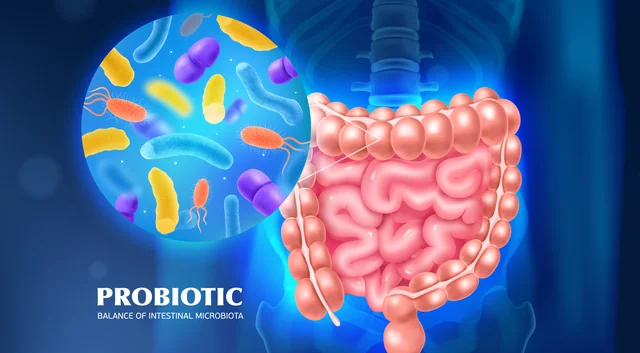
How the Gut Microbiome Is Becoming the New Frontier in Longevity Science
For years, conversations about living longer revolved around diet hacks, supplements, and cutting-edge gene therapies. But a surprising new player is stepping into the longevity spotlight: the bacteria living inside our digestive system. According to a recent study first reported by [source name here], scientists have discovered a way to nudge these microbes into producing compounds that may support healthier, longer lives.
This breakthrough goes far beyond another “gut health trend.” It signals a major shift in how future medicines might be designed—and it could redefine what personalized health looks like in the next decade.
The Core Discovery: A Simple Trigger, A Powerful Microbial Response
Researchers studying aging found something unexpected: when certain gut bacteria encounter extremely small, non-absorbed amounts of an old antibiotic (cephaloridine), they begin producing more of a compound known as colanic acid. Earlier studies showed that this compound can extend life in organisms like roundworms and fruit flies.
What’s remarkable is not the use of antibiotics to kill bacteria—but the opposite. The antibiotic isn’t absorbed into the body at all. Instead, it lightly stresses the bacteria in the gut just enough to make them generate beneficial metabolites.
In animal tests, this shift in bacterial behavior led to metabolic changes associated with healthier aging:
-
Improved cholesterol profiles in male mice
-
Lower insulin levels in female mice
-
A measurable increase in lifespan in roundworms
All of this occurred without systemic side effects, because the drug never left the gastrointestinal tract.
Why This Matters: A New Chapter for Longevity & Therapeutics
1. Medicine May No Longer Need to Target the Body Directly
Traditional pharmaceuticals are engineered to interact with human cells, tissues, or organs. This research flips that approach. Instead of altering the body, the strategy is to coach bacteria into producing the beneficial compounds themselves.
Think of it as outsourcing longevity support to trillions of tiny biochemical factories living inside us.
2. Personalized Health Could Become Far More Precise
Because each person’s microbiome is unique, microbiome-targeting therapies could one day be customized as precisely as today’s top-tier cancer treatments.
What you eat, where you live, your stress levels, and your genetics all shape your microbial ecosystem—meaning microbiome-based therapies have the potential to adapt to you, not the other way around.
3. This Could Reduce Drug Side Effects Dramatically
The key advantage here is safety. If a compound never enters the bloodstream, it can’t overstimulate organs, accumulate in tissues, or create unwanted systemic reactions.
This opens the door to gentler, safer intervention strategies for chronic conditions linked to metabolism and aging.
Our Take: We’re Entering the “Age of Microbial Medicine”
This research is part of a growing movement that sees the gut not just as a digestive organ, but as a command center influencing immunity, metabolism, mood, inflammation, and now possibly aging.
What excites us most is the philosophical shift:
- Instead of fighting microbes, we’re learning to collaborate with them.
- Instead of creating synthetic compounds, we may soon stimulate microbes to produce natural ones.
- Instead of suppressing symptoms, future therapies may optimize root-level biological processes.
The implications extend beyond longevity:
-
Metabolic diseases
-
Autoimmune disorders
-
Mental health
-
Nutrient absorption
-
Cardiovascular health
—all may eventually benefit from microbiome-first intervention strategies.
This isn’t about taking an antibiotic daily (nobody is recommending that), but rather about designing next-generation compounds that communicate with bacteria the way a conductor directs an orchestra.
What Comes Next?
Scientists now hope to develop targeted compounds—not antibiotics—that signal the microbiome to manufacture specific helpful metabolites. In the long term, this could evolve into:
-
Customizable microbial “boosters” for healthy aging
-
Precision gut therapies tailored to each person’s microbiome profile
-
Completely new classes of microbiome-activated pharmaceuticals
In short, we may soon shift from taking supplements for ourselves to activating the microbes that support us from within.
Conclusion
The discovery that gut bacteria can be reprogrammed to produce longevity-enhancing compounds represents a breakthrough moment in health science. While much more research is needed before human applications become available, this study strengthens a powerful idea:
Your gut microbiome isn’t just part of your body—it may be one of the most important tools you have for living longer and living better.