Government Docs Reveal New Details About Tesla and Waymo Robotaxis’ Human Babysitters
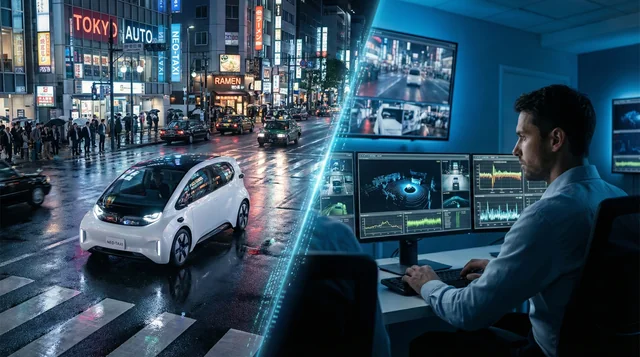
Inside the Human "Babysitters" Keeping Robotaxis on the Road
Is the robotaxi revolution just a collection of remote-controlled cars, or truly autonomous? A recent government document submitted by Waymo and Tesla has provided new details about the "remote assistance" programs that help these vehicles when their software gets confused.
While companies are often reluctant to talk about specifics, the documents reveal that human support is critical to ensuring robotaxis drive safely on public roads. Even the most advanced systems can get perplexed by power outages or unusual road conditions, leading humans to step in to provide "advice" from afar.
Remote Operators in the Philippines
Waymo operates a paid robotaxi service in six major metros, including Phoenix and San Francisco. Interestingly, the company confirmed that half of its remote assistance workers are contractors based overseas in the Philippines. These workers, though not directly steering the vehicles, provide data and support to the Waymo Driver system.
With about 70 assistants on duty at any given time monitoring some 3,000 robotaxis, the ratio remains low, suggesting the cars are doing the majority of the work. However, these human "babysitters" are the first line of defense when the AI software reaches its limits.
Conclusion: The Safety Role of Humans
For the foreseeable future, human operators will continue to play a vital safety role in the behavior of autonomous vehicles. The true challenge for robotaxi companies is not just building better self-driving software, but developing systems that know exactly when and how to ask for human help. As the technology continues to expand, paying attention to the people behind the robots remains crucial.