Google's February Gemini Drop Is Solid Progress Dressed Up as a Hype Event
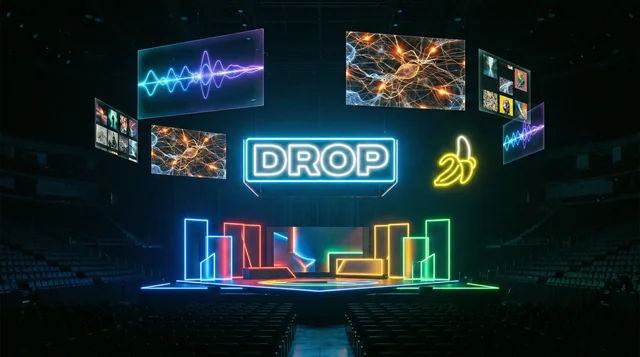
Google just dropped its February 2026 "Gemini Drop" — a curated bundle of AI updates that reads like a product launch event but arrives as a blog post. The updates span music generation, smarter reasoning, better image creation, video templates, and scientific citations. Here's what's actually new, and what's just marketing polish.
Lyria 3: AI Music in 30-Second Clips
Google's most advanced music model, Lyria 3, now lets users create 30-second audio tracks directly in the Gemini app. You can describe a vibe using text or images, and it generates a custom soundtrack. It's currently in beta, which means expect rough edges. The 30-second limit also means this is more "AI jingle maker" than anything a musician would take seriously — but for casual content creators and social media posts, it could be genuinely useful.
Gemini 3.1: The "We're Smarter Now" Update
Gemini 3.1 brings what Google calls "significantly improved intelligence for solving complex problems." The release includes 3.1 Pro for demanding workflows and Deep Think, a specialized reasoning mode for science and engineering problems. Deep Think is only available to Google AI Ultra subscribers — so if you want the best reasoning capabilities, you're paying for it. Whether "significantly improved" means a noticeable jump or another incremental benchmark improvement remains to be seen by actual users.
Nano Banana 2: Yes, That's the Real Name
The image generation model gets an upgrade with Nano Banana 2, which promises higher fidelity images and the ability to add text in any language with "real-world accuracy and incredible speed." Text rendering in AI images has been notoriously terrible across all platforms, so if Google has actually cracked multilingual text accuracy, that's genuinely impressive. The name, however, continues Google's tradition of naming things in ways that make you wonder if an AI came up with the name too.
Veo Templates and Scientific Citations
Veo Templates let you browse a gallery of video styles, pick one, and remix it with your own details. It's essentially video creation with training wheels — useful for people who want polished results without learning video editing. Meanwhile, Gemini now provides direct links to scientific papers in its responses, which is a genuinely useful feature for researchers who are tired of AI hallucinating citations.
The Bottom Line
Google's February Gemini Drop packages real improvements — better reasoning, music generation, improved images, and verified citations — inside marketing language borrowed from sneaker culture. Each feature on its own represents solid progress. But calling incremental AI updates "drops" and presenting them as events is a branding choice that oversells what are fundamentally software updates. The features speak for themselves; the hype doesn't need to.