Google's Antigravity Platform Aims to Unite Internal AI Coding Tools to Counter Claude Code and Codex
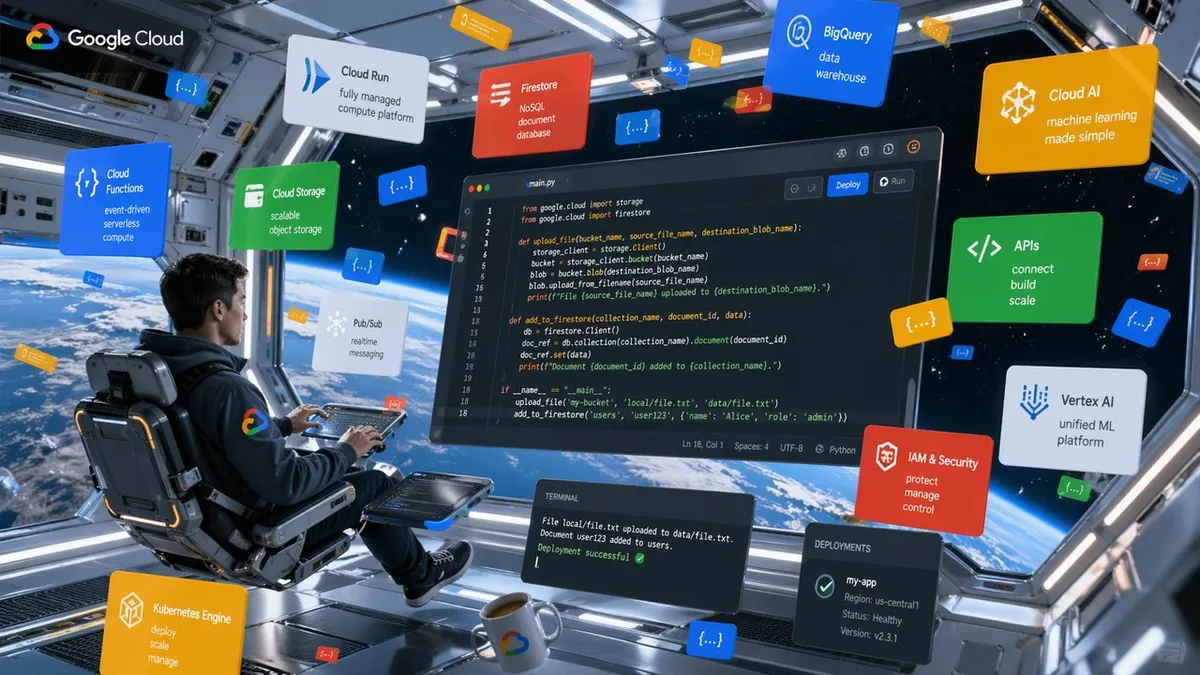
Google's Chief AI Architect Koray Kavukcuoglu is leading an effort to unify the company's scattered internal AI coding tools under a single platform called Antigravity, according to sources with knowledge of the project. The initiative is Google's response to the rapid rise of Claude Code and OpenAI's Codex as the dominant AI coding assistants among professional developers — tools that are being used inside Google itself, creating internal pressure to build a competitive alternative.
What Antigravity Is
Antigravity is described internally as a developer productivity platform that consolidates Google's various AI coding tools — including code completion models, test generation tools, documentation assistants, and code review bots — into a unified development environment. Rather than having engineers switch between disparate internal tools, Antigravity aims to provide a coherent AI-assisted coding experience comparable to what developers get from Cursor or Claude Code in their external workflows.
The platform leverages Google DeepMind's Gemini models as its underlying AI, and the integration with Google's internal infrastructure — including Piper (Google's version control system), Blaze (its build system), and internal code search tools — gives it context that external products cannot match for Google engineers. The goal is to make Google's own developers at least as productive with Antigravity as they would be with Claude Code or Cursor.
Why This Is an Embarrassing Internal Problem for Google
The fact that Google needs to build Antigravity is itself revealing: it implies that enough Google engineers were using external AI coding tools — Claude Code has been widely praised in the enterprise developer community — that internal AI leadership felt compelled to respond with a unified platform. For a company that invented the Transformer architecture and employs some of the world's best AI researchers, being outcompeted in developer tooling by smaller AI companies is a meaningful strategic embarrassment.
The situation also highlights a broader challenge Google faces: its AI research capabilities are world-class, but its ability to translate that research into developer-facing products has been slower than OpenAI and Anthropic. Google Colab's Learn Mode and other developer-facing AI products have been well-received, but none has achieved the adoption intensity of Claude Code or Cursor among professional software engineers.
The Competitive Stakes
The AI coding tool market is one of the highest-value segments in enterprise AI, with companies like Anysphere (Cursor) and Anthropic's Claude Code business generating hundreds of millions in recurring revenue. If Antigravity becomes successful internally, Google could eventually productize it for external developers — making it a direct Cursor and Claude Code competitor backed by Google's scale and distribution. A platform that combines Gemini's AI quality with Google's search, documentation, and code indexing infrastructure could be formidable.
Frequently Asked Questions
What is Google Antigravity?
Google Antigravity is an internal platform led by Chief AI Architect Koray Kavukcuoglu that unifies Google's AI coding tools — including code completion, test generation, and code review — into a single developer productivity environment powered by Gemini.
Is Google Antigravity available externally?
Antigravity is currently an internal Google initiative. There is no confirmed plan to release it as a public product, though its development is seen as a prerequisite for Google competing externally in the AI coding tools market.
Why is Google building Antigravity?
Google engineers were reportedly using external AI coding tools like Claude Code and Cursor because Google's internal tools were fragmented and less capable. Antigravity is Google's effort to provide an internal alternative that matches or exceeds external tools in quality.
The Bottom Line
Antigravity is a tacit admission that Google has fallen behind in developer AI tooling — even within its own engineering organization. Whether the platform can catch up to Claude Code and Cursor in capability and experience will determine whether Google remains a serious player in the AI coding tools market or cedes that ground to smaller, faster-moving companies. For Anthropic and Anysphere, the message is clear: Google is coming, and it has DeepMind, Gemini, and Google's full developer infrastructure behind it.