Google Messages Adds Real-Time Location Sharing, @Mentions, and Trash Folder
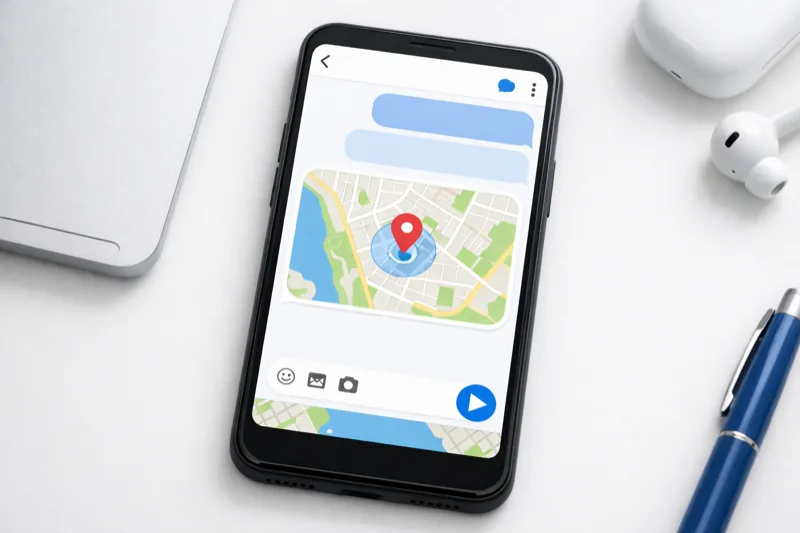
Google Messages is getting a trio of significant upgrades that bring it closer to feature parity with WhatsApp and iMessage. The March 2026 update adds real-time location sharing, @mentions in group chats, and a Trash folder for recovering deleted messages.
Real-Time Location Sharing
Google Messages now supports live location sharing through Find Hub, allowing you to share your real-time location with contacts. You can set how long they can see your location — options include one hour or until you manually turn it off. Your location updates in real-time, so contacts can track your progress as you move.
This feature has been available in WhatsApp for years, making it one of the most requested additions to Google Messages. It’s particularly useful for coordinating meetups, letting family know you’re on your way, or sharing your location during travel for safety.
@Mentions in RCS Group Chats
You can now mention specific people in RCS group chats using the @ symbol. When you @mention someone, they receive a notification even if the group chat is muted. This is a game-changer for busy group conversations where important messages can easily get lost in the noise.
The feature works with encrypted RCS messages between Android and iPhone — and a lock icon now shows when your chats are end-to-end encrypted.
Trash Folder
Perhaps the most overdue addition: Google Messages finally has a Trash folder. Deleted messages now go to Trash instead of being permanently erased, and you can restore them within 30 days. You can find Trash underneath Archive in the top-right profile menu.
If you change your mind about deleting a conversation, you can restore the full thread with its complete history intact.
The Bottom Line
These features are basic table stakes that WhatsApp and iMessage have had for ages. Real-time location sharing, @mentions, and a trash folder should not be exciting in 2026 — but for Google Messages users, they’re genuinely welcome additions. The real question remains whether Google will stick with Messages long enough for these features to matter, or if this is just another chapter in Google’s long history of messaging app musical chairs.