Global Markets Shaken: Trump’s New 15% Tariff Sends European Stocks Lower
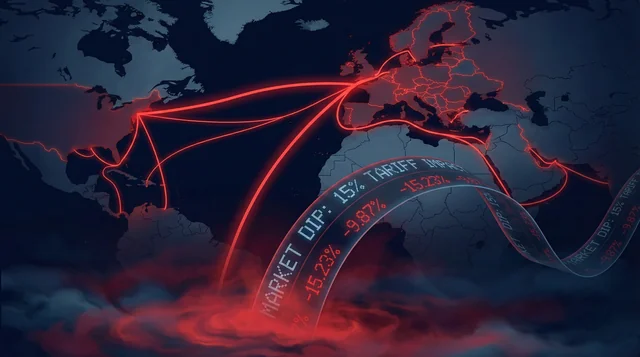
Global Markets Shaken: Trump’s New 15% Tariff Sends European Stocks Lower
The global trading landscape faces a new wave of uncertainty as U.S. President Donald Trump announced a sudden increase in blanket worldwide tariffs. Moving from the previously proposed 10%, the new 15% levy has sent ripples through international markets, specifically hitting European indices as the new trading week began.
Key Impact Points:
- Immediate Reaction: The pan-European Stoxx 600 fell 0.3% in early trading, with major bourses in London, Germany, and France all opening in negative territory.
- Escalation: The increase from 10% to 15% was announced over the weekend via Truth Social, described by the President as "effective immediately."
- Market Sentiment: The move has heightened concerns regarding global inflation and long-term economic growth, particularly in export-heavy European sectors.
- Currency Shift: The U.S. dollar saw significant volatility as investors weighed the impact of the new trade policy.
A "Reciprocal" Response
The decision comes shortly after the U.S. Supreme Court ruled against previous tariff implementations, suggesting that the administration is pivoting to a broader, legally tested framework. President Trump characterized the move as a necessary retribution against countries that have "ripped off" the U.S. for decades.
Why it Matters
For global businesses and consumers, a 15% blanket tariff represents a significant increase in the cost of goods. While some sectors, like U.K. retail, saw isolated gains due to buyback news, the overall sentiment is one of caution. Analysts warn that if these levies remain in place, they could lead to a fundamental shift in global supply chains and a potential slowdown in international trade volume.
Conclusion
As markets continue to digest the implications of this 15% global levy, the focus shifts to potential retaliatory measures from other nations. With U.S. stock futures also pointing to a weaker open, the "battle of narratives" over trade and protectionism is entering a high-stakes new phase.