Genki Robotics Hits $1 Billion Valuation in Series A as Andy Rubin Returns to Humanoid Robots
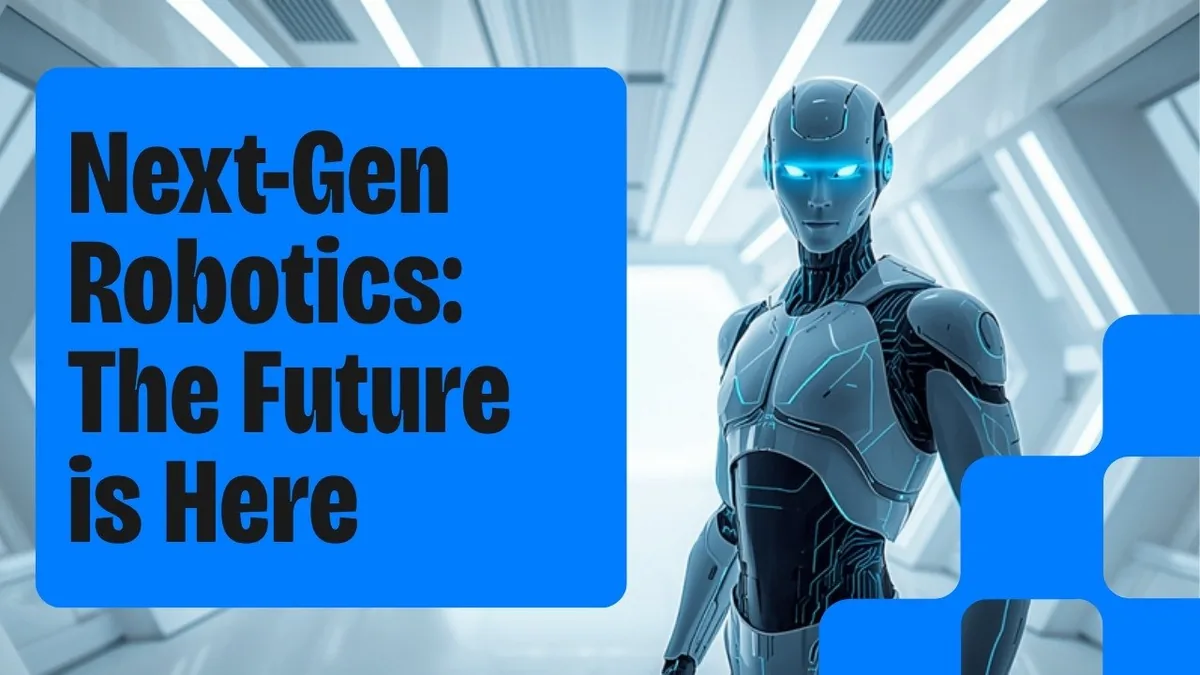
Andy Rubin — the engineer who created Android — has just hit a 1 billion dollar valuation on his latest project, a humanoid robotics company called Genki Robotics. The Series A close, reported by Axios earlier today, comes less than a year after the company raised a 50 million dollar seed round. It is one of the fastest seed-to-unicorn trajectories the humanoid robotics sector has produced — and a clear sign that the post-Boston-Dynamics generation of robotics startups is finally getting institutional dollars.
Who Andy Rubin Actually Is — And Why That Matters Here
Rubin co-founded Android, sold it to Google in 2005 for 50 million dollars, ran Google's robotics division through several high-profile acquisitions, then left in 2014 amid controversy. He has been quiet about robotics for a decade. The 2025 Genki seed round was his return to the space, and the speed of the Series A close suggests investors are betting heavily on his pattern recognition and execution chops.
The "executive who built one famous platform returns with the next" pattern has produced both real winners (Tony Fadell with Nest) and notable misses. Rubin's robotics record is mixed — Google's Schaft and Boston Dynamics acquisitions under his watch did not commercialize on his timeline. Investors are clearly betting that the macro environment in 2026 is finally right for humanoids.
The Humanoid Robotics Macro Story
The humanoid robotics sector has gone vertical in 2026. Tesla's Optimus is reportedly entering limited commercial deployment, Figure AI is on its third major model release, and Japanese tech giants formed a consortium for trillion-parameter physical AI earlier this year. The combination of mature foundation models, falling actuator costs, and clear factory/logistics pull-through has flipped humanoids from "interesting demo" to "credible bet".
Genki specifically is reported to focus on bipedal humanoids for warehouse and light-manufacturing deployment — the same sweet spot Figure and Agility are competing for. The differentiator, per Axios, is the AI control stack: Genki uses a vision-language-action model that lets the robot adapt to new tasks via natural language instructions instead of being reprogrammed for each workstation.
Why $1B at Series A Makes Sense (Sort Of)
A 1 billion dollar Series A valuation is rich. By comparison, Figure raised at 2.6B in early 2024, Agility raised at 1B in late 2024. Genki's 1B is in the same range, justified by Rubin's track record and the team's previous Google Robotics pedigree, not by revenue (which is essentially zero today).
This is exactly how the AI infrastructure cycle has been playing out. Oracle's $16B AI data center deal and surging GPU rental rates are the same pattern: massive capital allocated based on long-horizon platform bets, not near-term economics. The investors know they are paying for optionality.
My Take
Honestly, this is more about Rubin's brand than about Genki's product, and that is fine. Brand-driven Series A rounds at unicorn valuations are the standard mechanic for capital allocation in red-hot sectors. The investors are not buying Genki's robot; they are buying access to whoever Rubin builds next, and they are doing it before Tesla and Figure capture all the warehouse contracts.
The smart concern is that humanoid robotics is genuinely hard. The last decade is littered with billion-dollar failed humanoid bets. The reason 2026 might be different — better foundation models, real factory pull-through, falling component costs — is plausible, not guaranteed. If Genki ships a credible commercial robot in the next 24 months, the 1B valuation is conservative. If not, it is a Boston Dynamics-style cautionary tale at 5x the price.
Frequently Asked Questions
What is Genki Robotics?
Genki Robotics is Andy Rubin's humanoid robotics startup, focused on bipedal humanoids for warehouse and light-manufacturing deployment. The company emerged from stealth in 2025 with a 50 million dollar seed round and has just closed Series A at a 1 billion dollar valuation.
Who is Andy Rubin?
Andy Rubin co-founded Android (acquired by Google in 2005), then ran Google's robotics division through acquisitions of Boston Dynamics, Schaft, and others. He left Google in 2014. Genki Robotics is his return to robotics after a decade away.
How does Genki compare to Figure AI and Tesla Optimus?
All three target humanoid bipedal robots for similar deployment categories (warehouse, light manufacturing). Genki is the youngest and least demonstrated; Tesla Optimus has the deepest manufacturing pipeline; Figure AI has the most-shipped commercial pilot programs.
What is a vision-language-action model?
It is an AI model that combines visual understanding (cameras), language understanding (instructions), and action generation (motor commands) into a single system. It lets a robot follow natural-language instructions and adapt to new tasks without explicit reprogramming.
The Bottom Line
Genki Robotics hitting 1 billion dollars at Series A is less about the company today and more about the macro sector. Humanoid robotics has crossed from speculative to investable in 2026, and Andy Rubin's brand let him capture an outsized round. Whether Genki delivers a real commercial robot is the test that matters. If it does, this round is cheap; if it does not, expect a sharp correction in humanoid valuations across the board.