Gaming Is the AI Boom's Biggest Casualty: RAM Shortage, Price Hikes, Job Losses
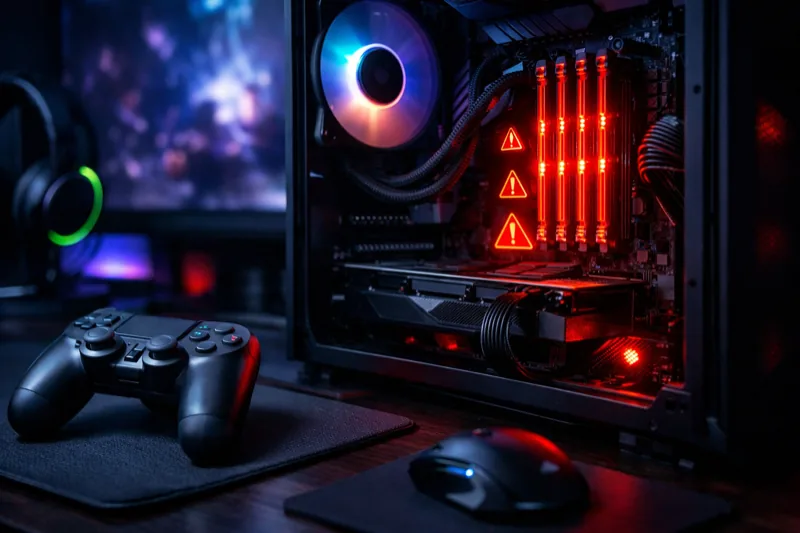
The gaming industry is emerging as one of the AI boom's most significant collateral casualties. A perfect storm of global RAM shortages, rising console prices, massive job losses, and delayed hardware launches is reshaping an industry that once seemed untouchable — and AI's insatiable appetite for memory chips is at the center of it all.
AI Is Eating Gaming's RAM Supply
The three major memory manufacturers — Samsung, SK Hynix, and Micron — have made a calculated business decision: prioritize high-margin AI chips for data centers over consumer gaming hardware. Data centers are now expected to consume 70% of global memory chip production in 2026, leaving gaming and consumer electronics fighting over scraps.
The numbers are staggering. DRAM prices surged 90% in Q1 2026 compared to Q4 2025. The memory market has moved to what Tom's Hardware calls "hourly pricing" — with over 190,000 small and mid-size electronics companies being squeezed out entirely. When Samsung can sell HBM3E to Nvidia at premium margins, why would they bother making cheap DDR5 for PlayStation?
Console Prices Going Up, Sales Crashing Down
Console hardware spending crashed 27% last month, with unit sales hitting their lowest point since 1995. Console sticker prices could jump another 10-15% within two years, while gaming PCs face even steeper increases — potentially 30%. The PS6 is now rumored to be delayed to 2029 just to wait out the inflated costs.
Nvidia, once gaming's most important hardware partner, is reducing gaming graphics card production by up to 40% in 2026 and indefinitely delaying the RTX 50 Super series. For the first time in nearly three decades, Nvidia is actively deprioritizing its gaming division in favor of AI data center GPUs. The message is clear: gamers are no longer Nvidia's most important customers.
Job Losses Across the Industry
The pain extends beyond hardware. The gaming industry has seen waves of layoffs as studios face rising development costs, shrinking budgets, and a shift toward AI-powered game development that requires fewer human workers. The combination of expensive hardware driving away consumers and AI tools replacing developers creates a vicious cycle that threatens the industry's creative ecosystem.
Xbox Sunsetting Rumors Add to the Gloom
Adding fuel to the fire, Seamus Blackley — the original creator of Xbox — claimed in a recent interview that the Xbox console was sunsetting. While Microsoft hasn't confirmed this, the gaming community's reaction reflected a broader anxiety: that the AI boom is systematically dismantling the gaming ecosystem that took decades to build.
The Bottom Line
Gaming was supposed to benefit from AI — better graphics, smarter NPCs, procedural content generation. Instead, AI is cannibalizing gaming's hardware supply chain, driving up prices, eliminating jobs, and potentially killing entire product lines. The AI boom's promise of making everything better has, for gamers, delivered the exact opposite. When your favorite GPU maker decides you're less profitable than a data center, you know the priorities have permanently shifted.