France Pushes Euro Stablecoins as Alternative to US Dollar Crypto Dominance
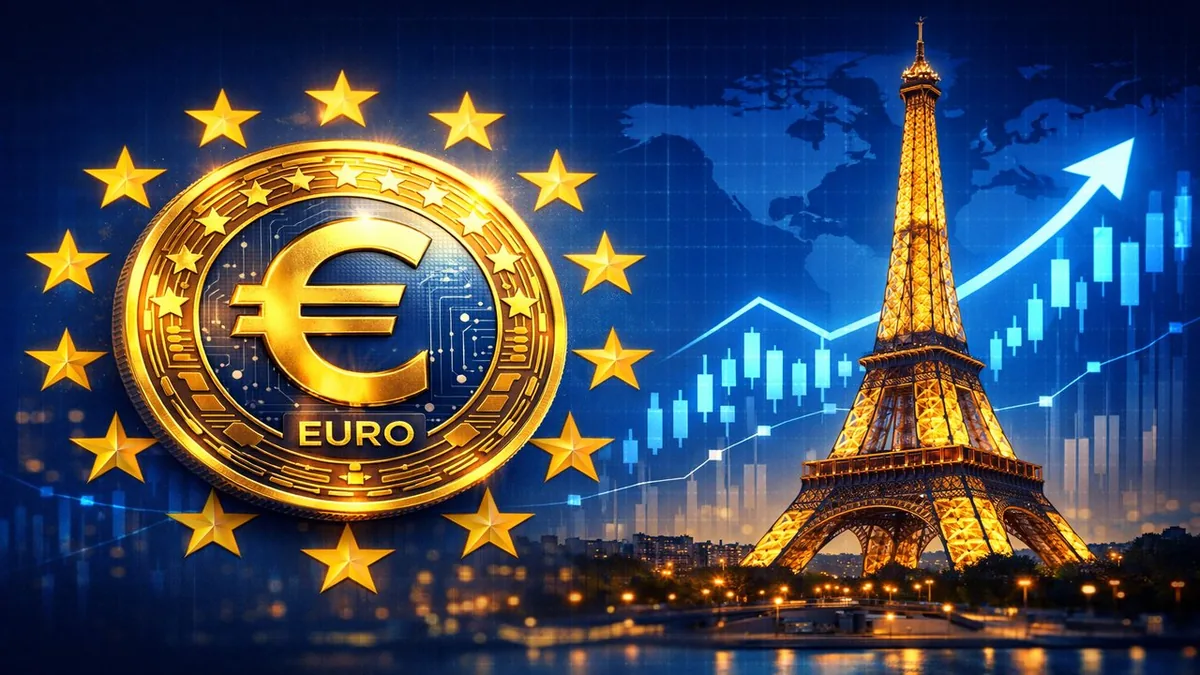
France is actively promoting the development and adoption of euro-denominated stablecoins as part of a broader European strategy to reduce dependence on the US dollar in digital finance. With most major stablecoins pegged to the US dollar, European policymakers and financial institutions are concerned about the growing dollarization of the crypto economy and its implications for the euro's role in international finance.
The Euro Stablecoin Opportunity
Currently, dollar-pegged stablecoins like USDT and USDC dominate the stablecoin market with a combined market cap exceeding $150 billion, while euro stablecoins represent a fraction of this. France's central bank, Banque de France, and regulators have been engaging with private issuers and blockchain projects to encourage compliant euro stablecoin issuance. The EU's MiCA (Markets in Crypto-Assets) regulation, now fully in force, provides the legal framework for licensed stablecoin issuers, giving euro stablecoin projects a clearer path to regulatory approval than their US counterparts.
MiCA as a Competitive Advantage
European proponents argue that MiCA actually positions European stablecoin issuers advantageously compared to their US counterparts, which still operate in regulatory uncertainty. A MiCA-compliant euro stablecoin can be marketed across all EU member states without requiring separate national approvals, making the European market an attractive launch pad. Several French fintech companies and traditional banking groups are reportedly in advanced stages of issuing MiCA-compliant euro stablecoins.
Geopolitical Context: Digital Currency Competition
The push comes amid broader concerns in Europe about financial sovereignty. If digital commerce increasingly settles in dollar stablecoins, the dollar's reserve currency status gains another structural reinforcement at the expense of the euro. The European Central Bank has been exploring a digital euro, but its timeline and scope remain uncertain. In the meantime, France is betting that regulated private euro stablecoins can capture market share before dollar stablecoins become even more entrenched in global crypto liquidity.
The Bottom Line
France's push for euro stablecoins is simultaneously a financial sovereignty play and a practical market opportunity. If MiCA-compliant euro stablecoins gain traction, they could diversify the stablecoin market and reduce the crypto industry's structural dependence on the US dollar. The window is open — but narrow, given how entrenched USDT and USDC already are — and Europe's ability to move quickly will determine whether this becomes a meaningful counterweight or a footnote in dollar stablecoin dominance.
Related Articles
- Bitcoin Surges to $76K on Iran-Hormuz Geopolitical Tensions
- Charles Schwab Launches Bitcoin and Ether Spot Trading
- Mistral AI Becomes Europe's Answer to US and Chinese AI Giants