Framework Memory Price Hike Signals Ongoing RAM Crunch
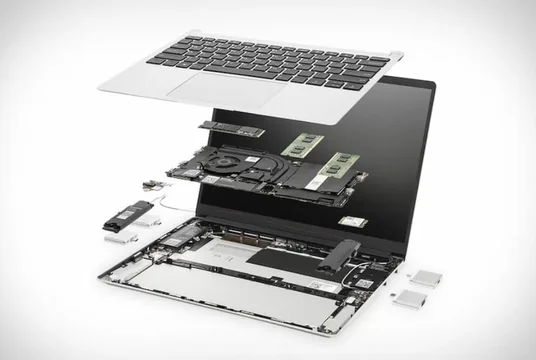
Framework Memory Price Hike: Why This Matters Beyond One Laptop Brand
Framework has raised prices on its DDR5 memory modules again—only weeks after its previous increase. On the surface, this may look like a routine pricing update from a niche laptop maker. In reality, it’s another signal that the global memory market is tightening, and consumers may need to rethink how they buy and upgrade laptops in 2025 and beyond.
Key Facts at a Glance
Framework now prices its DDR5 RAM at roughly $10 per GB for 8GB, 16GB, and 32GB configurations, with even steeper pricing at higher capacities. For example:
-
8GB increased from $60 to $80
-
16GB jumped from $120 to $160
-
32GB rose from $240 to $320
-
48GB more than doubled to around $620
-
96GB kits now exceed $1,200
The increases affect memory options bundled with Framework’s DIY Edition laptops. The company is not selling standalone DDR5 modules, citing inventory constraints. To soften the blow, Framework encourages buyers to order laptops without memory and source compatible RAM elsewhere.
Why the Framework Memory Price Hike Matters
The Framework memory price hike isn’t just about one company charging more—it reflects a broader industry trend. DDR5 RAM prices have been climbing due to constrained supply, rising production costs, and increased demand from AI infrastructure, data centers, and next-gen PCs.
For Framework, a company built around modularity and consumer-friendly repairability, price hikes create a delicate balance. Its brand promise centers on long-term value and flexibility. Higher upfront costs challenge that narrative, even if the underlying causes are outside the company’s control.
For consumers, this matters because memory is no longer a “cheap upgrade.” RAM used to be the easiest way to boost performance on a budget. Today, escalating DDR5 RAM prices mean buyers must plan upgrades more strategically—or risk paying a premium later.
The Bigger Picture: Modular Laptop Costs Are Rising
Framework’s situation highlights an uncomfortable truth: modular and DIY-friendly laptops are not immune to global component economics. While modularity still offers long-term savings, the entry point is getting more expensive.
This could reshape buying behavior in three ways:
-
More third-party sourcing – Savvy buyers will increasingly skip bundled RAM and shop around.
-
Longer upgrade cycles – Users may hold onto existing memory longer instead of upgrading incrementally.
-
Higher baseline configurations – Some buyers may opt for more RAM upfront to avoid future price hikes.
In a sense, Framework’s transparency about pricing—and its direct link to PCPartPicker—acknowledges this shift and empowers users rather than locking them into inflated prices.
Practical Implications for Buyers
If you’re considering a Framework laptop right now, the smartest move may be flexibility. Ordering without memory and reusing compatible DDR5 modules can significantly reduce costs. However, compatibility and performance still matter—cheap RAM isn’t always reliable.
It’s also worth watching the market. Memory pricing has historically been cyclical. While short-term relief seems unlikely, future corrections are possible once supply stabilizes.
Actionable takeaways:
-
Compare third-party DDR5 options before checkout
-
Prioritize reliability over raw capacity
-
Consider future-proofing if prices continue to rise
Old vs. New Framework Memory Pricing
[COMPARISON TABLE:]
| Feature | Before Increase | After Increase |
|---|---|---|
| 8GB DDR5 | ~$60 | ~$80 |
| 16GB DDR5 | ~$120 | ~$160 |
| 32GB DDR5 | ~$240 | ~$320 |
| 48GB DDR5 | ~$240 | ~$620 |
| 96GB DDR5 | ~$960 | ~$1,240 |
Bottom Line: Framework’s new pricing makes bundled RAM far less attractive. For cost-conscious buyers, third-party memory is now the clear winner.
What Comes Next for Framework and Buyers
Framework has hinted that this may not be its last increase if supplier costs keep rising. That honesty is refreshing—but it also underscores how volatile the component market remains.
In the long run, Framework’s modular philosophy still offers resilience. Even if RAM is expensive today, the ability to upgrade later—without replacing the whole laptop—remains a meaningful advantage.
The Framework memory price hike is a reminder that smart hardware buying in 2025 is less about chasing specs and more about planning ahead.
FAQ SECTION
Q: Why did Framework raise memory prices again?
A: Framework raised prices due to significantly higher DDR5 costs from suppliers and distributors. Global demand, limited supply, and rising production expenses are driving memory prices up across the industry, not just for Framework.
Q: Can I avoid the Framework memory price hike?
A: Yes. Framework allows buyers to order DIY laptops without memory and install compatible DDR5 RAM from third-party vendors, often at lower prices.
Q: Will DDR5 RAM prices go down soon?
A: Not likely in the short term. Memory markets are cyclical, but current demand from AI and data centers suggests elevated prices may persist for a while.
Q: Is Framework still worth buying with higher RAM costs?
A: For many users, yes. Despite higher upfront costs, Framework’s modular design can save money long-term by extending the laptop’s usable life.