Evaluating Healthcare Equipment: A Guide for Caregivers
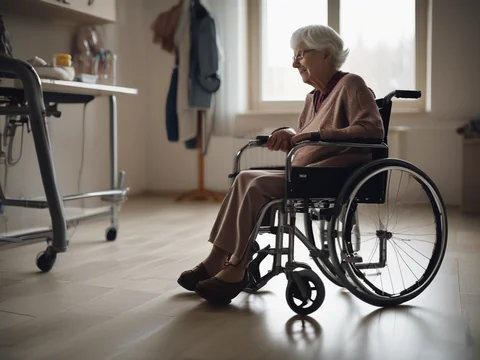
Caring for the elderly often requires careful consideration of the types of healthcare equipment used daily. As individuals age, their mobility may decrease, and their needs evolve, making the right selection of healthcare aids vital for both safety and quality of life. For caregivers, ensuring that the equipment in use is suitable for the elderly's specific requirements is key to enhancing their comfort and independence. This guide provides an overview of how to evaluate healthcare equipment effectively, ensuring that both the elderly and their caregivers can make informed decisions.
Understanding the Specific Needs of the Elderly
Before selecting healthcare equipment, it's essential to assess the specific needs of the individual receiving care. These needs can vary greatly depending on mobility, physical limitations, and overall health conditions.
Some elderly individuals may require walking aids such as canes, walkers, or crutches, while others might need more extensive support such as wheelchairs or power scooters. Those who struggle with balance or standing may benefit from specialised chairs and bathroom aids, such as grab rails or shower stools.
To make informed decisions, caregivers should consider the following:
- Mobility: How well can the individual move independently? Do they require support for walking or balance?
- Daily Activities: What tasks are they struggling with, such as bathing, dressing, or eating?
- Medical Conditions: Are there any specific medical conditions that require specialised equipment, such as diabetes or arthritis?
Understanding these factors allows caregivers to choose the most appropriate equipment, ensuring the safety and comfort of the elderly person in their care.
Where to Source Reliable Equipment
Caregivers need to source their healthcare equipment from reputable suppliers to ensure quality and reliability. One useful option is to consider providers which offer a wide range of daily living aids specifically designed for elderly care. Visit https://www.safetyandmobility.com.au/ for more information.
By choosing equipment from trusted sources, caregivers can feel more confident in the safety and durability of the products they are purchasing.
Key Considerations When Choosing Healthcare Equipment
Safety Features and Comfort
The safety and comfort of the elderly must be the primary considerations when evaluating healthcare equipment. Ensuring that the equipment meets regulatory safety standards is crucial in preventing accidents and reducing the risk of injury.
Safety features may include:
- Non-slip surfaces for bathroom aids
- Sturdy frames for walking aids and wheelchairs
- Locking mechanisms for beds and chairs to prevent unintended movement
- Adjustable components to suit the specific needs of the individual
While safety is paramount, comfort should not be overlooked. Uncomfortable equipment may discourage the elderly from using it, thereby diminishing its effectiveness. Cushioned seats, padded handles, and ergonomic designs contribute to a more comfortable experience, encouraging regular use and helping maintain independence.
Durability and Ease of Maintenance
Another key factor when evaluating healthcare equipment is its durability and ease of maintenance. Quality equipment that is designed to last not only provides value for money but also reduces the frequency of replacement, which can be costly and disruptive to the elderly person's care routine.
Durable materials like stainless steel or reinforced plastics are common in high-quality healthcare equipment. Items such as walkers, wheelchairs, and bathroom aids should be robust enough to withstand daily use while remaining easy to clean and maintain.
For instance, when selecting equipment, caregivers should ensure that it is easy to disassemble for cleaning and that replacement parts are readily available. Equipment requiring regular upkeep, such as battery-powered mobility aids, should have accessible service options to prevent long periods of disuse.
Accessibility and Practicality
One of the most important considerations when selecting healthcare equipment is how accessible and practical it is for the user. Equipment that is too complicated or cumbersome can cause frustration and hinder independence. Therefore, it's crucial to select items that are easy to use for both the elderly person and their caregiver.
For instance, walkers should be lightweight yet sturdy enough to offer reliable support. Bathroom aids like raised toilet seats should be adjustable and easy to clean while lifting aids should be simple for caregivers to operate without requiring extensive training.
Proper Fit and Adjustment
Another vital aspect to consider is the proper fit of the equipment. Improperly sized aids can lead to discomfort, injury, or misuse, which can compromise the safety of the individual. Adjustable equipment allows for customisation to the user's size and physical needs.
When selecting items like wheelchairs or walking aids, caregivers should ensure that they are fitted correctly. An improperly fitted wheelchair, for example, may cause posture issues, while an ill-fitting walker could lead to trips and falls. Taking measurements and seeking professional advice can help in ensuring that the equipment is a proper fit for the elderly person.
Proper Certification
In Australia, when selecting healthcare equipment for elderly care, ensuring that the products meet National Disability Insurance Scheme (NDIS) certification is crucial. NDIS certification signifies that the equipment complies with the national standards for supporting individuals with disabilities, including the elderly, ensuring that the products are safe, reliable, and tailored to specific needs.
NDIS-approved products undergo thorough testing and evaluation to meet the requirements for durability, functionality, and safety. Caregivers can feel confident knowing that equipment with NDIS certification adheres to these stringent standards. This is especially important for items like mobility aids, daily living supports, and specialised seating, which play a significant role in enhancing the quality of life for the elderly.
In Summary
Choosing the right healthcare equipment for the elderly requires careful evaluation of their specific needs, as well as considerations of safety, comfort, durability, and practicality. By sourcing reliable equipment and ensuring proper fit and maintenance, caregivers can significantly enhance the quality of life for the elderly, fostering a safer and more comfortable living environment.
Through proper evaluation and selection, caregivers can make well-informed decisions that not only benefit the elderly but also streamline their caregiving responsibilities.