Electric Vehicles vs. Gas Cars: Which Saves You More Money?
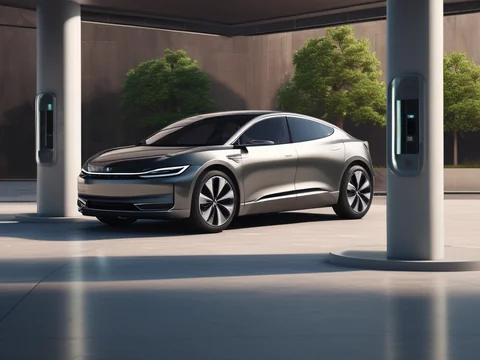
Electric vehicles (EVs) are all the rage, flaunting their "GAS LOL" vanity plates, but are they truly cheaper than gas-powered cars? We dove deep into the numbers and sought expert opinions. The crux of the matter is the comparative cost of charging an EV versus fueling a gas car.
The High Cost of Gasoline
Back in June 2022, gas prices skyrocketed, peaking at over $5 per gallon nationwide. This spike prompted many drivers to explore alternatives like EVs and hybrids. While gas prices have dipped to around $3.70 per gallon, the unpredictability keeps drivers on edge.
EV Charging: The Cheaper Option?
Experts unanimously agree: EV charging generally costs less than gasoline. Anastasia Boutziouvis from ChargePoint highlights that electricity, though variable in price, consistently undercuts gasoline. On average, charging an EV can be one-third to one-half the cost of refueling a gas-powered car.
Crunching the Numbers: EV Charging vs. Gasoline
Using average U.S. driving data, we compared the costs side-by-side for a month. Charging an EV at home during off-peak hours emerges as the most economical method. This approach might only set you back a couple of bucks per night, far cheaper than a gallon of gas.
Home Charging Costs
The cost of home charging hinges on local electricity rates, which vary widely across the U.S. For instance, electricity in Hawaii or California is pricier compared to North Dakota or Utah. Some states even offer incentives or special plans for EV owners, like free or unlimited charging for a fixed monthly fee.
Public Charging Costs
Public charging stations present a different scenario. They vary in pricing methods"”some charge a flat rate, others based on time or consumption. Notably, Tesla stations add idle fees to encourage quick turnover. Public DC fast-charging, though pricier, delivers a rapid charge, costing between $10 and $30 per session. Meanwhile, Level 2 chargers, common in homes, might only cost a few dollars for several hours of charging.
The Cost of Installing Home Charging Equipment
Installing a home charger can be a significant expense. If your electrical setup is outdated, upgrading it could be costly. However, tax credits and incentives can offset these costs. The Inflation Reduction Act, for example, offers a 30% federal tax credit on installation costs up to $1,000.