Types of Damages You Can Claim After a Car Accident
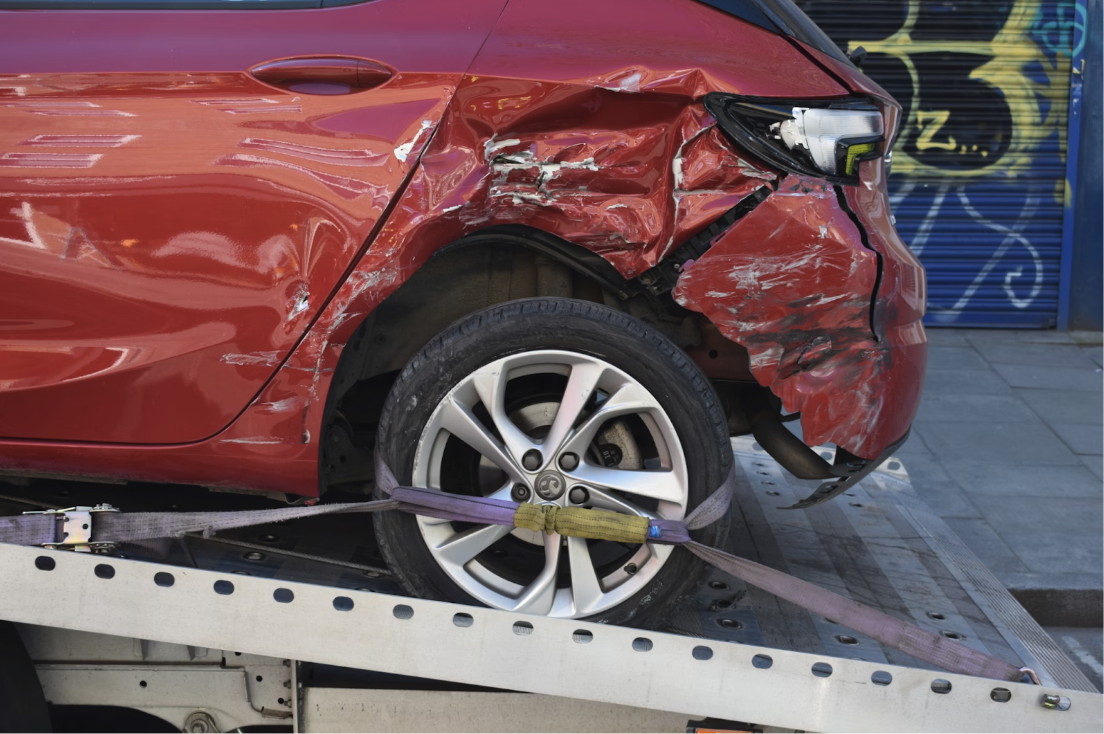
Car accidents are a serious problem in the U.S., with the statistics rising daily. Many of these accidents leave the victims with enduring effects from personal injury and property damages and their financial implications.
Virginia laws mandate that liable parties pay compensation proportionate to the victims' losses to help them cope. You can get satisfactory compensation after a car crash with the right claims. This article highlights the damages victims can claim after a crash.
4 Types of Damages You Can Claim After a Car Crash
The type of damages you are entitled to after a car accident depends on the nature of your accident and the types of losses you suffered. The level of negligence of the liable party also influences the type of damages you can claim.
There are four broad classes of damages you can claim after a car crash. This section explains what qualifies you for each and the specific compensations you can demand.
1. Economic Damages
Economic damages are the direct financial costs or losses a victim incurs after the accidents from resulting injuries or property damages. These damages are usually easy to calculate since they cover tangible losses. They are also the most popular type of damage and form the basis of most car accident claims. Under economic damages, you can file for the following claims:
- Medical expensesÂ
- Lost wages
- Property damage
- Legal fees
- Loss of earning capacity
- Diminished property value
- Rehabilitation fees
2. Non-Economic Damages
This class covers the indirect and non-financial costs of a car accident. Non-economic damages compensate for all intangible losses due to injury. Although intangible, these damages are also calculated in monetary terms. Non-economic or general damages are mostly available for serious injuries. You can request the following claims under non-economic damages:
- Emotional distress
- Mental anguish or trauma
- Pain and suffering
- Loss of enjoyment of life
- Disfigurement
- Loss of consortiumÂ
3. Punitive Damages
Punitive damages are financial compensations awarded to victims when the liable party acted in negligence or intentional misconduct to cause the accident. These damages are sometimes awarded with other damages, like economic and non-economic damages.
This compensation is usually awarded as a punishment to the liable party. It also aims to deter such conduct in the future, showing others that they will be held accountable for their actions.
Punitive damages are usually awarded to victims who qualify for it in court settlements. Punitive damage awards can sometimes exceed the economic damages awarded depending on the offender's actions and behavior.
4. Wrongful Death Damages
Survivors of car crashes can file for wrongful death damages to be compensated for the loss they suffer from losing a loved one in the accident. It can also include damages for sufferings endured by the deceased before they died.
Wrongful death lawsuits usually include economic and non-economic damages incurred from the accident until after the death of the victim for the deceased and surviving loved one. Loved ones can request the following claims under wrongful death:
- Medical expensesÂ
- Funeral expensesÂ
- Lost future income and benefitsÂ
- Pain and suffering endured before death
- Lost inheritance due to premature death
- Emotional pain endured by surviving loved ones
After learning all this, you may wonder, "do I need a lawyer for a car accident settlement?" A lawyer will help you determine all the damages you qualify for and the legal basis for each. Their expertise and experience will also benefit you when negotiating intangible damages for the best possible settlement.
Endnote
Virginia laws mandate liable parties to pay compensation to victims of car accidents. If you're a car crash victim, you can qualify for economic, non-economic, wrongful death, or punitive damages. Get an experienced lawyer to help you negotiate a satisfactory settlement after a car crash.