The Complete Guide to Construction Management: Building Success From Blueprint to Reality
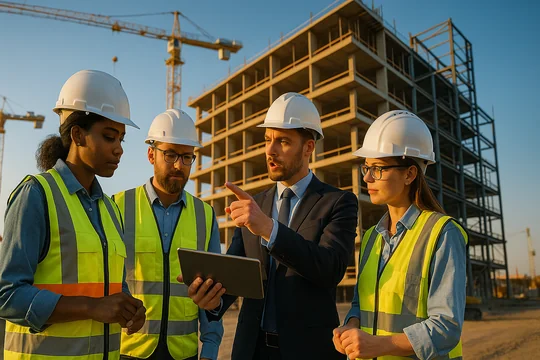
Imagine standing at a construction site where hundreds of workers, dozens of machines, and thousands of materials must come together perfectly to create a building that will stand for decades. This complex dance of coordination, planning, and execution is what construction management is all about. Whether you're building a small residential home or a towering skyscraper, effective construction management makes the difference between a successful project delivered on time and within budget, or a costly disaster that drags on for months. In today's fast-paced construction industry, understanding the principles and practices of construction management has become essential for anyone involved in building projects, from property owners to aspiring construction professionals.
What Is Construction Management?
Construction management is the professional practice of planning, coordinating, and overseeing construction projects from start to finish. Think of a construction manager as the conductor of an orchestra, ensuring every instrument plays at the right time to create beautiful music. In construction, this means coordinating architects, engineers, contractors, suppliers, and workers to transform architectural plans into physical structures.
The field of construction management combines technical knowledge with business skills. Construction managers need to understand building techniques, safety regulations, and construction methods while also managing budgets, schedules, and teams. This unique blend of skills makes construction management both challenging and rewarding.
In the United States, construction management has evolved significantly over the past century. What once relied heavily on experience and intuition now incorporates sophisticated software, data analysis, and proven management techniques. Modern construction managers use Building Information Modeling (BIM), project management software, and mobile technology to keep projects running smoothly.
The Role of a Construction Manager
A construction manager wears many hats throughout a project. Their responsibilities begin long before ground is broken and continue until the final inspection is complete. Understanding these varied responsibilities helps explain why effective construction management is so crucial to project success.
Pre-Construction Planning
Before any physical work begins, construction managers spend considerable time in the planning phase. They review architectural drawings, estimate costs, and develop detailed project schedules. This planning stage involves identifying potential challenges, securing necessary permits, and establishing relationships with subcontractors and suppliers.
During pre-construction, managers also conduct site assessments to understand local conditions, access routes, and potential environmental concerns. They work closely with architects and engineers to ensure the design is buildable and cost-effective. Any issues identified during this phase can be addressed on paper, which is far less expensive than making changes during construction.
Budget Management and Cost Control
One of the most critical aspects of construction management involves controlling project costs. Construction managers develop detailed budgets that account for labor, materials, equipment, permits, and contingencies. They must balance the desire for quality with budget constraints, finding creative solutions to deliver value without compromising safety or structural integrity.
Throughout the project, managers track expenses against the budget, identifying variances and taking corrective action when necessary. They negotiate with suppliers, manage change orders, and make decisions about resource allocation. Effective cost control requires constant vigilance and the ability to anticipate problems before they impact the bottom line.
Schedule Development and Time Management
Time is money in construction, and delays can quickly escalate costs. Construction managers create detailed project schedules using techniques like the Critical Path Method (CPM) to identify the sequence of activities that determine project duration. They coordinate multiple trades and activities, ensuring work proceeds efficiently without conflicts or delays.
Managing a construction schedule requires flexibility and problem-solving skills. Weather delays, material shortages, and unexpected site conditions can all impact timelines. Successful managers build buffers into their schedules and develop contingency plans to keep projects on track despite these challenges.
Key Phases of Construction Project Management
Understanding the distinct phases of construction project management helps organize the complex process of building. Each phase has specific objectives, deliverables, and challenges that require different management approaches and skills.
Phase 1: Project Initiation and Conception
Every construction project begins with an idea or need. During the initiation phase, construction managers work with clients to define project goals, establish budgets, and determine feasibility. This phase involves preliminary site analysis, initial cost estimates, and conceptual design development.
Key activities during initiation include conducting feasibility studies, preparing preliminary budgets, and assembling the project team. Construction managers help clients understand what's possible within their budget and timeline constraints. They also begin identifying potential risks and opportunities that could impact project success.
The initiation phase sets the foundation for everything that follows. Decisions made during this phase about project scope, quality standards, and delivery methods will influence the entire project lifecycle. Taking time to thoroughly plan during initiation can prevent costly changes and delays later.
Phase 2: Planning and Design Development
Once a project is approved, the planning phase begins in earnest. Construction managers work closely with architects and engineers as designs are developed and refined. They provide input on constructability, cost implications, and scheduling considerations to ensure designs are practical and achievable.
During planning, managers develop comprehensive project management plans covering all aspects of project execution. These plans include detailed cost estimates, resource plans, quality control procedures, and safety protocols. They also establish communication procedures and reporting systems to keep all stakeholders informed throughout the project.
The planning phase is when construction managers select subcontractors and suppliers through a bidding process. They evaluate proposals based on price, qualifications, and past performance. Building strong relationships with reliable subcontractors is essential for project success.
Phase 3: Construction Execution
The execution phase is when plans become reality. Construction managers oversee daily operations on the job site, coordinating workers, equipment, and materials. They ensure work proceeds according to plans and specifications while maintaining quality standards and safety requirements.
Daily responsibilities during execution include conducting site meetings, reviewing work progress, resolving conflicts, and managing change orders. Construction managers must be skilled communicators, able to work with diverse groups of people from different backgrounds and trades. They serve as the primary point of contact between the construction team and project stakeholders.
Safety management is paramount during execution. Construction managers implement safety programs, conduct regular safety meetings, and ensure compliance with Occupational Safety and Health Administration (OSHA) regulations. They create a culture of safety where every worker understands their responsibility for maintaining a safe work environment.
Phase 4: Project Monitoring and Control
Throughout construction, managers continuously monitor progress against plans and take corrective action when necessary. This involves tracking schedule performance, cost variances, quality metrics, and safety statistics. Modern construction management relies heavily on data and analytics to identify trends and predict potential problems.
Regular reporting keeps stakeholders informed about project status. Construction managers prepare progress reports, financial updates, and schedule analyses for owners, investors, and other interested parties. Clear, accurate communication helps maintain trust and enables informed decision-making.
Quality control is an ongoing process during construction. Managers conduct regular inspections, review test results, and ensure work meets specifications. They coordinate with building inspectors and other regulatory authorities to obtain necessary approvals and certificates.
Phase 5: Project Closure and Handover
As construction nears completion, managers shift focus to project closure activities. This includes conducting final inspections, completing punch lists, and obtaining certificates of occupancy. They coordinate the commissioning of building systems and ensure all equipment operates properly.
The handover process involves transferring the completed project to the owner along with all necessary documentation. This includes warranties, operating manuals, as-built drawings, and maintenance requirements. Construction managers often provide training to facility managers and maintenance staff on building systems and equipment.
Even after handover, construction managers may remain involved during the warranty period to address any defects or issues that arise. They conduct post-project reviews to identify lessons learned and improve future performance.
Essential Skills for Construction Management Success
Success in construction management requires a diverse skill set combining technical knowledge, business acumen, and interpersonal abilities. Understanding these essential skills helps aspiring construction managers focus their professional development efforts.
Technical Expertise and Construction Knowledge
Construction managers must understand building systems, construction methods, and materials. This technical knowledge enables them to read blueprints, evaluate work quality, and make informed decisions about construction techniques. They need familiarity with structural systems, mechanical and electrical systems, and finishing trades.
Staying current with building codes and regulations is essential. Construction managers must ensure projects comply with local, state, and federal requirements. This includes understanding zoning laws, environmental regulations, accessibility standards, and safety codes. Regular training and professional development help managers stay updated on changing regulations.
Technology skills have become increasingly important in modern construction management. Managers use specialized software for scheduling, estimating, and project management. Building Information Modeling (BIM) has revolutionized how projects are planned and coordinated. Mobile apps and cloud-based platforms enable real-time communication and data sharing across project teams.
Leadership and Team Management
Construction projects involve large, diverse teams working toward common goals. Effective leadership skills enable construction managers to motivate teams, resolve conflicts, and maintain productivity. They must be able to delegate responsibilities while maintaining overall project control.
Building trust and respect among team members is crucial. Construction managers lead by example, demonstrating professionalism, integrity, and commitment to project success. They create inclusive environments where all team members feel valued and heard. This collaborative approach improves morale and productivity.
Conflict resolution skills are essential given the high-pressure nature of construction projects. Managers must address disputes between trades, negotiate with suppliers, and manage client expectations. The ability to find win-win solutions while maintaining professional relationships is invaluable.
Communication and Interpersonal Skills
Clear communication is perhaps the most critical skill for construction managers. They must convey complex technical information to diverse audiences, from skilled tradespeople to corporate executives. Written communication skills are essential for preparing reports, contracts, and correspondence.
Active listening helps managers understand concerns and identify potential problems before they escalate. They must be approachable and available, creating open channels of communication throughout the project team. Regular communication prevents misunderstandings and keeps everyone aligned with project goals.
Cultural sensitivity and awareness are increasingly important as construction teams become more diverse. Managers must be able to work effectively with people from different backgrounds, respecting cultural differences while maintaining project standards and requirements.
Financial and Business Acumen
Construction management is fundamentally a business endeavor. Managers must understand financial principles, including cash flow management, profit margins, and return on investment. They analyze financial reports, prepare budgets, and make decisions with financial implications.
Contract management skills are essential for protecting project interests. Construction managers must understand different contract types, payment terms, and legal obligations. They negotiate change orders, resolve claims, and ensure contractual compliance throughout the project.
Risk management involves identifying potential problems and developing mitigation strategies. Construction managers assess risks related to safety, schedule, cost, and quality. They purchase appropriate insurance, implement safety programs, and develop contingency plans to protect against potential losses.
Technology and Tools in Modern Construction Management
The construction industry has embraced technology to improve efficiency, accuracy, and collaboration. Modern construction managers leverage various tools and platforms to manage complex projects more effectively than ever before.
Building Information Modeling (BIM)
BIM has transformed how construction projects are designed and managed. This technology creates detailed 3D models that include not just geometric information but also data about materials, costs, and schedules. Construction managers use BIM to detect conflicts before construction begins, saving time and money.
BIM facilitates better collaboration among project stakeholders. Architects, engineers, and contractors can work from the same model, ensuring everyone has access to current information. This reduces errors and miscommunication that often plague construction projects. The visual nature of BIM also helps clients better understand project designs.
Advanced BIM applications include 4D scheduling, which adds time to the 3D model, and 5D estimating, which incorporates cost data. These tools help construction managers optimize schedules and budgets while identifying potential issues early in the project lifecycle.
Project Management Software Solutions
Specialized construction project management software has replaced paper-based systems in most modern construction companies. These platforms integrate scheduling, budgeting, document management, and communication tools in one system. Cloud-based solutions enable real-time access to project information from anywhere.
Popular features include Gantt charts for schedule visualization, resource planning tools, and automated reporting capabilities. Mobile apps allow field personnel to update progress, report issues, and access drawings directly from the job site. This immediate access to information improves decision-making and reduces delays.
Integration capabilities allow project management software to connect with other business systems like accounting, estimating, and customer relationship management platforms. This integration eliminates duplicate data entry and provides comprehensive project visibility across the organization.
Mobile and Cloud Technologies
Smartphones and tablets have become essential tools on construction sites. Field workers use mobile devices to access drawings, report progress, conduct safety inspections, and communicate with project teams. Photos and videos captured on-site provide valuable documentation of work progress and site conditions.
Cloud storage ensures project documents are always current and accessible. Version control prevents confusion about which drawings or specifications are current. Team members can collaborate on documents in real-time, streamlining review and approval processes.
Mobile apps for specific construction tasks continue to proliferate. Apps for safety inspections, quality control, time tracking, and equipment management help standardize processes and improve data collection. The ability to work offline and sync when connected is crucial for job sites with limited internet connectivity.
Common Challenges in Construction Management
Despite careful planning and professional management, construction projects face numerous challenges. Understanding these common issues helps managers prepare effective strategies to overcome them.
Managing Multiple Stakeholders
Construction projects involve numerous stakeholders with different interests and priorities. Owners want quality projects delivered quickly and economically. Contractors seek fair profits and efficient operations. Regulatory authorities enforce compliance with codes and standards. Community members may have concerns about noise, traffic, and environmental impacts.
Balancing these competing interests requires diplomatic skills and creative problem-solving. Construction managers must maintain open communication channels with all stakeholders while protecting project objectives. Regular stakeholder meetings, clear reporting, and proactive issue resolution help maintain positive relationships.
Stakeholder management becomes more complex on public projects where transparency and accountability requirements are heightened. Construction managers must navigate political considerations while maintaining focus on project delivery.
Dealing with Weather and Site Conditions
Weather remains one of the most unpredictable challenges in construction. Rain, snow, extreme temperatures, and high winds can all impact construction schedules and worker safety. Construction managers must develop flexible schedules that account for seasonal weather patterns while maintaining overall project timelines.
Unexpected site conditions can significantly impact project costs and schedules. Hidden utilities, contaminated soil, or unstable ground conditions may not be discovered until construction begins. Thorough site investigations during planning help identify potential issues, but surprises still occur.
Climate change has introduced new challenges with more frequent extreme weather events. Construction managers must consider long-term climate trends when planning projects and incorporate resilience measures into designs. This includes planning for more intense storms, higher temperatures, and changing precipitation patterns.
Labor Shortages and Workforce Development
The construction industry faces significant labor shortages across many trades. Skilled workers are aging out of the workforce faster than new workers are entering. This shortage drives up labor costs and can impact project schedules when qualified workers aren't available.
Construction managers must be creative in addressing workforce challenges. This includes partnering with trade schools and apprenticeship programs to develop future workers. Some companies offer training programs to develop skills internally. Retention strategies like competitive compensation, career development opportunities, and positive work environments help keep skilled workers.
Technology adoption can help address labor shortages by improving productivity. Prefabrication and modular construction reduce on-site labor requirements. Automation and robotics are beginning to handle repetitive tasks. However, these solutions require investment and changes to traditional construction methods.
Material Management and Supply Chain Issues
Global supply chains have become increasingly complex and vulnerable to disruption. The COVID-19 pandemic highlighted these vulnerabilities with widespread material shortages and price volatility. Construction managers must navigate these challenges while maintaining project schedules and budgets.
Long lead times for certain materials require careful planning and early procurement. Construction managers must balance the cost of storing materials against the risk of delays from late deliveries. Just-in-time delivery strategies work well when supply chains are stable but can cause problems during disruptions.
Price escalation clauses in contracts help protect against material cost increases, but they don't solve availability issues. Construction managers may need to identify alternative materials or modify designs when specified products aren't available. Strong relationships with multiple suppliers provide flexibility when primary sources face challenges.
Best Practices for Effective Construction Management
Successful construction managers follow proven best practices that improve project outcomes. These practices have been developed through years of industry experience and continuous improvement efforts.
Comprehensive Planning and Preparation
Thorough planning is the foundation of successful construction projects. This goes beyond creating schedules and budgets to include detailed execution strategies for every aspect of the project. Construction managers who invest time in planning face fewer surprises during construction.
Effective planning involves all project stakeholders to ensure buy-in and identify potential issues early. Collaborative planning sessions bring together diverse perspectives and expertise. This inclusive approach improves plan quality and team commitment to project goals.
Contingency planning prepares teams for potential problems. Construction managers develop response plans for common risks like weather delays, material shortages, or design changes. Having predetermined responses speeds decision-making when issues arise.
Strong Documentation and Record Keeping
Detailed documentation protects all parties and provides valuable reference information throughout the project lifecycle. Daily reports, meeting minutes, correspondence, and change orders create a comprehensive project record. This documentation is invaluable for resolving disputes and claims.
Photo and video documentation has become increasingly important. Visual records of work progress, site conditions, and completed work provide indisputable evidence of project status. Time-stamped, geo-tagged photos are particularly valuable for verification purposes.
Digital documentation systems improve organization and accessibility. Cloud-based document management ensures records are secure and available when needed. Search capabilities help quickly locate specific information in large document libraries.
Regular Communication and Meetings
Consistent communication keeps projects running smoothly. Regular meetings provide forums for discussing progress, addressing issues, and coordinating upcoming work. Different meeting types serve different purposes, from daily huddles for immediate coordination to weekly progress meetings for broader updates.
Effective meetings have clear agendas, defined outcomes, and action items with responsible parties and due dates. Meeting minutes document decisions and commitments. Follow-up ensures action items are completed.
Communication plans define who needs what information and when. This prevents information overload while ensuring critical updates reach the right people. Multiple communication channels accommodate different preferences and urgency levels.
Safety First Culture
Safety must be the top priority on every construction project. This requires more than just compliance with regulations; it requires creating a culture where every person takes responsibility for safety. Construction managers set the tone through their actions and decisions.
Comprehensive safety programs include training, regular inspections, and incident investigation. Near-miss reporting helps identify potential hazards before accidents occur. Recognition programs reward safe behavior and reinforce the importance of safety.
Investment in safety equipment and training pays dividends through reduced accidents, lower insurance costs, and improved productivity. Workers who feel safe are more productive and engaged. A strong safety record also helps attract quality workers and win future projects.
Future Trends in Construction Management
The construction industry continues to evolve with new technologies, methods, and approaches to project delivery. Understanding emerging trends helps construction managers prepare for the future and remain competitive.
Sustainable and Green Building Practices
Environmental sustainability has become a major focus in construction. Green building certifications like LEED (Leadership in Energy and Environmental Design) are increasingly common requirements. Construction managers must understand sustainable construction practices and their impact on project planning and execution.
Sustainable construction involves more than just using eco-friendly materials. It includes minimizing waste, reducing energy consumption during construction, and protecting natural resources. Construction managers coordinate recycling programs, implement erosion control measures, and ensure proper handling of hazardous materials.
Life-cycle thinking considers the long-term environmental impact of building decisions. Construction managers work with designers to select materials and systems that minimize environmental impact over the building's entire life. This may involve higher initial costs but provides long-term benefits through reduced operating costs and environmental impact.
Automation and Artificial Intelligence
Automation is beginning to transform construction sites. Robotic equipment can perform repetitive tasks like bricklaying or rebar tying with greater speed and precision than human workers. Drones conduct site surveys and inspections more quickly and safely than traditional methods.
Artificial intelligence helps construction managers make better decisions through predictive analytics and pattern recognition. AI algorithms can analyze project data to predict potential delays, identify safety risks, and optimize resource allocation. Machine learning improves these predictions over time as more data becomes available.
While automation and AI won't replace human construction managers, they will change how managers work. Future construction managers will need to understand these technologies and how to integrate them effectively into project workflows. The human skills of leadership, communication, and creative problem-solving will become even more valuable as routine tasks are automated.
Modular and Prefabricated Construction
Off-site construction methods continue to gain popularity due to their efficiency and quality benefits. Modular construction involves building major components in controlled factory environments, then assembling them on-site. This approach reduces weather delays, improves quality control, and can significantly shorten construction schedules.
Construction managers working with modular construction must coordinate factory production with site preparation. This requires different scheduling approaches and logistics management. Transportation and crane operations become critical path activities that must be carefully planned.
The shift toward modular construction is changing traditional trade relationships and project delivery methods. Construction managers must adapt their management approaches to accommodate these new methods while maintaining quality and safety standards.
Career Paths in Construction Management
Construction management offers diverse career opportunities for professionals with different interests and skills. Understanding available career paths helps individuals plan their professional development and advancement strategies.
Entry-Level Positions
Most construction management careers begin with entry-level positions that provide hands-on experience with construction operations. Assistant project managers support senior managers while learning project management skills. Field engineers handle technical tasks like surveying, quality control, and documentation.
Estimator positions offer another entry path, focusing on cost analysis and bid preparation. These roles develop the analytical and detail-oriented skills essential for construction management. Project coordinators handle administrative tasks while gaining exposure to all aspects of project management.
Many entry-level professionals come from construction management degree programs that combine classroom learning with practical experience through internships. Others transition from trade backgrounds, leveraging their technical expertise while developing management skills.
Mid-Level Management Roles
With experience, construction professionals advance to roles with greater responsibility. Project managers lead individual projects from start to finish, managing all aspects of delivery. They coordinate teams, control budgets, and ensure project objectives are met.
Specialized roles emerge at the mid-level, including safety managers, quality control managers, and scheduling specialists. These positions require deep expertise in specific aspects of construction management. Some professionals choose specialization while others prefer the variety of general project management.
Superintendent roles focus on field operations, managing daily construction activities on-site. These positions require strong technical knowledge and leadership skills. Superintendents often advance from trade backgrounds, combining practical experience with management capabilities.
Senior Management Opportunities
Senior construction managers oversee multiple projects or large, complex projects. They focus on strategic planning, business development, and client relationships. Program managers coordinate related projects to achieve broader organizational objectives.
Executive positions include construction company owners, vice presidents, and division managers. These roles involve business strategy, financial management, and organizational leadership. Many senior managers start their own construction or consulting companies, leveraging their experience and industry relationships.
Consulting offers another senior-level path for experienced construction managers. Consultants provide expertise on specific issues like claims analysis, scheduling, or project recovery. This path offers variety and the opportunity to work on diverse, challenging projects.
Professional Development and Certifications
Continuous learning is essential for career advancement in construction management. Professional certifications demonstrate expertise and commitment to the profession. The Project Management Professional (PMP) certification from the Project Management Institute is widely recognized across industries.
The Construction Manager in Training (CMIT) and Certified Construction Manager (CCM) certifications specifically focus on construction management competencies. These credentials require education, experience, and examination, providing third-party validation of professional capabilities.
Advanced education through master's degrees in construction management, business administration, or related fields can accelerate career advancement. Many programs offer evening or online options to accommodate working professionals. Executive education programs provide targeted learning opportunities for senior managers.
Conclusion
Construction management stands at the intersection of art and science, combining technical expertise with human skills to transform architectural visions into physical reality. As we've explored throughout this comprehensive guide, successful construction management requires mastery of multiple disciplines, from financial management and scheduling to safety oversight and stakeholder communication.
The field continues to evolve with technological advances, changing regulations, and new delivery methods. Yet the fundamental principles remain constant: thorough planning, clear communication, strong leadership, and unwavering commitment to safety and quality. Construction managers who embrace both innovation and these core principles will find themselves well-positioned for success in this dynamic industry.
For those considering a career in construction management, the opportunities are vast and varied. The industry needs skilled professionals who can navigate complexity, lead diverse teams, and deliver projects that meet society's infrastructure needs. While the challenges are real, from labor shortages to supply chain disruptions, the satisfaction of seeing a project progress from concept to completion makes construction management a rewarding career choice.
The future of construction management looks bright with continued growth in construction spending, infrastructure investment, and technological innovation. As buildings become smarter and construction methods more sophisticated, the role of construction managers will become even more critical. Those who invest in developing their skills, staying current with industry trends, and building strong professional networks will find abundant opportunities for career growth and professional satisfaction.
Whether you're a property owner seeking to understand the construction process, a professional looking to transition into construction management, or a current manager seeking to refine your skills, the principles and practices outlined in this guide provide a solid foundation for success. Remember that construction management is ultimately about people – coordinating their efforts, protecting their safety, and helping them achieve common goals. Master these human elements alongside technical skills, and you'll be well-equipped to manage successful construction projects of any size or complexity.
The built environment shapes how we live, work, and interact with each other. Construction managers play a vital role in creating this environment, ensuring projects are delivered safely, efficiently, and sustainably. It's a responsibility that requires dedication, skill, and continuous learning, but one that offers the unique satisfaction of creating lasting contributions to communities and society.