Common Railcar Inspection Failures and How to Avoid Them
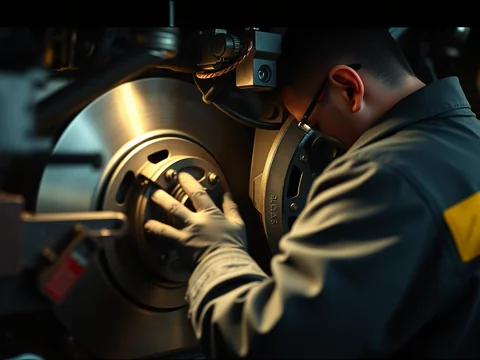
When it comes to railcar maintenance, inspections are critical. They're the backbone of keeping the entire rail system safe, reliable, and efficient. But let's face it"”railcar inspection failures are more common than you might think, and they can lead to costly delays or even dangerous situations. The good news? Most of these failures can be avoided with the right knowledge and attention to detail.
In this blog post, we'll walk through some of the most common railcar inspection failures, explaining why they happen and, most importantly, how you can steer clear of them. Whether you're directly involved in railcar maintenance or just curious about the process, this guide will give you the insight you need.
The Importance of Regular Inspections
Before diving into specific failures, it's crucial to understand why regular inspections matter so much. Railcars are subjected to extreme conditions"”harsh weather, heavy loads, and constant wear and tear. Even the smallest defect, if left unchecked, can escalate into a serious problem. Regular inspections are like the pulse check of the railcar industry"”they help catch issues early, ensuring that railcars remain safe and operational. Check out the VLS Environmental Solutions checklist for a comprehensive overview of the steps you should be taking, and you can always contact experts like this if you spot anything that's not quite right.
Common Railcar Inspection Failures
Now, let's break down some of the most common inspection failures that can occur.
1. Brake System Failures
One of the most critical components of any railcar is its brake system. Failure in this area is not just an inconvenience; it's a major safety hazard. Common issues include:
- Worn Brake Pads - Over time, brake pads wear down, reducing their effectiveness. If not replaced promptly, they can lead to longer stopping distances or brake failure.
- Air Hose Leaks - The brake system relies on air pressure. Leaks in the air hoses can reduce braking power or cause a complete failure.
- Misaligned Brake Shoes - If the brake shoes are not aligned correctly, they can wear unevenly or fail to engage properly, compromising the entire braking system.
How to Avoid It: Regularly check the condition of brake pads, air hoses, and brake shoes. Look for signs of wear and tear, leaks, or misalignment. Replacing worn components before they fail is key.
2. Wheel Defects
Wheels bear the brunt of the railcar's weight and are constantly in contact with the tracks. Common wheel-related inspection failures include:
- Flat Spots - Caused by sliding wheels during braking, flat spots can lead to uneven wear and tear, causing vibrations and noise during operation.
- Out-of-Round Wheels - This occurs when wheels become deformed, which can result in poor ride quality and increased stress on the railcar.
- Cracks and Fractures - Wheels with cracks or fractures are at risk of catastrophic failure, which could lead to derailments.
How to Avoid It: Conduct thorough inspections of the wheels, paying close attention to the condition of the treads, and checking for any signs of flat spots, deformation, or cracks. Regular maintenance and early intervention can prevent these issues from escalating.
3. Coupler Issues
The coupler is the mechanism that connects railcars, allowing them to move as one unit. Failures in this area can disrupt the entire train's operation. Common problems include:
- Worn Coupler Knuckles - These are the parts of the coupler that interlock with another coupler. When they wear down, they can disconnect during transit.
- Misaligned Couplers - Misalignment can prevent proper coupling or cause undue stress on the system, leading to wear and tear.
- Broken Draft Gear - The draft gear absorbs the shock between connected railcars. If it's broken, the impact forces can damage the railcars or cause a separation.
How to Avoid It: Regularly inspect the couplers for wear and alignment. Ensure that the draft gear is functioning correctly and replace any worn or damaged parts immediately.
4. Structural Integrity Failures
Railcars endure a lot of stress, and their structural components can fail if not properly maintained. Common structural issues include:
- Corrosion - Over time, rust and corrosion can weaken the metal components of a railcar, leading to structural failure.
- Cracks in the Frame - Cracks can develop due to metal fatigue, impacting the overall integrity of the railcar.
- Loose or Missing Fasteners - Bolts, screws, and other fasteners can come loose or go missing, leading to components shifting or failing.
How to Avoid It: Inspect the railcar's structure for signs of rust, corrosion, and cracks. Make sure all fasteners are tight and in place. Addressing these issues early can prevent major failures down the line.
Proactive Measures to Prevent Failures
So, how can you ensure these common failures don't catch you off guard? Here are some proactive steps to take:
Scheduled Maintenance
Stick to a regular maintenance schedule, even if everything seems fine. Prevention is better (and cheaper) than repair.
Detailed Inspections
Don't just go through the motions. Pay attention to the details during inspections. Use a checklist to ensure nothing is overlooked.
Training and Awareness
Make sure everyone involved in railcar maintenance is properly trained and understands the importance of thorough inspections.
Use of Technology
Consider incorporating technology like sensors or monitoring systems that can detect potential failures before they become critical.
Staying Ahead of Railcar Inspection Failures
Railcar inspection failures are common, but they don't have to be inevitable. By understanding the most frequent issues and taking proactive steps to address them, you can keep your railcars in top shape and avoid costly repairs or dangerous situations. Remember, the key is in the details"”regular inspections, proper maintenance, and a keen eye can make all the difference.