Rack 'Em Right: The Jaw-Dropping Reason Why Experts Swear By Chalking a Pool Stick!
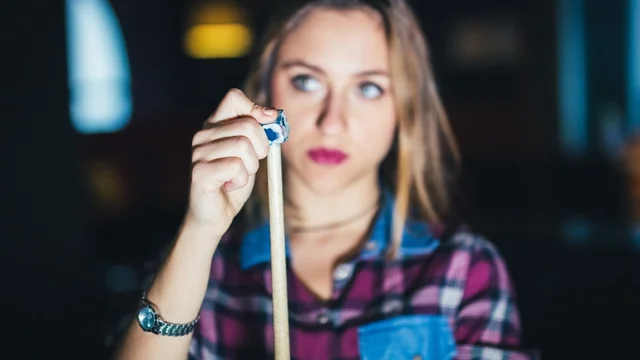
Hey there, fellow pool enthusiasts! If you've ever wondered why on earth people are tapping that little cube of chalk on the end of their pool sticks, you're in the right place. Chalking a pool stick is more than just a quirky ritual; it's a crucial element in enhancing your game. Let's dive into the world of chalk and find out why it's an absolute game-changer.
The Basics: Understanding the Pool Stick Tip
Composition of Pool Stick Tips
First things first, let's talk about that small but mighty part at the end of your cue stick "“ the tip. Whether it's made of leather, phenolic, or layered pigskin, the tip plays a pivotal role in your game. It's the point of contact between your cue stick and the cue ball, and it needs a bit of love and care.
The Role of Friction in Cue Ball Control
Now, let's get a bit science-y (don't worry, I'll keep it light). Ever wonder how you make that cue ball dance around the table with precision? It's all about friction. When your cue stick tip grips the cue ball just right, you get the control you need for those jaw-dropping shots.
Vulnerability of the Tip to Wear and Tear
Here's where things get interesting. Your tip is like the tread on your car tires "“ it wears down over time. The more you play, the more it grinds away. And that's where chalking steps in to save the day.
Why Chalk Matters
Ensuring Consistent Friction
Chalking your cue stick ensures there's enough friction between the tip and the cue ball. It's like putting fresh batteries in a remote "“ suddenly, everything works smoother. Without proper chalking, your shots might lose accuracy, and who wants to blame a missed shot on a lack of chalk?
Minimizing the Risk of Miscues
Miscues are the bane of a pool player's existence. Picture this: You line up the perfect shot, confident in your skills, and then "“ oops! The cue stick slips, and your shot goes haywire. Chalking significantly reduces the chances of these embarrassing miscues, saving you from moments of pool table humiliation.
Extending the Lifespan of the Pool Stick Tip
Think of chalking as sunscreen for your cue stick tip. It protects against the harsh UV rays of friction, slowing down the inevitable wear and tear. A well-chalked tip means a longer lifespan for your trusty cue stick.
Types of Chalk
Traditional Chalk vs. Advanced Formulations
Alright, let's talk chalk options. You've got your traditional chalk "“ the one your granddad probably used. Then there are these advanced formulations claiming to revolutionize the game. It's like choosing between classic rock and the latest pop hits "“ both have their merits, but personal preference matters.
Differences in Particle Size and Texture
Ever thought about the size of those chalk particles? Probably not, but it matters. Finer particles tend to grip the cue ball better, providing that extra oomph to your shots. It's like upgrading from regular coffee to a finely ground, high-quality roast "“ more flavor, more kick.
Selecting the Right Chalk for Your Playing Style
Choosing the right chalk isn't a one-size-fits-all situation. Some players swear by one brand, while others stick to a specific type. It's a bit like finding your favorite pizza topping "“ it's personal. Experiment with different chalks and see which one gives you the control and confidence you crave.
Proper Chalking Technique
Frequency of Chalking During a Game
Let's talk technique. How often should you chalk up during a game? The answer might surprise you "“ more than you think. Every few shots is a good rule of thumb. It's like taking a sip of water during a workout "“ stay hydrated, stay sharp.
Applying the Right Amount of Chalk
Ever seen someone chalk their cue like they're in a speed-chalking competition? Not necessary. A few deliberate strokes with the chalk cube are plenty. Too much chalk can be just as problematic as too little. It's like seasoning food "“ a sprinkle is good, a whole salt shaker, not so much.
Ensuring Even Coverage on the Entire Tip
Here's a pro tip: Make sure you cover the entire tip evenly. You wouldn't put sunscreen on only one arm, right? An unevenly chalked tip can lead to inconsistent shots. Take a few extra seconds to ensure every part of the tip gets some love.
Common Mistakes in Chalking
Over-chalking and Its Consequences
Now, let's address a common pitfall "“ over-chalking. It might seem counterintuitive, but too much chalk can create a filmy layer on the cue ball, affecting your shot accuracy. It's like using too much hair product "“ you want to enhance, not drown in it.
Under-chalking and the Risk of Miscues
On the flip side, under-chalking is a recipe for disaster. Without sufficient chalk, your cue stick can slip, leading to those cringe-worthy miscues we talked about earlier. It's like trying to run a marathon in flip-flops "“ not the best idea.
Using Low-Quality or Worn-Out Chalk
Investing in good quality chalk is like putting premium fuel in your car. Low-quality or worn-out chalk won't provide the necessary grip, and your shots will suffer. It's worth spending a little extra on chalk "“ think of it as a gift to your cue stick.
Maintaining Your Pool Stick
Regular Cleaning and Maintenance Routine
Taking care of your cue stick is like maintaining a cherished possession. Regularly clean the shaft and, most importantly, the tip. A clean tip ensures better chalk adherence and, in turn, better shots. It's like giving your cue stick a spa day "“ it deserves it.
Avoiding Damaging Habits that Affect the Tip
Bad habits die hard, especially if they're damaging your cue stick. Avoid practices like tapping the cue stick on the edge of the table "“ it might feel cool, but it's tough on your tip. It's like avoiding the urge to pop bubble wrap "“ satisfying but not the best for what's inside.
Seeking Professional Re-Tipping When Necessary
If your tip starts resembling a flat tire, it's time for professional help. Re-tipping might sound drastic, but it can breathe new life into your cue stick. It's like getting a tune-up for your car "“ you'll notice the difference.
Expert Tips for Improved Performance
Observing Experienced Players and Their Chalking Habits
Ever noticed how the pros chalk up? Watch and learn. Experienced players often have refined chalking rituals that contribute to their success. It's like stealing the secret ingredient from a master chef "“ make it your own.
Incorporating Chalking into a Pre-Shot Routine
Make chalking a part of your pre-shot routine. It not only ensures you're always ready for action but also adds a psychological edge. It's like psyching yourself up before a big presentation "“ preparation meets confidence.
Adjusting Chalk Selection Based on Playing Conditions
Consider the playing conditions when choosing your chalk. Humid environments might require a different type of chalk compared to a dry room. It's like dressing appropriately for the weather "“ adapt to your surroundings for optimal performance.
Conclusion: A Cue Stick's Best Friend
In conclusion, chalking a pool stick is not just a tradition; it's a science-backed practice that can elevate your game. From ensuring consistent friction to preventing embarrassing miscues, chalking is your cue stick's best friend. So, the next time you're at the pool table, don't skip the chalk "“ your shots will thank you. Happy cueing!