Can You Lay on Your Stomach While Pregnant? Everything You Need to Know
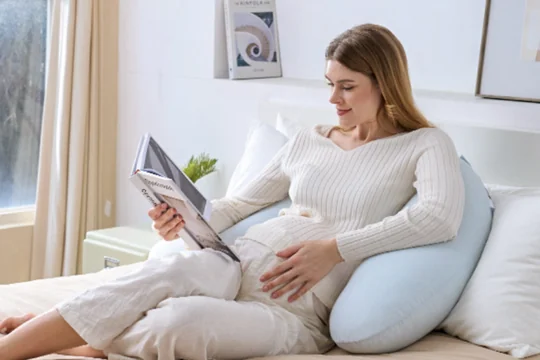
Lying on your stomach is a natural, comfortable sleeping position for many people, especially before pregnancy. However, once you’re expecting, you may start wondering: Is it still safe to lay on your stomach pregnant? These concerns are extremely common among moms-to-be, especially as their bodies begin to change. Understanding what’s safe and when to modify your position can help you rest easier throughout your pregnancy.
If you’re transitioning away from stomach sleeping or simply seeking more comfort, using supportive tools like maternity pillows can make a huge difference. They provide cushioning, improve alignment, and help reduce pressure as your bump grows. This guide breaks down everything you need to know—from your first trimester to the final weeks—so you can sleep with confidence.
The First Trimester Green Light: When Stomach Sleeping Is Completely Safe and Comfortable
During the first trimester, most women can comfortably and safely continue sleeping on their stomach. At this stage, the uterus is still small and protected beneath the pelvic bone, which shields the embryo from external pressure. Most specialists agree that lying on your stomach early in pregnancy does not harm the baby and is perfectly acceptable as long as you feel good doing it.
Many women also experience breast tenderness during early pregnancy, which may naturally discourage stomach sleeping even before it becomes physically difficult. Listen to your comfort level—your body will guide you long before safety becomes a concern.
The Natural Transition: How Your Growing Bump Forces a Change in Position
As your pregnancy progresses, your bump begins to grow and naturally makes stomach sleeping uncomfortable. By the end of the first trimester or early in the second, many mothers find they simply can’t lie flat on their stomach anymore—not because it’s dangerous, but because it’s physically awkward and may cause pressure or strain.
This gradual shift is normal. Your body gently transitions you toward safer and more comfortable sleeping positions.
Safety Through Cushioning: Why the Uterus Protects the Baby in Early Pregnancy
It’s completely normal for expecting mothers to worry that lying on their stomach might accidentally “press” or “squish” the baby. The good news is that, during early pregnancy, this simply cannot happen. The uterus is naturally engineered to keep your developing baby safe, even when external pressure is applied.
Multiple Layers of Protection Are Built In
Your baby is surrounded by several protective layers that act like a biological cushion:
-
Amniotic fluid – absorbs shock, distributes pressure evenly, and keeps the embryo floating safely.
-
Thick uterine walls – strong, muscular layers designed to flex and stretch without compromising safety.
-
Pelvic bones – provide structural protection and prevent direct pressure from reaching the uterus.
-
Abdominal muscles and soft tissue – add additional cushioning and help disperse surface pressure.
Together, these layers work like a protective cocoon, similar to a well-padded bubble. Even if you lie on your stomach, these natural barriers prevent any harmful compression.
When Discomfort Kicks In: Identifying the Signal to Stop Lying Flat on Your Tummy
By mid-pregnancy, most women stop stomach sleeping simply because it no longer feels right. You may notice:
-
Pressure on breasts or abdomen
-
Difficulty balancing your body
-
Strain on the lower back
-
A feeling of heaviness or restricted breathing
These signals indicate it's time to switch positions and support your belly in a way that reduces strain on your spine and hips.
The Mid-Pregnancy Pivot: Shifting to Side Sleeping as the Preferred Position
By the second trimester, healthcare providers often recommend side sleeping—especially the left side—as it improves circulation to the placenta and helps maximize oxygen flow to the baby. Side sleeping also reduces pressure on major blood vessels like the vena cava, which can become compressed when lying flat on your back.
Side sleeping offers benefits such as:
-
Better digestion
-
Reduced swelling
-
Improved heart function
-
Enhanced blood flow to uterus and kidneys
This is usually when maternity sleep support becomes the most helpful.
Using Support Systems: Pillows and Props to Ease the Switch Away from Your Stomach
Switching sleeping positions can feel challenging if you’ve been a lifelong stomach sleeper. Fortunately, supportive tools—especially maternity pillows—can help your body adapt more comfortably.
These pillows:
-
Support the belly as it grows
-
Align the hips and reduce pelvic pain
-
Prevent rolling onto your stomach or back while asleep
-
Ease back pressure and improve overall sleep quality
You can try:
-
C-shaped pillows for full body support
-
U-shaped pillows for 360-degree comfort
-
Wedges for targeted belly or back support
The right pillow can make side sleeping feel just as natural as your previous stomach position.
Differentiation: Stomach Sleeping vs. The Risks of Lying Flat on Your Back (Supine Position)
It’s important to distinguish between stomach sleeping and sleeping flat on your back. While stomach sleeping becomes physically impossible later in pregnancy, lying flat on your back can pose risks after the first trimester because it compresses major blood vessels, potentially reducing blood flow and causing dizziness, shortness of breath, or lowered blood pressure.
Stomach sleeping does not cause these issues—the transition away from it is driven by comfort, not major medical risk.
Consulting Your Care Provider: Personalized Guidance on Sleep Positions Throughout Pregnancy
Every pregnancy is different. If you experience pain, dizziness, shortness of breath, or difficulty finding a comfortable sleeping position, your healthcare provider can offer personalized guidance. They may recommend sleep aids, safe positional adjustments, or strategies to relieve pressure during rest.
Never hesitate to reach out if something feels off—your comfort and peace of mind matter.
Conclusion
It is completely normal to wonder whether you can safely lay on your stomach pregnant, especially as your bump grows and your sleep patterns shift. In early pregnancy, stomach sleeping is generally safe and often comfortable. As your body changes, your natural discomfort—not danger—will signal when it’s time to switch positions.
Most women transition to side sleeping during the second trimester, where comfort and circulation are best supported. Tools like maternity pillows can make this transition smoother by supporting your belly, hips, and back. Ultimately, your body will guide you into what feels right, and with the right support, you can continue sleeping soundly and safely throughout your pregnancy.