ByteDance Seedance 2.0: Hollywood Fights Back as Compute Limits Choke Demand
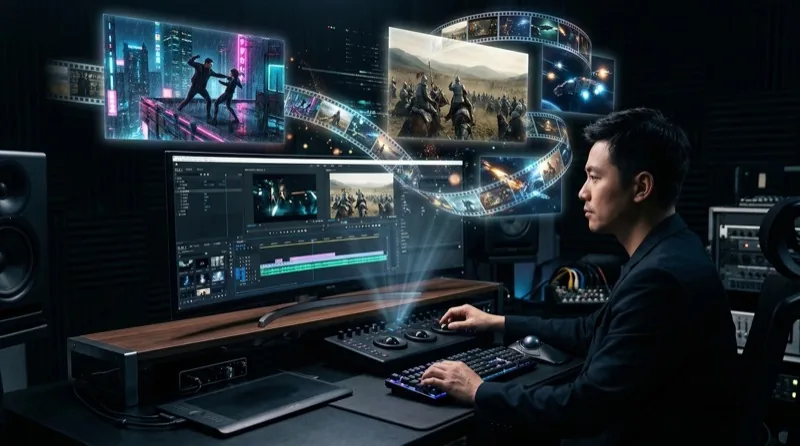
ByteDance's Seedance 2.0 AI video generator launched with massive hype and immediately ran into two walls: Hollywood's legal teams and its own compute limitations. The model, which can generate 15-second videos from text prompts, has sparked cease-and-desist letters from Disney, Paramount, and the Motion Picture Association — while simultaneously struggling to keep up with user demand.
Hollywood Declares War
The backlash was swift and coordinated. Within a day of Seedance 2.0's launch, users were generating videos featuring Spider-Man, Darth Vader, Baby Yoda, and other copyrighted characters with minimal effort. The Motion Picture Association's CEO Charles Rivkin accused ByteDance of engaging "in unauthorized use of U.S. copyrighted works on a massive scale."
Disney sent a cease-and-desist letter calling the situation a "virtual smash-and-grab of Disney's IP," while Paramount claimed the AI-generated content was "often indistinguishable, both visually and audibly" from its original films and TV shows. SAG-AFTRA, the actors' union, condemned "the blatant infringement enabled by ByteDance's new AI video model."
Compute Bottleneck
Beyond the legal storm, Seedance 2.0 faces a more fundamental problem: ByteDance doesn't have enough compute power to meet demand. Heavy usage has strained the company's infrastructure, forcing users to wait hours to generate a single video. U.S. chip export restrictions on China have made it difficult for ByteDance to acquire the cutting-edge GPUs needed to scale the service.
The compute bottleneck highlights a key vulnerability in China's AI ambitions. While Chinese companies can build competitive models, deploying them at scale requires hardware that's increasingly difficult to obtain under current U.S. trade policies.
ByteDance's Response
ByteDance acknowledged the copyright concerns, stating: "We have heard the concerns regarding Seedance 2.0. We are taking steps to strengthen current safeguards as we work to prevent the unauthorised use of intellectual property and likeness by users."
The model is currently available to Chinese users via ByteDance's Jianying app, with global availability planned through CapCut. However, the combination of legal pressure and infrastructure limits could delay or reshape that rollout significantly.
The Bottom Line
Seedance 2.0 is a case study in what happens when AI capability outpaces both legal frameworks and infrastructure. ByteDance built a model that can convincingly replicate Hollywood IP — and then couldn't serve it fast enough or legally enough to matter. The copyright battle will likely drag on for years, but the compute problem may be the more immediate threat to ByteDance's AI ambitions.