Burger King Put an AI Spy in Employee Headsets and Called It 'Patty'
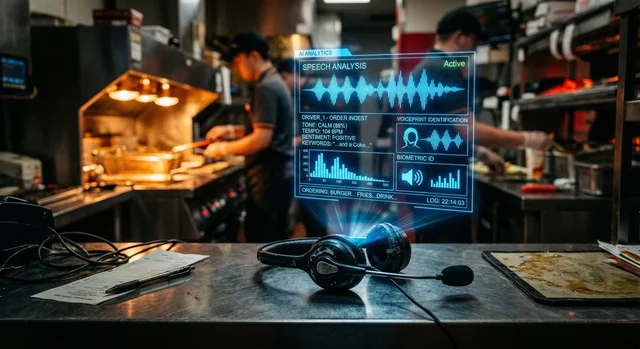
Burger King just put an AI snitch in every employee's headset. Meet "Patty," an OpenAI-powered voice chatbot that listens to drive-thru conversations, coaches workers on meal prep, and — here's the kicker — monitors whether employees say "please" and "thank you." Welcome to the future of fast food surveillance.
What Is Patty?
"Patty" is the voice interface of Burger King's broader BK Assistant platform. It lives inside the headsets that drive-thru employees already wear, and it's powered by OpenAI's technology. The chatbot can answer operational questions — like how many strips of bacon go on a Maple Bourbon BBQ Whopper or how to clean the shake machine — while simultaneously monitoring customer interactions.
But the feature that's raising eyebrows is the "friendliness" evaluation. Burger King's chief digital officer, Thibault Roux, told The Verge that the company compiled data from franchisees and guests to train the AI to recognize specific phrases: "welcome to Burger King," "please," and "thank you." Managers can then ask the AI how their location is performing on friendliness metrics.
Beyond Friendliness: Full Kitchen Integration
The BK Assistant platform goes well beyond tracking pleasantries. Because it's integrated with Burger King's cloud point-of-sale system, the AI can also alert managers when machines are down for maintenance, when items go out of stock, and provide real-time operational data across the entire restaurant. It combines data from drive-thru conversations, kitchen equipment, inventory, and other business areas.
Roux describes Patty as a "coaching tool" and says the company is "iterating" on capturing the tone of conversations — not just keywords. That means the AI may soon be judging not just what employees say, but how they say it.
The Skeptic's Take
Let's call this what it is: workplace surveillance with a cute name. Burger King took an AI system, dressed it up as a friendly "assistant," named it after a hamburger, and deployed it to monitor minimum-wage workers in real-time.
The "coaching tool" framing is doing a lot of heavy lifting here. When your employer puts an AI in your headset that tracks whether you said "please" and reports to your manager, that's not coaching — that's surveillance. And the plan to analyze tone next takes it further into dystopian territory. Who defines what the "right" tone is? An AI trained on corporate-approved friendliness standards?
There's also the power dynamic to consider. Fast food workers — among the lowest-paid in the labor market — now have AI monitoring their every word. They didn't ask for this. They can't opt out. And if the "friendliness score" drops, guess who faces consequences? Not the AI.
The operational features are genuinely useful. Knowing when a machine is down or what goes on a specialty burger is legitimate workplace assistance. But bundling that with real-time speech monitoring and selling the whole package as "helpful" is a masterclass in corporate doublespeak.
The Bottom Line
Burger King's Patty is a preview of where AI in the workplace is heading — and it's not pretty for workers. The question isn't whether AI can monitor employee friendliness. It's whether it should. And whether naming your surveillance system after a hamburger makes it any less Orwellian.