Building a Smarter Heartland - Iowa's Path to Sustainable Transportation and Digital Connectivity
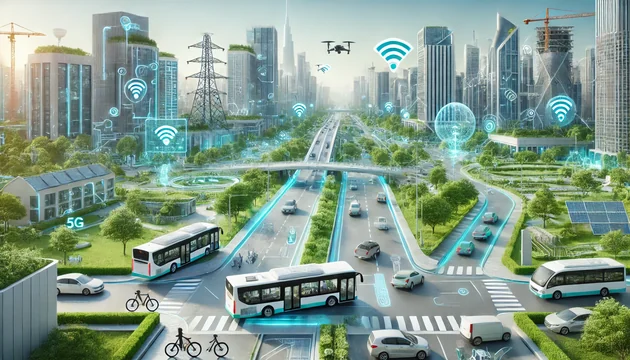
How does a state like Iowa, known for its vast agricultural landscapes, adapt to the growing demands of modern infrastructure? Iowa's transportation and connectivity systems form the backbone of its economy, supporting everything from the movement of goods along the Mississippi River to the adoption of renewable energy in its highways and electric vehicle networks.
However, with challenges like aging bridges, climate-related risks, and rural broadband gaps, Iowa faces critical decisions about its future. By addressing these issues with innovative solutions and strategic investments, the state is not only ensuring its infrastructure remains functional but also embracing sustainability and technological advancement to strengthen its role in America's logistics and economic landscape.
Modernizing Iowa's Foundations
Iowa's extensive network of over 23,000 bridges is crucial for connecting communities and supporting the state's economy. However, as of 2023, approximately 19% of these bridges are classified as structurally deficient, marking the second-highest percentage in the United States. In response, the Iowa Department of Transportation has allocated $92 million toward 119 bridge improvement projects, aiming to enhance safety and reliability across the state's transportation network.
The Mississippi River serves as a vital conduit for Iowa's agricultural exports, particularly corn and soybeans. Barge transportation is notably efficient, with a 2022 study indicating that its carbon footprint is nine times smaller than that of trucking and about half that of rail.
However, in recent years, low water levels have posed challenges, leading to increased barge freight rates during peak harvest periods. To address these issues, investments are being made to modernize lock and dam systems, ensuring the continued efficiency and environmental benefits of barge transport for Iowa's economy.
EVs, Smart Highways, and Connected Rural Roads
Iowa is actively expanding its electric vehicle infrastructure to accommodate the growing number of EVs on its roads. To support this increase, the Iowa Department of Transportation has allocated more than $16.2 million to establish 28 new direct-current fast-charging stations along major interstates, including I-29, I-35, I-80, and I-380. These stations are strategically placed within one mile of the interstates and feature a minimum of four charging ports, each providing at least 150 kilowatts of power.
In addition to EV infrastructure, Iowa is investing in smart highway technologies to enhance traffic management and safety. The recent upgrade of the I-80/I-380 interchange into a turbine interchange, completed ahead of schedule in August 2023, exemplifies this commitment. This modern design improves traffic flow and reduces congestion at a critical junction.
As Iowa invests in smart highway technologies and EV infrastructure to improve road safety, it's crucial to recognize the challenges that remain. Despite advancements, accidents still occur, especially in areas where older infrastructure or rural road conditions persist. In such cases, getting in touch with a car accident lawyer can be essential for navigating legal complexities and ensuring fair outcomes for those involved.
Recognizing the unique challenges of rural transportation, the University of Iowa's Driving Safety Research Institute has been testing automated driving systems on rural roads. The Automated Driving Systems for Rural America project, which concluded in December 2023, focused on understanding how automated vehicles can navigate unpaved roads, limited signage, and extreme weather conditions. Insights from this research aim to improve safety and mobility for rural residents, potentially offering new transportation options in areas where public transit is limited.
Sustainability in Iowa's Transportation
Iowa is at the forefront of integrating renewable energy into its transportation sector, significantly reducing its carbon footprint. In 2023, wind turbines generated 59% of Iowa's electricity, the highest wind power share for any state. This abundant wind energy not only powers homes and businesses but also supports the growing network of EV charging stations across the state, promoting cleaner transportation options.
The Iowa Department of Transportation has established a Sustainability Working Group dedicated to maintaining the transportation system in a state of good repair while promoting environmental stewardship. Their mission encompasses managing resources sustainably to serve both residents and travelers effectively. The University of Iowa is committed to reducing the carbon impact of transportation, seeking a 10% reduction in per capita emissions of fossil fuel-produced CO₂ from university-related transportation and travel.
Broadband - The New Superhighway for Iowa's Future
Iowa is making significant strides in expanding broadband access, recognizing its critical role in economic development and quality of life. In November 2023, the state allocated nearly $150 million through the Empower Rural Iowa Broadband Grant Program to fund 39 projects across 47 counties, aiming to connect more than 12,000 residents to high-speed internet. These grants, sourced from federal funds, cover up to 80% of project costs and focus on areas identified as Broadband Intervention Zones"”regions with the highest need for reliable internet access.
This initiative is part of a broader effort to bridge the digital divide in Iowa. The National Telecommunications and Information Administration has partnered with the state to plan and deploy a historic $415 million investment in broadband infrastructure.
This funding is expected to connect unserved and underserved locations, creating economic opportunities and jobs in communities of all sizes. These investments are crucial for supporting remote work, telemedicine, and online education, particularly in rural areas where connectivity has been limited.
Challenges and Opportunities
Iowa's transportation infrastructure faces significant challenges, particularly in maintaining and upgrading its extensive network of roads and bridges. A 2023 report by the American Road and Transportation Builders Association identified Iowa as having the highest percentage of structurally deficient bridges in the nation, with 20% of its bridges requiring critical repairs.
Despite these challenges, Iowa has notable opportunities to enhance its transportation infrastructure. The state's commitment to sustainable transportation is evident in its leadership in wind energy production, which supports the expansion of electric vehicle infrastructure. Financial strategies like the new eco-finance initiatives are playing an increasing role in funding these projects, offering incentives for renewable energy integration and climate-resilient infrastructure.
Projects like the proposed Iowa City"“North Liberty Commuter Rail aim to improve regional connectivity and reduce traffic congestion. These initiatives, coupled with federal funding from the Infrastructure Investment and Jobs Act, position Iowa to modernize its transportation network, promoting economic growth and environmental sustainability.
Conclusion
What does the future hold for Iowa's transportation and infrastructure? With its focus on repairing aging bridges, investing in renewable energy-powered EV infrastructure, enhancing smart highways, and bridging the digital divide through broadband expansion, Iowa is laying the groundwork for a more connected, sustainable, and resilient state.
These efforts not only address immediate challenges but also position Iowa as a leader in leveraging innovation to support its economy and communities. As federal and state investments converge with local initiatives, Iowa's commitment to modernization ensures its infrastructure remains a vital component of America's heartland.