Brighten Your Space: The Ultimate Guide to Home Window Replacement
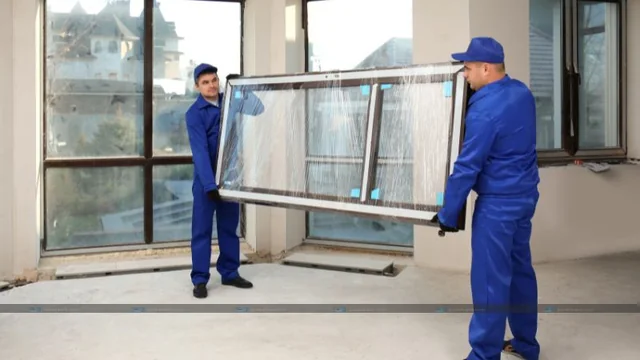
Windows play a crucial role in the aesthetics, functionality, and energy efficiency of your home. Over time, windows may become worn, damaged, or inefficient, leading to drafts, higher energy bills, and diminished curb appeal.
In this comprehensive guide, we'll explore everything you need to know about home window replacement, from signs that indicate it's time for an upgrade to the different types of windows available and the steps involved in the replacement process.
Importance of Home Window Replacement
Home window replacement is crucial for maintaining the comfort, energy efficiency, and aesthetics of your home. Old or damaged windows can lead to drafts, moisture issues, and increased energy bills. By replacing them with new, energy-efficient windows, you can improve insulation, reduce noise pollution, and enhance the overall appearance of your home.
Additionally, modern windows often come with advanced features such as UV protection and easy cleaning mechanisms, providing added convenience and value. Investing in home window replacement not only enhances your living environment but also increases the resale value of your property, making it a wise long-term investment.
In the realm of home improvement projects, accurate construction estimates are pivotal. Utilizing construction estimating software like Bolster can streamline the process, providing detailed construction quotes and facilitating informed decision-making. With precise estimates, homeowners can plan effectively and ensure that their window replacement project stays within budget and meets their expectations seamlessly.
Signs It's Time for Replacement:
Drafts and Air Leaks: If you feel drafts or notice air leaks around your windows, it may indicate that the seals are worn or damaged, compromising the insulation of your home.
Condensation: Excessive condensation between window panes or on window frames can indicate seal failure, leading to moisture infiltration and potential mold growth.
Difficulty Opening or Closing: Windows that are difficult to open or close may have warped frames or damaged hardware, making them inefficient and inconvenient to use.
Increased Energy Bills: Older, inefficient windows can contribute to higher energy bills due to heat loss in the winter and heat gain in the summer, resulting in increased heating and cooling costs.
Visible Damage: Cracked or broken glass, rotting wood frames, or signs of water damage are all indicators that your windows are in need of replacement to maintain structural integrity and aesthetics.
Types of Windows:
Single-Hung Windows: These windows feature a fixed upper sash and a lower sash that can be raised or lowered for ventilation.
Double-Hung Windows: Similar to single-hung windows, but both the upper and lower sashes are operable, allowing for improved ventilation and ease of cleaning.
Casement Windows: Hinged on one side and operated by a crank mechanism, casement windows offer excellent ventilation and a tight seal when closed.
Sliding Windows: Slide horizontally along a track, sliding windows are easy to operate and ideal for spaces with limited vertical clearance.
Picture Windows: Fixed in place and designed to provide unobstructed views, picture windows are a popular choice for living rooms and scenic areas.
Replacement Process:
Assessment and Measurement: Begin by assessing the condition of your existing windows and measuring the dimensions of each opening to ensure accurate replacement.
Window Selection: Choose replacement windows that match the style, material, and energy efficiency rating of your existing windows, taking into account factors such as frame material, glass type, and hardware options.
Removal of Old Windows: Remove the old windows carefully, taking care to preserve surrounding trim and casing as much as possible.
Installation of New Windows: Install the new windows according to manufacturer guidelines, ensuring proper alignment, insulation, and sealing to prevent air and water infiltration.
Finishing Touches: Apply trim, caulk, and weatherstripping as needed to complete the installation and provide a clean, finished appearance.
Benefits of Replacement:
Improved Energy Efficiency: New windows with modern features such as low-emissivity coatings and insulated frames can help reduce energy consumption and lower utility bills.
Enhanced Comfort: By eliminating drafts and air leaks, replacement windows can improve indoor comfort year-round, maintaining consistent temperatures and reducing cold spots.
Enhanced Curb Appeal: New windows can transform the appearance of your home, boosting curb appeal and increasing resale value.
Noise Reduction: High-quality replacement windows with multiple panes of glass and soundproofing features can help reduce outside noise, creating a quieter and more peaceful indoor environment.
Easy Maintenance: Modern replacement windows are designed for easy cleaning and maintenance, with features such as tilt-in sashes and durable, low-maintenance materials.
Conclusion:
Home window replacement is a valuable investment that can enhance the comfort, energy efficiency, and aesthetics of your home. By recognizing the signs that indicate it's time for replacement, choosing the right windows for your needs, and following proper installation procedures, you can enjoy the benefits of improved performance and durability for years to come.
Whether you're looking to brighten your space, reduce energy costs, or enhance curb appeal, replacing your windows is a worthwhile endeavor that can transform your home for the better. Examine the list of leading companies specializing in window replacement services.