Best Ways to Lose Weight: Science-Backed Methods That Actually Work

Losing weight doesn't have to feel like climbing Mount Everest barefoot. Whether you're looking to shed a few pounds or transform your entire lifestyle, the journey to healthy weight loss starts with understanding what actually works – not what Instagram influencers claim works while selling you their latest tea detox. The truth is, sustainable weight loss comes down to simple science mixed with practical habits you can actually stick with, not extreme measures that leave you hungry, miserable, and ready to raid the fridge at midnight.
Understanding Weight Loss: The Basics You Need to Know
Before diving into specific weight loss methods, let's clear up the fundamental principle that governs all weight reduction. Your body operates on a simple energy equation: calories in versus calories out. When you consume fewer calories than your body burns, you create what experts call a caloric deficit, which forces your body to tap into stored fat for energy.
Think of your body like a bank account. Every time you eat, you're making deposits. Every time you move, breathe, or even sleep, you're making withdrawals. Weight loss happens when your withdrawals exceed your deposits consistently over time. This doesn't mean you need to starve yourself or spend hours at the gym – it means finding the right balance that works for your lifestyle and body.
The speed at which you lose weight depends on several factors including your starting weight, age, gender, activity level, and genetics. While it's tempting to aim for rapid weight loss, health professionals recommend losing one to two pounds per week for sustainable, long-term results. This steady approach helps preserve muscle mass, keeps your metabolism humming, and reduces the likelihood of regaining the weight.
1. Create a Sustainable Calorie Deficit
Creating a calorie deficit forms the foundation of any successful weight loss journey. The key word here is "sustainable" – crash diets that slash calories dramatically might show quick results, but they're about as sustainable as ice sculptures in the desert. A moderate deficit of 500 to 750 calories per day typically leads to that healthy one to two pounds of weight loss per week.
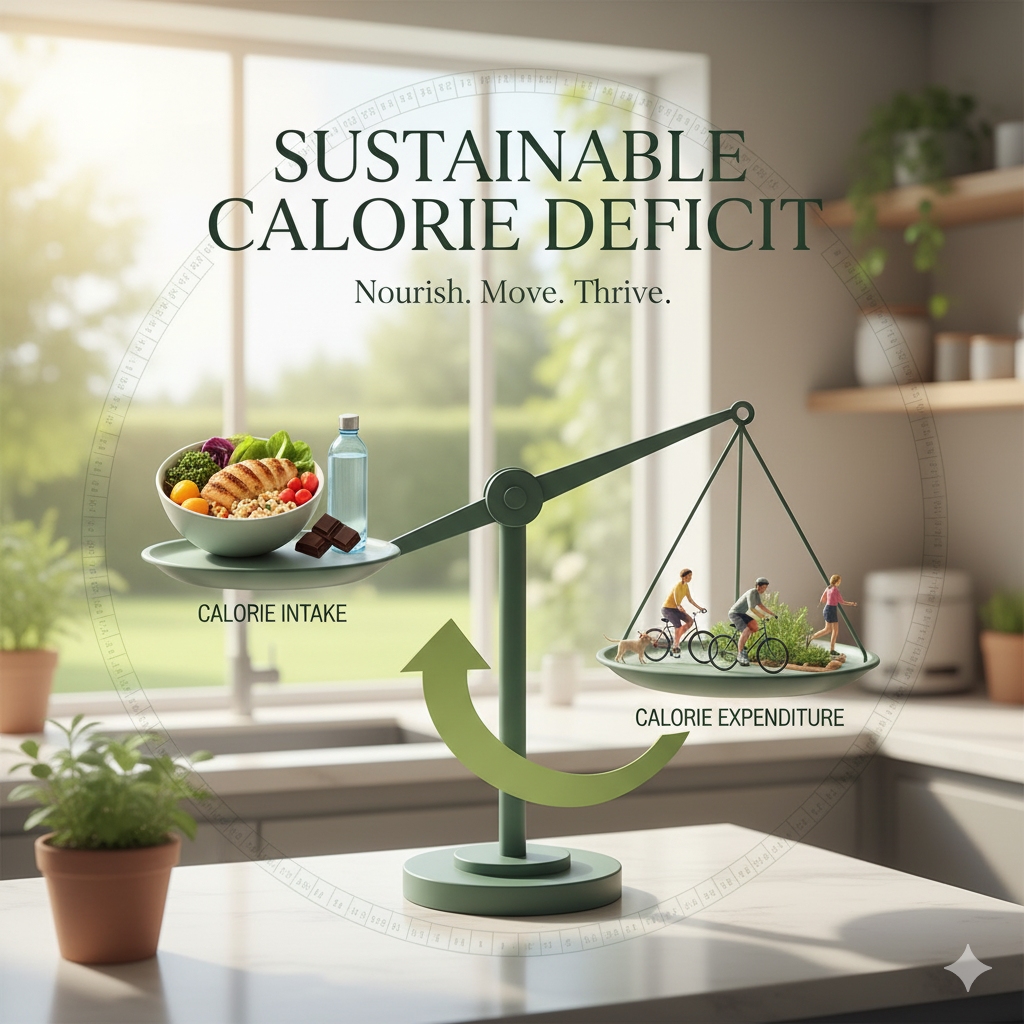
Start by calculating your daily caloric needs using online calculators that factor in your age, weight, height, and activity level. These tools give you a baseline number called your Total Daily Energy Expenditure. From there, subtract 500 to 750 calories to find your target daily intake for weight loss. Remember, going below 1,200 calories per day for women or 1,500 for men can slow your metabolism and leave you nutrient-deficient.
Tracking your calories doesn't mean obsessing over every morsel. Use smartphone apps to log your meals for a few weeks until you develop an intuitive sense of portion sizes and calorie content. Many people discover they've been underestimating their intake by hundreds of calories daily – those handful of nuts here and splash of creamer there add up faster than you might think.
2. Focus on Whole, Nutrient-Dense Foods
The quality of your calories matters just as much as the quantity when it comes to losing weight effectively. Whole foods – items that come from nature without extensive processing – provide more nutrients per calorie and keep you satisfied longer than their processed counterparts. These natural weight loss foods include fruits, vegetables, lean proteins, whole grains, legumes, nuts, and seeds.
When you fill your plate with nutrient-dense options, something magical happens: you naturally eat fewer calories while feeling more satisfied. A large salad with grilled chicken, colorful vegetables, and a vinaigrette dressing might contain the same calories as a small fast-food burger, but the salad provides fiber, vitamins, minerals, and lean protein that keep you full for hours. The burger? You'll be hunting for snacks within an hour.
Processed foods often contain hidden calories from added sugars and unhealthy fats, plus they're engineered to make you crave more. By focusing on whole foods, you sidestep these calorie traps while nourishing your body with the vitamins and minerals it needs to function optimally during weight loss. This approach also helps stabilize blood sugar levels, reducing those energy crashes that send you running for the vending machine.
3. Increase Your Protein Intake
Protein deserves a standing ovation in the weight loss theater. This macronutrient plays multiple starring roles: it preserves muscle mass during calorie restriction, increases feelings of fullness, and actually burns calories during digestion. Your body uses about 20 to 30 percent of protein's calories just to process it, compared to only 5 to 10 percent for carbs and 0 to 3 percent for fats.
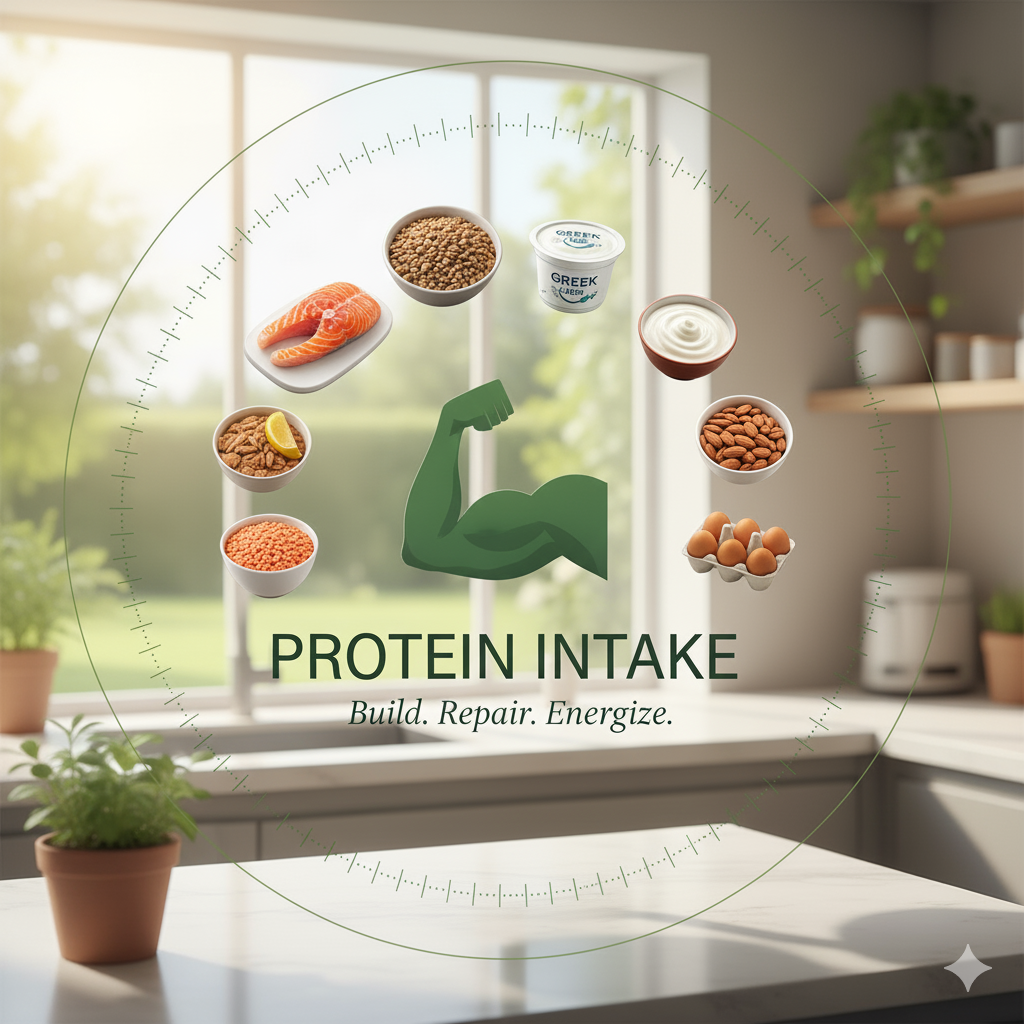
Aim to include a palm-sized portion of lean protein at every meal. Good sources include chicken breast, turkey, fish, eggs, Greek yogurt, cottage cheese, tofu, tempeh, and legumes. For weight loss, experts recommend consuming 0.8 to 1 gram of protein per pound of body weight daily. If you weigh 150 pounds, that translates to 120 to 150 grams of protein spread throughout your day.
Starting your day with a protein-rich breakfast sets the tone for better appetite control. Studies show that people who eat 30 grams of protein at breakfast experience fewer cravings and consume fewer calories throughout the day. Try scrambled eggs with vegetables, Greek yogurt parfait with nuts and berries, or a protein smoothie with spinach and almond butter.
4. Stay Hydrated with Water
Water might be the most underrated weight loss tool in your arsenal. This zero-calorie beverage fills your stomach, helps your body burn fat, and often gets mistaken for hunger signals. Many people walk around mildly dehydrated, interpreting their body's cry for water as a need for food. Before reaching for a snack, try drinking a glass of water and waiting 10 minutes.
Research suggests drinking 16 ounces of water before meals can reduce calorie intake by up to 13 percent. That might not sound like much, but over weeks and months, these savings add up to significant weight loss. Cold water provides an extra boost since your body burns a few calories warming it to body temperature – not enough to cancel out a donut, but every little bit helps.
Replace caloric beverages with water to accelerate your weight loss efforts. A single can of soda contains about 140 empty calories, while fancy coffee drinks can pack 400 calories or more. Switching to water saves these calories while keeping you hydrated. If plain water bores you, add slices of lemon, cucumber, or fresh herbs for flavor without calories.
5. Practice Intermittent Fasting
Intermittent fasting has gained popularity as an effective weight loss strategy that doesn't require counting calories or eliminating food groups. This eating pattern alternates between periods of eating and fasting, giving your body extended breaks from digestion and potentially improving fat burning. The most common approach, called 16:8, involves fasting for 16 hours and eating within an 8-hour window.
During fasting periods, your insulin levels drop, signaling your body to access stored fat for energy. This metabolic switch typically occurs 12 to 36 hours into a fast, depending on your activity level and what you ate before fasting. Many people find intermittent fasting easier to maintain than traditional diets because it focuses on when you eat rather than what you eat.
Start gradually by extending your overnight fast. If you normally eat breakfast at 7 AM, try pushing it to 8 AM, then 9 AM, eventually working toward your goal fasting window. During eating periods, focus on nutritious, satisfying meals rather than trying to make up for "lost" eating time. Stay hydrated with water, black coffee, or plain tea during fasting periods.
6. Incorporate Strength Training
While cardio gets all the weight loss glory, strength training deserves equal credit for transforming your body composition. Building lean muscle mass increases your resting metabolic rate, meaning you burn more calories even while binge-watching your favorite show. Each pound of muscle burns about 6 to 10 calories per day at rest, compared to only 2 calories for a pound of fat.
You don't need a gym membership or fancy equipment to start strength training for weight loss. Bodyweight exercises like push-ups, squats, lunges, and planks effectively build muscle using your own body as resistance. Aim for two to three strength training sessions per week, targeting all major muscle groups. Start with exercises you can perform with proper form and gradually increase difficulty as you get stronger.
Progressive overload – gradually increasing weight, reps, or exercise difficulty – keeps your muscles challenged and growing. This doesn't mean becoming a bodybuilder; it means maintaining and building lean muscle tissue that gives you a toned appearance and metabolic advantage. Women, don't fear bulking up – without testosterone supplements, you'll develop lean, defined muscles rather than bulk.
7. Add Cardiovascular Exercise
Cardiovascular exercise burns calories, improves heart health, and accelerates weight loss when combined with a healthy diet. The beauty of cardio lies in its accessibility – walking, running, cycling, swimming, dancing, or jumping rope all count. Find activities you enjoy rather than forcing yourself through exercises you dread. The best exercise for weight loss is the one you'll actually do consistently.
High-Intensity Interval Training (HIIT) offers maximum calorie burn in minimum time. These workouts alternate between short bursts of intense effort and recovery periods, creating an afterburn effect that keeps your metabolism elevated for hours post-exercise. A 20-minute HIIT session can burn as many calories as 40 minutes of steady-state cardio, making it perfect for busy schedules.
Start with 150 minutes of moderate-intensity cardio weekly, as recommended by health guidelines. This breaks down to 30 minutes five days per week – totally doable when you consider that walking counts. As your fitness improves, increase intensity or duration to continue challenging your body and preventing weight loss plateaus. Mix different activities to prevent boredom and work different muscle groups.
8. Get Adequate Sleep
Sleep might seem unrelated to weight loss, but skimping on shut-eye sabotages your efforts in multiple ways. Lack of sleep disrupts hormones that regulate hunger and satiety, specifically increasing ghrelin (the hunger hormone) while decreasing leptin (the fullness hormone). This hormonal havoc leaves you ravenous for high-calorie, high-carb foods the next day.
Poor sleep also affects insulin sensitivity, making it harder for your body to process carbohydrates effectively. This can lead to increased fat storage, particularly around your midsection. Studies show that people who sleep less than six hours nightly have a 30 percent higher risk of obesity compared to those getting seven to nine hours of quality sleep.
Create a sleep-friendly environment by keeping your bedroom cool, dark, and quiet. Establish a consistent bedtime routine that signals your body it's time to wind down. Limit screen time before bed, as blue light interferes with melatonin production. If racing thoughts keep you awake, try journaling or gentle stretching to release the day's tensions.
9. Manage Stress Levels
Chronic stress triggers a cascade of hormonal responses that promote weight gain, particularly around your midsection. When stressed, your body releases cortisol, a hormone that increases appetite and drives cravings for comfort foods high in sugar and fat. This biological response helped our ancestors survive famines but works against us in our modern, food-abundant environment.
Stress eating becomes a vicious cycle – you eat to feel better, feel guilty about overeating, which creates more stress, leading to more emotional eating. Breaking this cycle requires developing healthy coping mechanisms that don't involve food. Regular exercise, meditation, deep breathing, yoga, or talking with friends can help manage stress without derailing your weight loss efforts.
Identify your stress triggers and develop action plans for handling them. If work deadlines spike your stress, prepare healthy snacks in advance so you're not tempted by office donuts. If family drama sends you to the ice cream, have a list of non-food activities that bring comfort – a warm bath, calling a friend, or walking your dog.
10. Track Your Progress
Monitoring your weight loss journey provides valuable feedback and motivation, but the scale tells only part of the story. Weight fluctuates daily due to water retention, hormones, and digestive patterns, so don't let normal variations derail your motivation. Weigh yourself at the same time weekly, preferably in the morning after using the bathroom.
Take body measurements monthly to track changes the scale might not reflect. Measure your waist, hips, thighs, and arms to see where you're losing inches. Progress photos taken in consistent lighting and clothing reveal transformations you might not notice day-to-day. These non-scale victories often provide more motivation than the number on the scale.
Keep a food and exercise journal to identify patterns in your weight loss journey. You might discover that certain foods trigger cravings or that you consistently overeat on weekends. This awareness allows you to adjust your approach and overcome obstacles. Many smartphone apps make tracking effortless, providing insights into your habits and progress.
11. Plan and Prep Your Meals
Meal planning and preparation set you up for weight loss success by eliminating last-minute food decisions that often lead to poor choices. When you're hungry and unprepared, the drive-through becomes dangerously appealing. Spending a few hours weekly preparing healthy meals ensures you always have nutritious options available.
Start by planning your weekly menu, focusing on simple recipes using similar ingredients to streamline shopping and prep. Create a detailed grocery list and stick to it, avoiding impulse purchases that derail your efforts. Shop the perimeter of the grocery store where whole foods live, venturing into center aisles only for specific items like whole grains and canned beans.
Dedicate a few hours on weekends to batch cooking proteins, chopping vegetables, and portioning snacks. Prepare grab-and-go options like overnight oats, hard-boiled eggs, and cut vegetables with hummus. Having healthy food ready removes the effort barrier that often leads to ordering takeout. Invest in quality food storage containers to keep your prepped meals fresh throughout the week.
12. Practice Mindful Eating
Mindful eating transforms your relationship with food from mindless consumption to conscious nourishment. This practice involves paying full attention to your eating experience – the colors, smells, textures, flavors, and your body's hunger and fullness signals. When you eat mindfully, you naturally eat less while enjoying your food more.
Start by eliminating distractions during meals. Turn off the TV, put away your phone, and focus on your food. Chew slowly and thoroughly, putting your fork down between bites. It takes about 20 minutes for your brain to register fullness, so eating slowly gives your body time to signal when you've had enough.
Check in with your hunger levels before, during, and after eating. Rate your hunger on a scale of 1 to 10, aiming to eat when you're at a 3 or 4 (moderately hungry) and stop at a 7 (satisfied but not stuffed). This prevents both extreme hunger that leads to overeating and unnecessary snacking when you're not truly hungry.
13. Build a Support System
Weight loss doesn't have to be a solo journey. Having support from family, friends, or a weight loss community significantly increases your chances of success. Share your goals with trusted people who will encourage your efforts and hold you accountable when motivation wanes. Their support becomes especially valuable during challenging moments when old habits tempt you.
Consider joining online weight loss communities or local support groups where you can share experiences, challenges, and victories with people on similar journeys. These connections provide practical tips, emotional support, and the reminder that you're not alone in your struggles. Many find that helping others stay motivated strengthens their own commitment.
If possible, find an exercise buddy or healthy eating partner. Working out with someone makes exercise more enjoyable and creates accountability – it's harder to skip the gym when someone's waiting for you. Cooking healthy meals together or sharing healthy recipes keeps nutrition interesting and social rather than restrictive and isolating.
14. Avoid Liquid Calories
Liquid calories sneak into your diet without providing satiety, making them particularly problematic for weight loss. A morning latte, afternoon soda, and evening glass of wine can add 500 or more calories to your day without making you feel full. These beverages spike blood sugar quickly, leading to energy crashes and increased hunger.
Alcohol deserves special attention as it provides 7 calories per gram (nearly as much as fat) and reduces inhibitions around food choices. Your body also prioritizes metabolizing alcohol over burning fat, essentially putting fat loss on hold while it processes the alcohol. If you choose to drink, limit intake and account for those calories in your daily budget.
Replace caloric beverages with water, sparkling water, herbal tea, or black coffee. If you need flavor, try water infusions with fresh fruit or herbs. Green tea provides a mild metabolism boost thanks to compounds called catechins. When you do indulge in caloric beverages, treat them as you would dessert – occasional treats rather than daily habits.
15. Be Patient and Consistent
Sustainable weight loss takes time, and expecting overnight transformation sets you up for disappointment and potential failure. Your body didn't gain excess weight overnight, and it won't lose it overnight either. Focus on developing healthy habits rather than achieving a specific number on the scale by a certain date.
Weight loss rarely follows a linear path. You'll experience weeks where the scale doesn't budge despite perfect adherence to your plan, followed by sudden drops. These plateaus are normal and often indicate your body is adjusting to its new weight. Stay consistent with your healthy habits during these frustrating periods, trusting the process rather than giving up.
Celebrate non-scale victories along your journey. Increased energy, better sleep, improved mood, clothes fitting better, and health markers improving all indicate success beyond the number on the scale. These improvements often occur before significant weight loss and provide motivation to continue when scale progress stalls.
Common Weight Loss Mistakes to Avoid
Understanding common pitfalls helps you navigate around them on your weight loss journey. One major mistake is adopting an all-or-nothing mentality. Viewing foods as "good" or "bad" and your efforts as either perfect or failed creates unnecessary stress and often leads to giving up after minor setbacks. Instead, aim for consistency over perfection, knowing that one imperfect meal doesn't undo weeks of progress.
Another frequent error is relying solely on exercise without addressing diet. While exercise provides numerous health benefits and supports weight loss, you can't out-exercise a poor diet. Creating a calorie deficit through diet alone is more efficient than trying to burn off excess calories through exercise. Think of exercise as a complement to healthy eating rather than permission to eat whatever you want.
Many people underestimate the calories they consume while overestimating the calories they burn through exercise. Restaurant portions often contain double or triple the calories of home-cooked meals, and that 30-minute walk burns fewer calories than you might hope. Use measuring tools and tracking apps initially to develop accurate portion awareness and realistic exercise expectations.
Creating Your Personal Weight Loss Plan
Developing a personalized weight loss strategy increases your likelihood of long-term success. Start by setting realistic, specific goals rather than vague aspirations. Instead of "lose weight," aim for "lose 1.5 pounds weekly by creating a 750-calorie daily deficit through diet and exercise." Specific goals provide clear direction and measurable progress markers.
Assess your current lifestyle honestly to identify areas for improvement. Track your typical eating and activity patterns for a week without trying to be "good." This baseline reveals habits that support or sabotage your weight loss efforts. Maybe you discover that skipping breakfast leads to afternoon overeating, or that stress triggers evening snacking.
Choose strategies that fit your lifestyle and preferences rather than following someone else's plan. If you hate running, don't force yourself to run – find activities you enjoy. If you're not a morning person, don't commit to 5 AM workouts. The best weight loss plan is one you can maintain long-term, not one that requires superhuman willpower.
Maintaining Weight Loss Long-Term
Reaching your goal weight marks the beginning, not the end, of your healthy living journey. Many people regain lost weight because they return to old habits once they achieve their goal. Successful weight maintenance requires continuing the healthy habits that helped you lose weight, with slight modifications to stop losing once you reach your target.
Gradually increase your calorie intake by 50 to 100 calories weekly until your weight stabilizes. This reverse dieting approach helps you find your maintenance calories without overshooting and regaining weight. Continue monitoring your weight weekly and adjust your intake if you notice upward trends lasting more than two weeks.
Build flexibility into your maintenance plan to accommodate life's realities. Learn to navigate holidays, vacations, and special occasions without completely abandoning healthy habits. Practice the 80/20 rule – making healthy choices 80 percent of the time while allowing flexibility for treats and indulgences the remaining 20 percent.
Conclusion: Your Weight Loss Journey Starts Now
Successful weight loss comes down to creating sustainable habits rather than following extreme short-term measures. By implementing these science-backed strategies – creating a calorie deficit, eating whole foods, exercising regularly, sleeping well, and managing stress – you set yourself up for lasting success. Remember that small, consistent changes add up to dramatic transformations over time.
Your weight loss journey is uniquely yours. What works for your friend or favorite celebrity might not work for you, and that's okay. Experiment with different approaches, pay attention to how your body responds, and adjust accordingly. Focus on progress over perfection, celebrating every positive change along the way.
Start today with one small change. Maybe it's drinking an extra glass of water, taking a 10-minute walk, or swapping your afternoon snack for something healthier. Build momentum gradually, adding new healthy habits as previous ones become automatic. Before you know it, these small changes will snowball into the healthy lifestyle and body you've been working toward. The best time to plant a tree was 20 years ago; the second-best time is now. Your future self will thank you for starting today.