Best VPN Services in 2026: Speed, Security, and Value Compared

Finding the best VPN in 2026 isn't just about hiding your IP anymore. Today's top VPN services bundle post-quantum encryption, AI-powered threat detection, password managers, and even identity theft protection into a single subscription. Meanwhile, pricing has gotten more competitive than ever — you can get a premium VPN for under $2/month if you commit to a 2-year plan.
We've tested and researched the top VPN services available right now and ranked them based on speed, security, privacy policies, streaming capability, server network, and overall value. Whether you want the fastest VPN for streaming, the most private option for sensitive work, or the cheapest plan that still delivers, this guide covers it all.
Last updated: March 2026. Includes 2026 pricing, post-quantum encryption rollouts, and NordWhisper protocol launch.
Our Top Picks at a Glance
| VPN | Best For | 2-Year Price | Devices | Servers | Key Strength |
|---|---|---|---|---|---|
| NordVPN | Best Overall | $3.39/mo | 10 | 7,400+ | NordLynx speed, post-quantum encryption |
| Surfshark | Best Value | $1.99/mo | Unlimited | 3,200+ | Cheapest premium VPN, unlimited devices |
| ExpressVPN | Best for Streaming | $2.44/mo | 10-14 | 3,000+ | Lightway Turbo (1,479 Mbps) |
| Proton VPN | Best for Privacy | $2.99/mo | 10 | 7,400+ | Swiss jurisdiction, open source, free tier |
| Mullvad VPN | Best for Anonymity | €5/mo flat | 5 | 700+ | No email required, accepts cash |
| CyberGhost | Best Server Network | $2.03/mo | 7 | 11,500+ | Largest network, 45-day refund |
| PIA | Best Open Source | $2.03/mo | Unlimited | 35,000+ | Court-proven no-logs, open source |
| IPVanish | Best for Fire TV | $2.19/mo | Unlimited | 3,200+ | Native Fire TV app, unlimited devices |
Best Overall: NordVPN
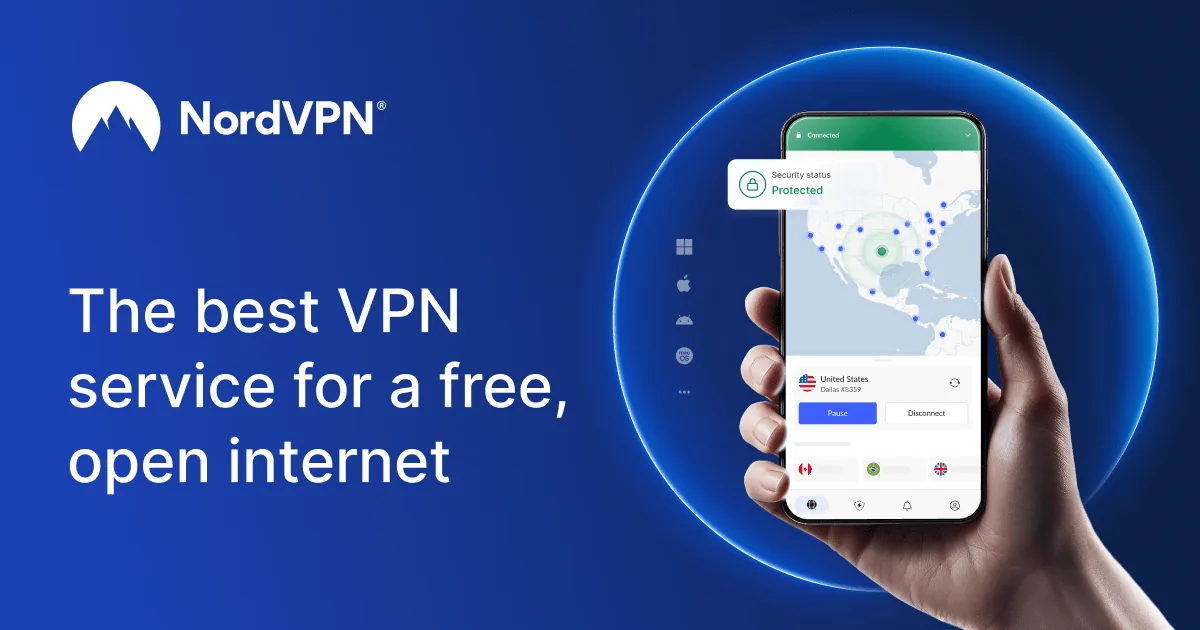
From $3.39/month (2-year plan) | Buy on Amazon | Visit NordVPN
NordVPN dominates the VPN market in 2026 for good reason. It's the fastest VPN we tested (up to 903 Mbps on nearby servers), has the most comprehensive feature set, and was the first to deploy post-quantum encryption across ALL platforms — Windows, macOS, iOS, Android, and TV apps.
The standout feature this year is NordWhisper, a brand-new protocol that disguises VPN traffic as regular web browsing. This makes NordVPN virtually undetectable on restricted networks — airports, offices, and even censored countries where VPNs are blocked. Combined with the existing NordLynx protocol (WireGuard-based) for raw speed and Double VPN for extra security, NordVPN offers the most versatile protocol suite of any VPN.
NordVPN now comes in four tiers: Basic (VPN only), Plus (adds password manager and Threat Protection Pro), Complete (adds 1TB encrypted cloud storage), and Prime (adds identity theft protection, US only). The Plus tier is the sweet spot for most users — Threat Protection Pro blocks malicious ads, trackers, and malware before they reach your device.
Key Specs:
- Servers: 7,400+ in 118+ countries
- Speed: Up to 903 Mbps (NordLynx), 5-6% speed loss vs. unprotected
- Protocols: NordLynx (WireGuard), NordWhisper, OpenVPN, IKEv2
- Encryption: AES-256-GCM + post-quantum (ML-KEM)
- Simultaneous Devices: 10
- Streaming: Netflix (multiple regions), Disney+, Hulu, Amazon Prime, BBC iPlayer
- Special Features: Meshnet, Double VPN, Onion over VPN, dedicated IP, Threat Protection Pro
Pricing:
| Plan | Monthly | 1-Year | 2-Year |
|---|---|---|---|
| Basic | $12.99/mo | $4.99/mo | $3.39/mo |
| Plus | $14.99/mo | $5.49/mo | $3.89/mo |
| Complete | $15.99/mo | $6.49/mo | $5.39/mo |
| Prime (US) | $25.99/mo | $8.09/mo | $7.39/mo |
Pros: Fastest speeds in testing, post-quantum encryption on all platforms, NordWhisper protocol, excellent streaming support, Meshnet for private networking
Cons: No unlimited device option (capped at 10), Plus and higher tiers get expensive, no free tier
Best Value: Surfshark
From $1.99/month (2-year plan) | Visit Surfshark
Surfshark is the best VPN deal in 2026 — and it's not even close. At $1.99/month on the 2-year Starter plan, you get a premium VPN with unlimited simultaneous device connections, 3,200+ servers upgraded to 10Gbps across 100+ countries, and post-quantum protection on WireGuard. No other VPN offers this combination at this price.
The unlimited devices feature is Surfshark's killer advantage. While NordVPN caps you at 10 and ExpressVPN at 10-14, Surfshark lets you protect every device in your household — phones, laptops, tablets, smart TVs, routers — on a single subscription. For families or anyone with multiple devices, this alone justifies the choice.
Surfshark is now owned by Nord Security (the company behind NordVPN) but operates independently with separate infrastructure. Speed tests show it reaching 950+ Mbps on nearby servers, making it competitive with NordVPN while costing almost half the price.
Key Specs:
- Servers: 3,200+ in 100+ countries (all 10Gbps)
- Speed: Up to 950+ Mbps (WireGuard), ~81% speed retention
- Protocols: WireGuard (with post-quantum), OpenVPN, IKEv2
- Encryption: AES-256-GCM + ChaCha20 + post-quantum
- Simultaneous Devices: Unlimited
- Streaming: Netflix, Disney+, Hulu, Amazon Prime, Max, BBC iPlayer
- Special Features: CleanWeb ad blocker, Dynamic MultiHop, NoBorders mode, Alternative ID
Pricing:
| Plan | Monthly | 1-Year | 2-Year (+3 months free) |
|---|---|---|---|
| Starter | $15.45/mo | $3.19/mo | $1.99/mo |
| One | $17.95/mo | $4.49/mo | $2.49/mo |
| One+ | $20.85/mo | $6.49/mo | $4.19/mo |
Pros: Cheapest premium VPN, unlimited devices, 10Gbps servers, post-quantum WireGuard, excellent value across all tiers
Cons: Kill switch not available on Linux, renewal prices jump significantly ($79-119/yr), owned by same company as NordVPN
Best for Streaming: ExpressVPN
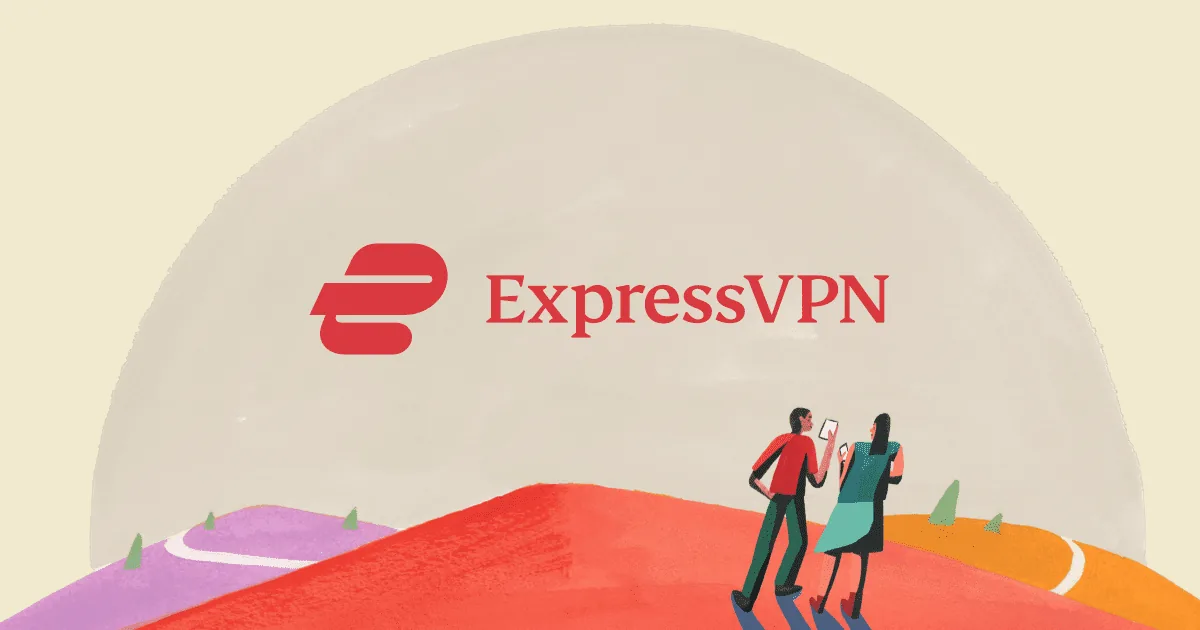
From $2.44/month (2-year plan) | Visit ExpressVPN
ExpressVPN remains the gold standard for streaming in 2026. If unblocking Netflix, Disney+, Hulu, BBC iPlayer, and every other geo-restricted service is your primary goal, ExpressVPN is the most reliable choice. It consistently unblocks more streaming platforms across more regions than any competitor.
The big technical story this year is Lightway Turbo — ExpressVPN's proprietary protocol now establishes multiple simultaneous network tunnels, achieving up to 1,479 Mbps on Windows. That's faster than any other VPN we've seen. The underlying Lightway protocol has also been rewritten in Rust for improved memory safety and independently audited by Cure53 and Praetorian.
ExpressVPN now offers three tiers: Basic (VPN only, 10 devices), Advanced (adds password manager, tracker blocker, eSIM data, 12 devices), and Pro (adds dedicated IP, more eSIM data, 14 devices). The new tiered pricing makes it more competitive on the 2-year plan, though it's still pricier than Surfshark.
Key Specs:
- Servers: 3,000+ in 105 countries, 187 locations (all 50 US states)
- Speed: Up to 1,479 Mbps (Lightway Turbo), ~718 Mbps standard Lightway
- Protocols: Lightway (proprietary, Rust-based), WireGuard (with post-quantum), OpenVPN, IKEv2
- Encryption: AES-256 + post-quantum (WireGuard)
- Simultaneous Devices: 10 (Basic), 12 (Advanced), 14 (Pro)
- Streaming: Best-in-class — Netflix (US, UK, Canada, Australia, Germany, France, Japan+), Disney+, Hulu, Amazon Prime, ESPN, BBC iPlayer
- Special Features: TrustedServer (RAM-only), Lightway Turbo, eSIM data, Aircove VPN router
Pricing:
| Plan | Monthly | 1-Year | 2-Year |
|---|---|---|---|
| Basic | $12.99/mo | $3.49/mo | $2.44/mo |
| Advanced | $13.99/mo | $5.99/mo | $4.49/mo |
| Pro | $19.99/mo | $8.99/mo | $7.49/mo |
Pros: Fastest max speed (Lightway Turbo), best streaming unblocking, servers in all 50 US states, RAM-only infrastructure, independently audited
Cons: Max 14 devices (even on Pro), owned by Kape Technologies (also owns CyberGhost and PIA), no free tier
Best for Privacy: Proton VPN
From $2.99/month (2-year plan) | Free tier available | Visit Proton VPN
Proton VPN is the VPN for people who take privacy seriously. Created by former CERN scientists and headquartered in Switzerland — one of the strongest privacy jurisdictions in the world — Proton VPN is the only major VPN with fully open-source apps on every platform, annual third-party audits, and a published transparency report going back to 2017.
Proton VPN is also the only premium VPN with a genuinely useful free tier. The free plan offers no data limits, no speed throttling, and no ads — just servers in 10 countries with 1 device connection. It's the best free VPN available, period. For comparison, most "free VPNs" either cap your data, throttle speeds, or bombard you with ads.
The paid VPN Plus plan ($2.99/month on 2-year) unlocks 7,400+ servers in 120+ countries, Secure Core (multi-hop through Switzerland, Sweden, and Iceland), NetShield ad blocking, streaming support, and 10 simultaneous devices. The Proton Unlimited plan bundles the VPN with ProtonMail, Proton Drive, Proton Calendar, and Proton Pass — a complete privacy ecosystem.
WIRED and PCMag both named Proton VPN their top VPN pick for 2026, praising its transparency, speed improvements, and commitment to privacy.
Key Specs:
- Servers: 7,400+ in 120+ countries (free: 10 countries)
- Speed: Up to 698 Mbps (WireGuard), ~85-90% speed retention
- Protocols: WireGuard, OpenVPN, IKEv2, Stealth (anti-censorship)
- Encryption: AES-256
- Simultaneous Devices: 1 (Free), 10 (Paid)
- Streaming: Netflix, Disney+, Amazon Prime (paid plans only)
- Special Features: Secure Core, NetShield, open-source, Swiss jurisdiction, free tier, VPN Accelerator
Pricing:
| Plan | Monthly | 1-Year | 2-Year |
|---|---|---|---|
| Free | $0 | $0 | $0 |
| VPN Plus | $9.99/mo | $3.99/mo | $2.99/mo |
| Proton Unlimited | $12.99/mo | $9.99/mo | $7.99/mo |
Pros: Best free VPN tier, open source, Swiss privacy laws, Secure Core multi-hop, annual audits, Proton ecosystem integration
Cons: Slower than NordVPN and ExpressVPN, free tier limited to 1 device, no dedicated IP option
Best for Anonymity: Mullvad VPN
€5/month flat rate (~$5.15 USD) | Buy on Amazon | Visit Mullvad
Mullvad VPN is the VPN for privacy absolutists. No email address required. No username. No personal information of any kind. You get a randomly generated 16-digit account number, and that's it. You can even pay with cash sent by mail for complete anonymity — no credit card, no PayPal, no digital paper trail.
In January 2026, Mullvad fully discontinued OpenVPN support, going all-in on WireGuard. This was a bold move that simplified their infrastructure and improved performance across the board. Mullvad also pioneered DAITA (Defense Against AI-guided Traffic Analysis), which pads packets and generates decoy traffic to prevent machine-learning algorithms from fingerprinting your VPN usage — a cutting-edge feature no other consumer VPN offers.
The flat €5/month pricing — unchanged since 2009 — is refreshingly honest in an industry full of confusing tiered plans and misleading "90% off" deals. No upsells, no renewal price hikes, no bundles. You pay one price and get everything.
PCMag awarded Mullvad an Editors' Choice as the most affordable Editors' Choice VPN, and it's the go-to recommendation among security researchers and journalists.
Key Specs:
- Servers: 700+ in 49 countries, RAM-only
- Speed: Up to 310 Mbps nearby, ~209 Mbps average
- Protocols: WireGuard only (OpenVPN discontinued Jan 2026)
- Encryption: WireGuard + post-quantum (ML-KEM hybrid key exchange)
- Simultaneous Devices: 5
- Streaming: Inconsistent — works sometimes but not designed for it
- Special Features: DAITA (AI traffic analysis defense), no-email signup, cash payments, post-quantum WireGuard
Pricing: €5/month flat rate. No annual plans. No discounts (10% off with cryptocurrency). Same price since 2009.
Pros: Maximum anonymity, no personal info required, flat transparent pricing, DAITA protection, post-quantum WireGuard, RAM-only servers
Cons: Only 5 devices, smallest server network, unreliable for streaming, slower than top competitors, only 14-day refund
Best Server Network: CyberGhost
From $2.03/month (28-month plan) | Visit CyberGhost
CyberGhost operates the largest server network of any mainstream VPN with 11,500+ servers across 100+ countries. If you need a VPN server close to your location for maximum speed — or want options in less common countries — CyberGhost has you covered. The company also offers dedicated streaming servers (optimized for 50+ platforms), dedicated torrenting servers, and dedicated gaming servers.
CyberGhost's NoSpy servers are located in their own data center in Romania (outside the Five/Nine/Fourteen Eyes alliances) and are fully owned and operated by CyberGhost — no third-party hosting. All popular servers have been upgraded from 1Gbps to 10Gbps in 2025-2026, improving performance significantly.
The 45-day money-back guarantee is the longest in the industry — 50% more than the standard 30 days. This makes CyberGhost essentially risk-free to try. The main drawback is that CyberGhost is owned by Kape Technologies, the same company that owns ExpressVPN and PIA — which concerns some privacy advocates.
Key Specs:
- Servers: 11,500+ in 100+ countries (largest network)
- Speed: Variable — improved with 10Gbps upgrades but inconsistent on some servers
- Protocols: WireGuard, OpenVPN, IKEv2
- Encryption: AES-256
- Simultaneous Devices: 7
- Streaming: Very good — 50+ platforms with dedicated streaming servers
- Special Features: NoSpy servers, 45-day money-back, streaming/torrenting/gaming optimized servers, Security Suite add-on
Pricing:
| Term | Price |
|---|---|
| Monthly | $12.99/mo |
| 6-Month | $6.99/mo |
| 2-Year + 2 months | $2.03/mo |
Pros: Largest server network (11,500+), 45-day money-back guarantee, dedicated streaming/torrenting servers, NoSpy servers, affordable long-term
Cons: Owned by Kape Technologies, inconsistent speeds on some servers, only 7 simultaneous devices, no post-quantum encryption yet
Best Open Source: Private Internet Access (PIA)
From $2.03/month (2-year plan) | Buy on Amazon | Visit PIA
Private Internet Access (PIA) has been around since 2010 and has something no other VPN can claim: a no-logs policy proven in court — twice. When subpoenaed by the FBI, PIA had nothing to hand over because they genuinely don't log user activity. The policy has also been verified by Deloitte in two independent audits.
PIA boasts the largest raw server count in the industry — 35,000+ servers including coverage in all 50 US states. All apps are fully open source, meaning anyone can inspect the code for backdoors or vulnerabilities. Combined with unlimited simultaneous connections and a price of just $2.03/month on the 2-year plan, PIA offers incredible value for transparency-minded users.
The MACE feature blocks ads, trackers, and malware at the DNS level. Port forwarding support makes PIA popular among torrent users. The main downside is speed — PIA averages around 150 Mbps, which is significantly slower than NordVPN or ExpressVPN.
Key Specs:
- Servers: 35,000+ in 91+ countries (all 50 US states)
- Speed: ~150 Mbps average
- Protocols: WireGuard, OpenVPN
- Encryption: AES-256, RAM-only infrastructure
- Simultaneous Devices: Unlimited
- Streaming: Good — Netflix, Disney+, and 30+ platforms
- Special Features: MACE ad blocker, open source, court-proven no-logs, port forwarding, dedicated IP
Pricing:
| Term | Price |
|---|---|
| Monthly | $11.99/mo |
| 6-Month | $7.50/mo |
| 2-Year + 4 months free | $2.03/mo |
Pros: Court-proven no-logs policy, open-source apps, 35,000+ servers, unlimited devices, port forwarding, very affordable
Cons: Slower than competitors (~150 Mbps average), owned by Kape Technologies, US jurisdiction (Five Eyes), inconsistent performance
Best for Fire TV: IPVanish

From $2.19/month (2-year plan) | Visit IPVanish
IPVanish is the best VPN for Amazon Fire TV and Firestick users. Its native Fire TV app is consistently rated as the most user-friendly VPN interface on the platform, with intuitive server selection, quick-connect features, and seamless integration with Fire OS. If you use a Firestick for streaming, IPVanish should be at the top of your list.
IPVanish offers unlimited simultaneous connections, a feature that used to be rare but is increasingly common in 2026 (Surfshark and PIA also offer it). At $2.19/month on the 2-year plan, it's among the cheapest options available. Speed retention is excellent at up to 95%, and the Double Hop feature (introduced in late 2024) routes your traffic through two VPN servers for extra security.
IPVanish also includes SugarSync encrypted cloud storage with every subscription — a nice bonus that competitors charge extra for.
Key Specs:
- Servers: 3,200+ in 113+ countries (1,020+ in US alone)
- Speed: Up to 95% speed retention
- Protocols: WireGuard, OpenVPN, IKEv2
- Encryption: AES-256
- Simultaneous Devices: Unlimited
- Streaming: Good — works with most major platforms
- Special Features: Native Fire TV app, Double Hop, SugarSync cloud storage, SOCKS5 proxy, 7-day free trial
Pricing:
| Term | Price |
|---|---|
| Monthly | $12.99/mo |
| 1-Year | $3.33/mo |
| 2-Year | $2.19/mo |
Pros: Best Fire TV app, unlimited devices, 95% speed retention, SugarSync cloud storage included, Double Hop, 7-day free trial
Cons: Smaller server network than top competitors, US jurisdiction, audited no-logs policy but less proven than PIA
NordVPN vs. ExpressVPN: Which Premium VPN Is Better?
| Feature | NordVPN | ExpressVPN |
|---|---|---|
| 2-Year Price | $3.39/mo (Basic) | $2.44/mo (Basic) |
| Max Speed | 903 Mbps (NordLynx) | 1,479 Mbps (Lightway Turbo) |
| Servers | 7,400+ in 118+ countries | 3,000+ in 105 countries |
| Devices | 10 | 10-14 (by tier) |
| Post-Quantum | Yes (all platforms) | Yes (WireGuard only) |
| Unique Protocol | NordWhisper (stealth) | Lightway Turbo (multi-lane) |
| Streaming | Excellent | Best in class |
| Privacy Feature | Double VPN, Onion over VPN | TrustedServer (RAM-only) |
| Extras | Threat Protection, Meshnet | Aircove router, eSIM data |
| Owner | Nord Security (independent) | Kape Technologies |
Bottom Line: ExpressVPN wins on raw speed (Lightway Turbo is unbeatable) and streaming reliability. NordVPN wins on server network size, privacy features (NordWhisper, Double VPN), and post-quantum encryption coverage. For most users, NordVPN offers better overall value — but if streaming is your #1 priority, ExpressVPN is the safer bet.
Surfshark vs. NordVPN: Best Value or Best Features?
| Feature | Surfshark | NordVPN |
|---|---|---|
| 2-Year Price | $1.99/mo (Starter) | $3.39/mo (Basic) |
| Devices | Unlimited | 10 |
| Servers | 3,200+ in 100+ countries | 7,400+ in 118+ countries |
| Max Speed | ~950 Mbps | ~903 Mbps |
| Post-Quantum | Yes (WireGuard) | Yes (all platforms + NordLynx) |
| Ad Blocker | CleanWeb | Threat Protection Pro |
| Multi-Hop | Dynamic MultiHop | Double VPN (fixed pairs) |
| Kill Switch | All except Linux | All platforms |
| Ownership | Nord Security | Nord Security |
| Renewal Price | $79-119/yr | ~$100+/yr |
Bottom Line: Surfshark is the better deal — nearly half the price with unlimited devices and comparable speeds. NordVPN justifies the premium with more servers, more complete post-quantum coverage, NordWhisper protocol, and Threat Protection Pro (a more advanced ad/malware blocker than CleanWeb). Interestingly, both are owned by Nord Security, so the core infrastructure quality is comparable. Choose Surfshark if you want the cheapest premium VPN for your entire household; choose NordVPN if you want the most feature-rich option available.
How We Chose These VPNs
We evaluated over 20 VPN services based on the following criteria:
- Speed: Real-world speed tests on WireGuard/NordLynx/Lightway protocols, measuring both nearby and long-distance server performance
- Security: Encryption standards, post-quantum readiness, kill switch reliability, DNS/WebRTC leak protection, independent audits
- Privacy: Logging policies (ideally court-tested or audited), jurisdiction, ownership transparency, data handling practices
- Streaming: Ability to unblock Netflix, Disney+, Hulu, BBC iPlayer, and other geo-restricted platforms consistently
- Server Network: Number of servers, country coverage, server quality (10Gbps vs 1Gbps), RAM-only vs disk-based
- Value: Price across monthly, annual, and multi-year plans, including renewal rates and what's included in each tier
- Ease of Use: App design, platform availability, setup simplicity, customer support quality
- Trust: Company ownership, track record, transparency reports, response to legal requests
Buying Guide: What to Look For in a VPN
Post-Quantum Encryption (PQE)
This is the biggest VPN trend in 2026. Post-quantum encryption protects your data against future quantum computers that could theoretically break today's encryption. NordVPN, ExpressVPN, Surfshark, and Mullvad all offer some form of PQE. If you're concerned about "harvest now, decrypt later" attacks — where adversaries collect encrypted data today to crack it with quantum computers in the future — prioritize a VPN with PQE.
WireGuard Protocol
WireGuard has won the protocol war. It's faster, more efficient, and more secure than OpenVPN (Mullvad dropped OpenVPN entirely in January 2026). Most VPNs now default to WireGuard or a WireGuard-based protocol (NordLynx, Lightway). If a VPN still only supports OpenVPN, it's behind the curve.
No-Logs Policy
Every VPN claims a "no-logs policy" but few have been tested. PIA's policy has been proven in court twice. NordVPN, ExpressVPN, Surfshark, and Proton VPN have all undergone independent third-party audits. Look for audited or court-tested claims, not just marketing promises. Also check the jurisdiction — Switzerland (Proton VPN) and Panama have stronger privacy protections than the US or UK.
Simultaneous Device Connections
The average household has 10+ connected devices. Surfshark, PIA, and IPVanish offer unlimited connections. NordVPN and Proton VPN allow 10. ExpressVPN allows 10-14 depending on tier. If you have a large family or many devices, unlimited connections can save you from needing multiple subscriptions.
Beware the "90% Off" Trap
VPN marketing loves to show "90% off" deals comparing the monthly price to the multi-year price. More importantly, check the renewal price. Many VPNs offer cheap introductory rates that double or triple on renewal. Surfshark Starter goes from $1.99/month to $79/year on renewal. Always check what you'll pay in year 3.
Market Consolidation Warning
Kape Technologies now owns ExpressVPN, CyberGhost, Private Internet Access, and ZenMate. Nord Security owns NordVPN and Surfshark. This means six of the top eight VPNs are owned by just two companies. If corporate independence matters to you, Proton VPN, Mullvad, and IPVanish remain independently operated.
Frequently Asked Questions
What is the best VPN in 2026?
NordVPN is the best VPN for most people in 2026. It offers the best combination of speed (903 Mbps), security (post-quantum encryption on all platforms), and features (NordWhisper stealth protocol, Threat Protection Pro, Meshnet). If budget is your priority, Surfshark at $1.99/month with unlimited devices is unbeatable. If privacy is paramount, Proton VPN with its Swiss jurisdiction and open-source apps is the top choice.
Are free VPNs safe to use?
Most free VPNs are not safe — they make money by selling your data, showing intrusive ads, or providing inadequate security. The exception is Proton VPN Free, which offers no data limits, no ads, and no logging, backed by the same Swiss privacy infrastructure as the paid version. Windscribe's free tier (10GB/month) is also reputable. Avoid any free VPN not backed by a known, trustworthy company.
Do VPNs slow down internet speed?
Yes, but modern VPNs minimize the impact. Using WireGuard-based protocols, NordVPN retains 94-95% of your base speed, and ExpressVPN's Lightway Turbo can actually improve throughput in some scenarios. Expect a 5-15% speed reduction with premium VPNs on nearby servers. Older protocols like OpenVPN cause a 30-50% reduction.
Can VPNs unblock Netflix?
Yes — ExpressVPN, NordVPN, and Surfshark consistently unblock Netflix in multiple regions (US, UK, Canada, Australia, Japan, and more). CyberGhost offers 100+ dedicated streaming servers optimized for specific platforms. Note that Netflix actively fights VPN usage, so smaller or free VPNs often fail.
What is post-quantum encryption and do I need it?
Post-quantum encryption protects against future quantum computers that could break current encryption methods. The threat isn't immediate — practical quantum computers are years away — but the concern is "harvest now, decrypt later" attacks, where adversaries collect your encrypted data today to crack it later. NordVPN, ExpressVPN, Surfshark, and Mullvad all offer post-quantum protection in 2026. It's a nice-to-have security future-proofing, not an urgent necessity.
Is it legal to use a VPN?
VPNs are legal in most countries, including the US, UK, Canada, Australia, and most of Europe. However, some countries restrict or ban VPN usage: China, Russia, Iran, North Korea, Turkmenistan, Belarus, Iraq, and the UAE (to varying degrees). Using a VPN to commit illegal activities is still illegal regardless of the VPN. Always check local laws if traveling internationally.
Should I get a VPN on my phone?
Absolutely. Phones frequently connect to unsecured public Wi-Fi at cafes, airports, and hotels — exactly the scenarios where VPNs provide the most protection. All VPNs in our list offer iOS and Android apps. NordVPN and ExpressVPN both have post-quantum encryption on mobile, making them the most future-proof choices for phone users.
What's the cheapest good VPN?
Surfshark at $1.99/month (2-year Starter plan) is the cheapest premium VPN. CyberGhost and PIA are close at $2.03/month on their long-term plans. If free is your budget, Proton VPN Free is the only trustworthy option with no data limits. Check our guide to free VPNs for more options.
Related Articles
- The Ultimate VPN Guide 2026: A Beginner's Manual to Online Privacy
- Best Free VPNs for Desktop and Mobile
- The Ultimate Guide to VPNs with Free Trials
- Ways to Hide Your IP Address: Complete Guide to Online Privacy
- Best Internet Security Software: Complete Protection Guide
- Best Password Managers: The Ultimate Guide
- WEP vs. WPA vs. WPA2: Your Complete Wi-Fi Security Guide