Best Android Phones in 2026: Top Picks for Every Budget

Choosing the best Android phone in 2026 is harder than ever — but in a good way. Samsung, Google, and OnePlus are all delivering genuinely excellent devices across every price range, from $299 budget phones that punch well above their weight to $1,300 flagships packed with AI features and pro-grade cameras.
We’ve tested and researched the top Android phones available right now and ranked them based on real-world performance, camera quality, battery life, software support, and overall value. Whether you want the absolute best phone money can buy or a reliable daily driver under $500, this guide has you covered.
Last updated: March 2026. Includes the newly announced Samsung Galaxy S26 series and Google Pixel 10a.
Our Top Picks at a Glance
| Phone | Best For | Price | Key Strength |
|---|---|---|---|
| Samsung Galaxy S26 Ultra | Best Overall | $1,299 | S Pen, 200MP camera, 7 years updates |
| Google Pixel 10 Pro | Best Camera | $999 | AI photography, pure Android |
| OnePlus 15 | Best Battery Life | $899 | 7,300 mAh battery, 100W charging |
| Samsung Galaxy S26 | Best Compact Flagship | $799 | Flagship power, smaller form factor |
| Google Pixel 10a | Best Value | $499 | Flagship camera, 7 years updates |
| OnePlus 15R | Best Mid-Range | $499 | Flagship specs at mid-range price |
| Nothing Phone 3 | Most Unique Design | $549 | Glyph interface, clean software |
| Samsung Galaxy Z Fold 7 | Best Foldable | $1,799 | Tablet-sized inner screen, S Pen |
| Motorola Razr Ultra | Best Flip Phone | $999 | Large cover display, compact design |
| Samsung Galaxy A56 | Best Budget | $349 | AMOLED display, 5 years updates |
| Moto G Stylus 5G (2025) | Best Under $300 | $299 | Built-in stylus, large display |
Best Overall: Samsung Galaxy S26 Ultra

Price: $1,299 | Available: March 11, 2026 | Buy on Amazon
The Samsung Galaxy S26 Ultra is the most complete Android phone you can buy. Announced at Galaxy Unpacked on February 25, 2026, it builds on Samsung’s already dominant Ultra formula with meaningful upgrades where they matter most: camera, AI, and display.
Samsung has upgraded the main camera to a new 200MP sensor with improved low-light performance and added a dedicated AI processing unit that handles real-time scene optimization, object recognition, and enhanced night photography. The 6.9-inch Dynamic AMOLED display now peaks at 3,000 nits — the brightest on any smartphone — making it genuinely usable in direct sunlight.
The built-in S Pen remains a killer feature that no other phone matches, turning the S26 Ultra into a productivity powerhouse for note-taking, document annotation, and quick sketches. Samsung’s Galaxy AI suite has matured significantly, with features like real-time call translation, AI-powered photo editing, and intelligent search now feeling genuinely useful rather than gimmicky. The new Zero-Peeking Privacy Display is a hardware-level innovation that prevents shoulder-surfers from reading your screen.
Key Specs:
- Display: 6.9-inch Dynamic AMOLED, 120Hz, 3000 nits peak
- Processor: Snapdragon 8 Elite Gen 2
- RAM/Storage: 12GB / 256GB–1TB
- Cameras: 200MP main + 50MP ultrawide + 50MP 3x telephoto + 50MP 5x periscope
- Battery: 5,000 mAh, 45W wired, 15W wireless
- Software: One UI 8 (Android 16), 7 years of updates
Pros: Best display on any phone, versatile quad-camera system, S Pen, excellent software support, Galaxy AI, Privacy Display
Cons: Expensive, 45W charging is slow vs. competition, heavy at 232g
➡ Buy Samsung Galaxy S26 Ultra on Amazon
Best Camera Phone: Google Pixel 10 Pro
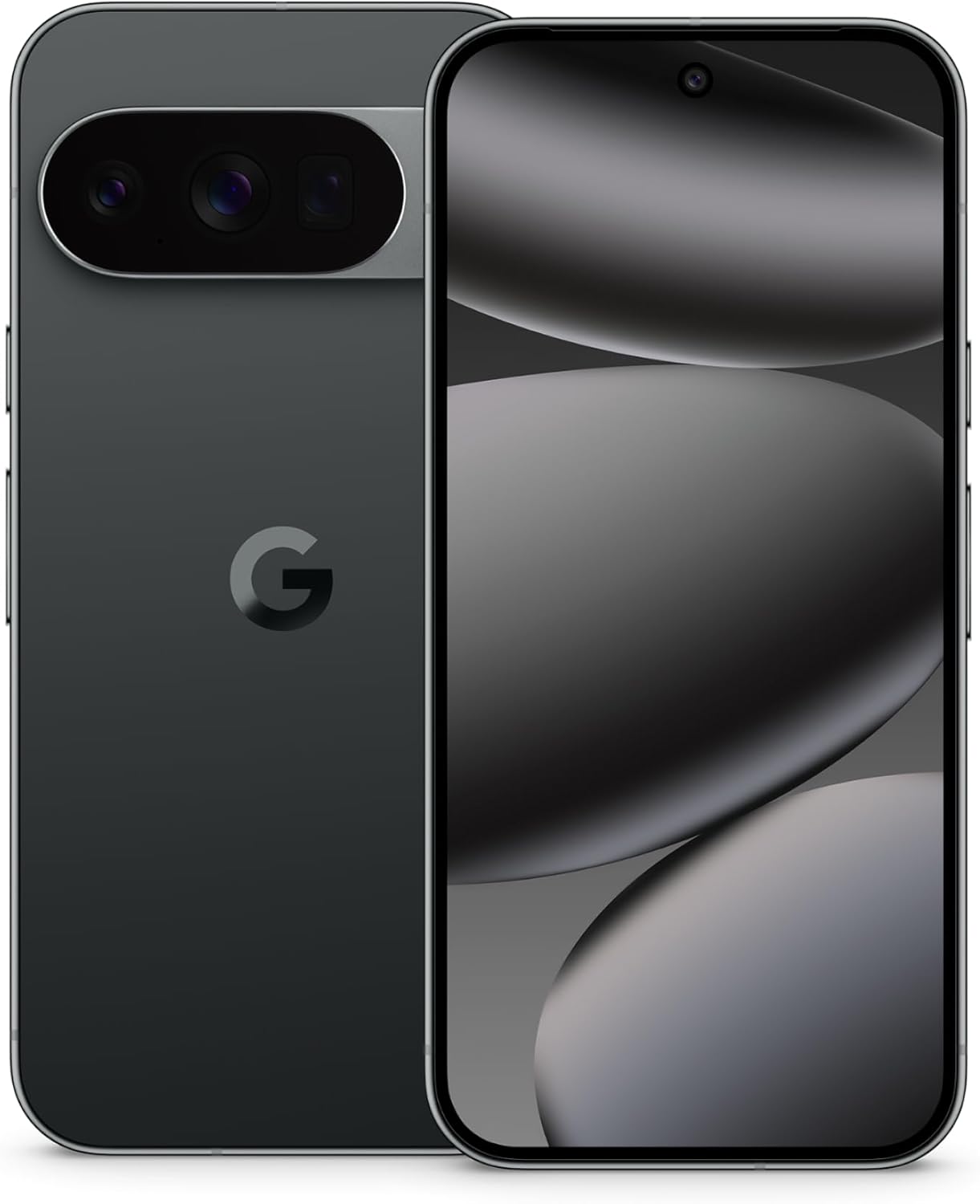
Price: $999 | Buy on Amazon
Google’s Pixel 10 Pro continues the Pixel tradition of being the best camera phone for most people, and the gap has widened in 2026. The Tensor G5 chip is purpose-built for computational photography, and it shows — photos from the Pixel 10 Pro look consistently natural and well-exposed in conditions that trip up every competitor. Google’s own marketing campaign highlights just how far ahead Pixel cameras are.
Night Sight remains the gold standard for low-light photography. The new 50MP main sensor captures noticeably more detail than the Pixel 9 Pro, and the 48MP periscope telephoto with 5x optical zoom finally matches Samsung’s zoom capabilities. Video recording has been overhauled with improved stabilization and a new cinematic mode that creates professional-looking depth-of-field effects.
Beyond the camera, the Pixel 10 Pro is simply the cleanest Android experience available. You get new features first, security updates on day one, and Google’s AI assistant is deeply integrated in ways that feel seamless rather than forced. Gemini Nano runs on-device for fast, private AI processing.
Key Specs:
- Display: 6.3-inch LTPO OLED, 120Hz, 2400 nits peak
- Processor: Google Tensor G5
- RAM/Storage: 12GB / 128GB–512GB
- Cameras: 50MP main (1/1.3”) + 48MP ultrawide + 48MP 5x periscope telephoto
- Battery: 5,050 mAh, 30W wired, 23W wireless
- Software: Pixel UI (Android 16), 7 years of updates
Pros: Best camera processing in any phone, cleanest Android experience, 7 years of updates, excellent AI features
Cons: Tensor chip still trails Snapdragon in raw performance, slow 30W charging, no expandable storage
➡ Buy Google Pixel 10 Pro on Amazon
Best Battery Life: OnePlus 15

Price: $899 | Buy on Amazon
The OnePlus 15 earned TechRadar’s first-ever perfect 5-star rating, and the reason is simple: it does everything well and nothing poorly. The headline feature is the massive 7,300 mAh battery — the largest ever in a premium flagship — which comfortably delivers two full days of use for most people.
But battery life alone doesn’t earn a perfect score. OnePlus paired it with 100W wired charging (0–100% in 30 minutes) and 50W wireless charging. The Snapdragon 8 Elite Gen 2 chip matches the Galaxy S26 Ultra for raw performance. The Hasselblad-tuned triple camera system produces photos with rich, natural color science that many prefer over Samsung’s more saturated output.
OxygenOS has matured into one of the best Android skins, striking the right balance between useful features and staying out of your way. The 6.8-inch 2K AMOLED display with 120Hz refresh rate is among the best in the business. If you’re curious about what’s next, the OnePlus 16 is already rumored to push bezels even thinner.
Key Specs:
- Display: 6.8-inch 2K AMOLED, 120Hz LTPO, 4500 nits peak
- Processor: Snapdragon 8 Elite Gen 2
- RAM/Storage: 12GB–16GB / 256GB–512GB
- Cameras: 50MP main (Sony LYT-808) + 50MP ultrawide + 50MP 3x telephoto (all Hasselblad-tuned)
- Battery: 7,300 mAh, 100W wired, 50W wireless
- Software: OxygenOS 15 (Android 16), 4 years OS + 5 years security
Pros: Incredible battery life, fastest charging in its class, excellent camera with Hasselblad color science, flagship performance
Cons: Shorter software support than Samsung/Google, no S Pen equivalent, limited US carrier support
Best Compact Flagship: Samsung Galaxy S26

Price: $799 | Available: March 11, 2026 | Buy on Amazon
Not everyone wants a 6.8-inch phone. The standard Galaxy S26 delivers the same Snapdragon 8 Elite Gen 2 processor and Galaxy AI features as the Ultra in a more pocketable 6.2-inch form factor. It’s the best compact flagship for people who want top-tier performance without the bulk.
The camera system is simplified to three lenses (50MP main + 12MP ultrawide + 10MP 3x telephoto), which covers most shooting scenarios well. You lose the Ultra’s 5x periscope zoom and S Pen, but save $500 in the process. The 4,000 mAh battery is adequate for a full day, and Samsung’s adaptive refresh rate keeps things efficient.
Key Specs:
- Display: 6.2-inch Dynamic AMOLED, 120Hz, 2600 nits peak
- Processor: Snapdragon 8 Elite Gen 2
- RAM/Storage: 12GB / 128GB–512GB
- Cameras: 50MP main + 12MP ultrawide + 10MP 3x telephoto
- Battery: 4,000 mAh, 25W wired, 15W wireless
- Software: One UI 8 (Android 16), 7 years of updates
Pros: Compact size with flagship power, 7 years of updates, excellent display, Galaxy AI
Cons: Average battery life for the price, slow 25W charging, no periscope zoom
➡ Buy Samsung Galaxy S26 on Amazon
Best Value: Google Pixel 10a
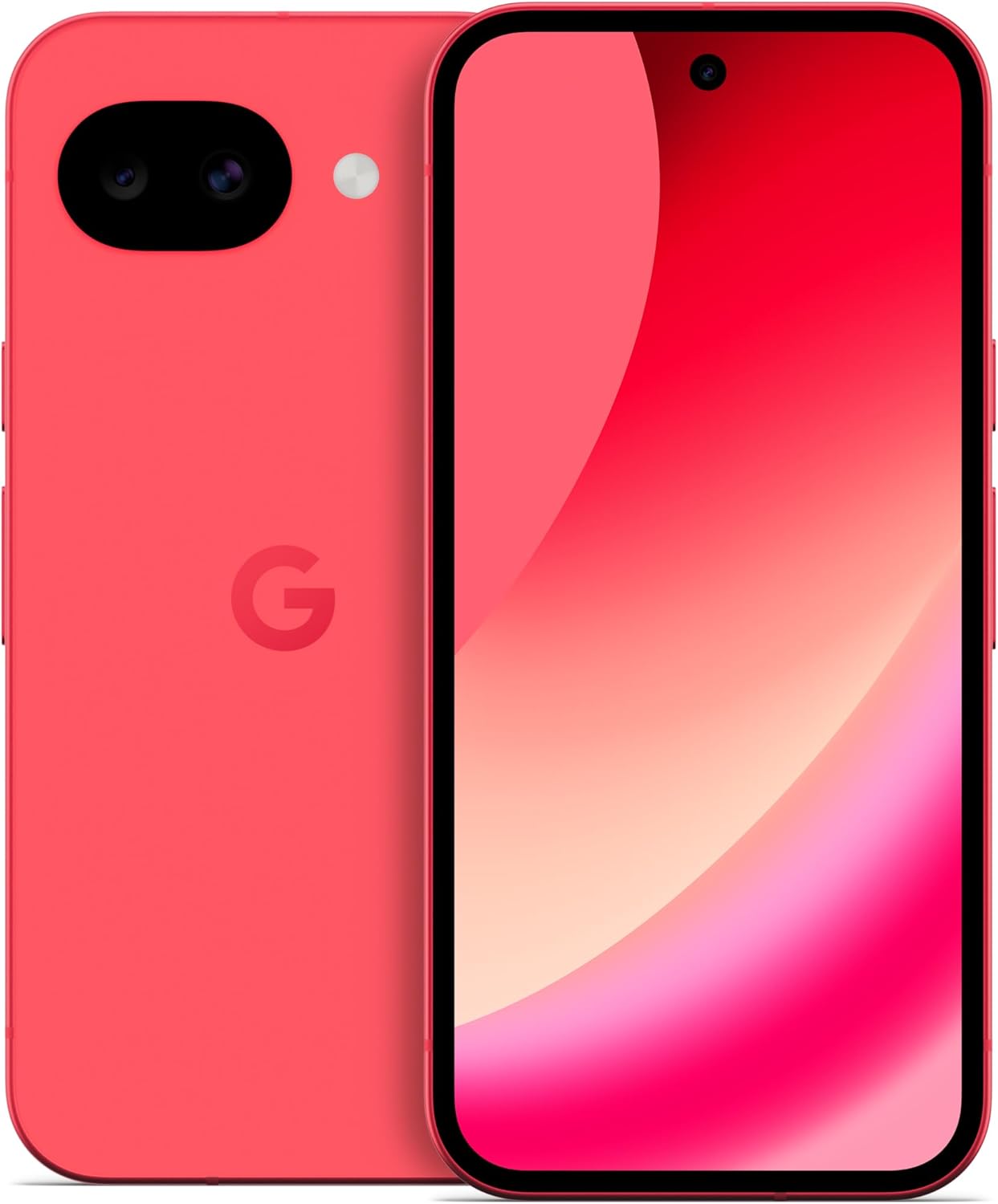
Price: $499 | Available: March 5, 2026 | Buy on Amazon
The Pixel “a” series has consistently been our top value recommendation, and the Pixel 10a is the best one yet. For $499, you get the same Tensor G5 chip as the Pixel 10 Pro, which means the same AI features and the same excellent computational photography. Wired ranked the previous Pixel 9a as their #1 overall Android phone for its price-to-performance ratio — the 10a raises the bar further.
The camera system is a highlight: the 50MP main sensor punches far above its price class, particularly in low-light scenarios where Google’s Night Sight processing works its magic. You won’t get the Pro’s telephoto zoom, but for everyday photography — family shots, food, social media — the Pixel 10a matches phones twice its price.
Seven years of guaranteed software updates mean this phone will remain secure and up-to-date until 2033. That long-term value proposition is hard to beat.
Key Specs:
- Display: 6.3-inch OLED, 120Hz, 1400 nits peak
- Processor: Google Tensor G5
- RAM/Storage: 8GB / 128GB–256GB
- Cameras: 50MP main + 13MP ultrawide
- Battery: 5,000 mAh, 18W wired, 7.5W wireless
- Software: Pixel UI (Android 16), 7 years of updates
Pros: Flagship-class camera at a mid-range price, 7 years of updates, clean Android experience, excellent value
Cons: No telephoto camera, slow charging speeds, plastic build
➡ Buy Google Pixel 10a on Amazon
Best Mid-Range: OnePlus 15R

Price: $499 | Buy on Amazon
The OnePlus 15R is the mid-range phone that performs like a flagship. It shares the same Snapdragon 8 Elite Gen 2 chipset as the OnePlus 15 and Samsung Galaxy S26 Ultra — which means benchmark performance is virtually identical to phones costing $800 more.
Where OnePlus cut costs to hit the $499 price point: the camera system uses a single main sensor instead of a triple setup, the build uses polycarbonate instead of metal, and wireless charging is absent. But for gaming, app performance, and daily use, you’d never know this isn’t a $1,000 phone.
The 6,000 mAh battery with 80W charging means all-day use with a 30-minute full recharge. OxygenOS remains snappy and bloat-free.
Key Specs:
- Display: 6.7-inch AMOLED, 120Hz LTPO, 2000 nits peak
- Processor: Snapdragon 8 Elite Gen 2
- RAM/Storage: 8GB–12GB / 128GB–256GB
- Cameras: 50MP main + 8MP ultrawide
- Battery: 6,000 mAh, 80W wired
- Software: OxygenOS 15 (Android 16), 4 years OS + 5 years security
Pros: Flagship processor at mid-range price, huge battery, fast charging, clean software
Cons: Basic camera system, no wireless charging, no telephoto lens, limited carrier support in US
Most Unique Design: Nothing Phone 3

Price: $549 | Buy on Amazon
Nothing’s third-generation phone continues to be the most visually distinctive Android device on the market. The signature Glyph Interface on the back uses customizable LED patterns for notifications, timers, and even music visualization — it’s a genuinely useful feature, not just a gimmick.
Under the transparent back panel, the Nothing Phone 3 packs the Snapdragon 8s Gen 3 processor, a capable dual-camera system, and Nothing OS 3 — one of the cleanest, most thoughtfully designed Android skins available. It’s the phone for people who are tired of every phone looking the same. If Nothing’s design language appeals to you, the Nothing Phone 4a series is already on the horizon.
Key Specs:
- Display: 6.7-inch LTPO OLED, 120Hz, 1600 nits peak
- Processor: Snapdragon 8s Gen 3
- RAM/Storage: 8GB–12GB / 128GB–256GB
- Cameras: 50MP main (OIS) + 50MP ultrawide
- Battery: 5,000 mAh, 45W wired, 15W wireless
- Software: Nothing OS 3 (Android 16), 3 years OS + 4 years security
Pros: Unique design and Glyph Interface, clean software, good camera for the price, wireless charging
Cons: Shorter software support, no telephoto, Snapdragon 8s (not full 8 Elite)
➡ Buy Nothing Phone 3 on Amazon
Best Foldable: Samsung Galaxy Z Fold 7

Price: $1,799 | Buy on Amazon
If you want the most versatile Android device, the Galaxy Z Fold 7 delivers a tablet-sized experience that folds to fit in your pocket. Samsung has refined the foldable formula over seven generations, and the Z Fold 7 feels genuinely mature — the crease is barely visible, the hinge is smoother, and the phone is noticeably thinner and lighter than its predecessor.
The 7.6-inch inner display is a game-changer for productivity: run three apps simultaneously, watch videos on a proper screen, or use Samsung DeX for a desktop-like experience. The improved cover display (6.3 inches) is now wide enough for comfortable one-handed use without unfolding.
Foldables remain expensive and inherently more fragile than slab phones, but if the form factor appeals to you, this is the one to get.
Key Specs:
- Display: 7.6-inch inner AMOLED + 6.3-inch cover AMOLED, both 120Hz
- Processor: Snapdragon 8 Elite Gen 2
- RAM/Storage: 12GB / 256GB–1TB
- Cameras: 50MP main + 12MP ultrawide + 10MP 3x telephoto
- Battery: 4,400 mAh, 25W wired, 15W wireless
- Software: One UI 8 (Android 16), 7 years of updates
Pros: Tablet and phone in one device, excellent multitasking, S Pen support, improved durability
Cons: Very expensive, heavier than regular phones, camera system isn’t Ultra-level, visible crease
➡ Buy Samsung Galaxy Z Fold 7 on Amazon
Best Flip Phone: Motorola Razr Ultra

Price: $999 | Buy on Amazon
The Motorola Razr Ultra offers the compact appeal of a flip foldable with one of the largest, most functional cover displays on any flip phone. You can reply to messages, scroll social media, and even use most apps without ever opening the device.
When unfolded, the 6.9-inch pOLED display is bright and responsive. Motorola’s software has improved significantly, and the camera system — while not matching dedicated camera phones — takes excellent photos using the cover display as a viewfinder for high-quality selfies.
Key Specs:
- Display: 6.9-inch pOLED (inner) + 4.0-inch pOLED (cover), both 165Hz
- Processor: Snapdragon 8s Gen 3
- RAM/Storage: 12GB / 256GB
- Cameras: 50MP main (OIS) + 50MP ultrawide (cover display doubles as selfie viewfinder)
- Battery: 4,000 mAh, 45W wired, 15W wireless
- Software: My UX (Android 16), 3 years OS + 4 years security
Pros: Excellent cover display, compact when folded, good cameras, fun form factor
Cons: Expensive for specs, shorter software support, battery life is average, screen crease
➡ Buy Motorola Razr Ultra on Amazon
Best Budget: Samsung Galaxy A56

Price: $349 | Buy on Amazon
Samsung’s A-series continues to dominate the budget segment, and the Galaxy A56 is the best affordable Samsung yet. For $349, you get a gorgeous 6.7-inch Super AMOLED display with 120Hz refresh rate — the same panel technology found in phones three times the price.
The Exynos 1580 processor handles everyday tasks smoothly, and the triple camera system (50MP main + 12MP ultrawide + 5MP macro) produces solid photos in good lighting. Samsung’s commitment to 5 years of security updates gives the A56 longevity that most budget phones can’t match.
Key Specs:
- Display: 6.7-inch Super AMOLED, 120Hz
- Processor: Exynos 1580
- RAM/Storage: 6GB–8GB / 128GB + microSD
- Cameras: 50MP main + 12MP ultrawide + 5MP macro
- Battery: 5,000 mAh, 25W wired
- Software: One UI 8 (Android 16), 5 years of security updates
Pros: Excellent AMOLED display, reliable Samsung software, expandable storage, IP67 water resistance
Cons: Slower processor for demanding games, no wireless charging, plastic build, average cameras in low light
➡ Buy Samsung Galaxy A56 on Amazon
Best Under $300: Moto G Stylus 5G (2025)

Price: $299 | Buy on Amazon
The Moto G Stylus stands out in the budget crowd by including a built-in stylus — something you normally need to spend $1,299 on a Galaxy S Ultra to get. It’s great for taking handwritten notes, signing documents, or quick sketches.
Motorola’s near-stock Android experience is smooth and bloat-free, the 6.7-inch IPS display is large and bright, and the 5,000 mAh battery easily lasts a full day. At $299, it’s the most phone you can get for the least money.
Key Specs:
- Display: 6.7-inch IPS LCD, 120Hz
- Processor: Snapdragon 6 Gen 3
- RAM/Storage: 6GB / 128GB + microSD
- Cameras: 50MP main + 8MP ultrawide + 2MP macro
- Battery: 5,000 mAh, 30W wired
- Software: Near-stock Android 16, 2 years OS + 3 years security
Pros: Built-in stylus, great value, clean Android, large display, all-day battery
Cons: IPS LCD (not OLED), limited software updates, basic camera in low light, no wireless charging
➡ Buy Moto G Stylus 5G on Amazon
Samsung Galaxy S26 Ultra vs. Google Pixel 10 Pro
These are the two best premium Android phones in 2026, and the right choice depends on what you value most.
| Feature | Galaxy S26 Ultra | Pixel 10 Pro |
|---|---|---|
| Price | $1,299 | $999 |
| Camera Winner | Zoom (5x periscope) | Overall processing, low-light |
| Display | 6.9”, 3000 nits (brighter) | 6.3”, 2400 nits |
| Battery | 5,000 mAh | 5,050 mAh |
| Charging | 45W wired | 30W wired |
| S Pen | Yes | No |
| Software Updates | 7 years | 7 years |
| AI Features | Galaxy AI (broad suite) | Gemini Nano (deep integration) |
| Best For | Power users, productivity | Photography, clean Android |
Our take: If you want the best camera processing and cleanest software, the Pixel 10 Pro is the better buy and saves you $300. If you want the most capable all-around device with S Pen, the brightest display, and more zoom range, the Galaxy S26 Ultra justifies its premium.
Google Pixel 10a vs. OnePlus 15R: Best Phone Under $500
Both cost $499 and both are outstanding — but they’re built for different priorities.
| Feature | Pixel 10a | OnePlus 15R |
|---|---|---|
| Price | $499 | $499 |
| Camera Winner | Yes (computational photography) | Decent but basic |
| Processor | Tensor G5 (AI-focused) | Snapdragon 8 Elite Gen 2 (fastest) |
| Battery | 5,000 mAh, 18W charging | 6,000 mAh, 80W charging |
| Display | 6.3” OLED, 1400 nits | 6.7” AMOLED, 2000 nits |
| Software Updates | 7 years | 4+5 years |
| Wireless Charging | Yes (7.5W) | No |
| Best For | Camera, long-term value | Performance, battery, gaming |
Our take: The Pixel 10a is the better all-around phone for most people — superior camera, longer software support, and wireless charging. The OnePlus 15R wins if you’re a gamer, heavy user who needs two-day battery life, or simply want the fastest phone possible at this price.
How We Chose These Phones
We evaluated over 30 Android phones released in the past 12 months, comparing them across six categories:
- Camera quality — Real-world photo and video performance across lighting conditions
- Battery life — Screen-on time, standby drain, and charging speeds
- Performance — Day-to-day responsiveness, app loading, and gaming capability
- Display quality — Brightness, color accuracy, refresh rate, and outdoor visibility
- Software and updates — OS quality, bloatware, and long-term update commitment
- Value — What you get relative to what you pay
We cross-referenced our findings with reviews from Wired, PCMag, Tom’s Guide, and TechRadar to ensure our picks align with industry consensus. Looking for wearables to pair with your new phone? See our guide to the best smartwatches for Android in 2026.
Android Phone Buying Guide: What to Look For
Processor Performance
The Snapdragon 8 Elite Gen 2 is the top Android chip in 2026, found in Samsung, OnePlus, and other flagships. Google’s Tensor G5 is optimized for AI and camera processing rather than raw speed. For mid-range phones, the Snapdragon 7+ Gen 3 and Dimensity 9200 deliver excellent performance at lower price points.
Camera: Megapixels vs. Processing
Megapixel count matters less than computational photography. Google’s 50MP sensor consistently outperforms 200MP sensors from other brands in real-world shooting, because software processing makes the bigger difference. Focus on sample photos rather than specs.
Software Updates Matter More Than You Think
Samsung and Google lead with 7 years of updates. OnePlus offers 4 years of OS + 5 years of security patches. Motorola trails with 2–3 years. A phone that stops getting security updates is a liability, not a device.
Battery: Size Isn’t Everything
A 5,000 mAh battery in a Pixel lasts longer than a 5,000 mAh battery in many competitors because Google’s Tensor chip and software optimization are better at managing power. OnePlus’s 7,300 mAh in the OnePlus 15 sets a new benchmark, but even the 4,000 mAh Galaxy S26 lasts a full day with Samsung’s adaptive display and processor management.
5G: Check Your Carrier
All phones on this list support 5G, but band compatibility varies. Samsung and Google phones have the broadest US carrier support. OnePlus and Nothing phones may lack some carrier-specific bands — check compatibility with your carrier before buying.
Frequently Asked Questions
Which Android phone has the best camera in 2026?
The Google Pixel 10 Pro takes the best photos overall, particularly in low-light and portrait scenarios. The Samsung Galaxy S26 Ultra wins for zoom photography with its 5x periscope telephoto. The OnePlus 15 produces the most natural-looking colors thanks to Hasselblad color tuning.
What’s the best Android phone under $500?
The Google Pixel 10a ($499) is our top pick under $500. It delivers flagship-level camera performance, the same Tensor G5 chip as the Pixel 10 Pro, and 7 years of software updates. The OnePlus 15R ($499) is the better choice if you prioritize raw performance and battery life over camera quality.
How long do Android phones last?
With Samsung and Google offering 7 years of updates, a flagship Android phone purchased in 2026 will be supported until 2033. In terms of hardware, most phones remain performant for 3–4 years of heavy use, or 5+ years for moderate users.
Is it worth waiting for the Samsung Galaxy S26 Ultra?
If you’re reading this before March 11, 2026, yes — the S26 Ultra launches then and early reviews are excellent. If you need a phone today, the OnePlus 15 or Google Pixel 10 Pro are outstanding alternatives available now.
Are foldable phones worth it in 2026?
Foldables have matured significantly. The Galaxy Z Fold 7 is a genuine productivity tool, not just a novelty. However, they’re still more expensive and slightly less durable than traditional phones. If you consume lots of media or multitask heavily, a foldable makes sense. For everyone else, a standard flagship offers better value.
Samsung vs. Google vs. OnePlus: Which brand should I choose?
Samsung is best for: feature-rich phones with the longest update support, S Pen productivity, and wide carrier compatibility. Google is best for: camera quality, clean software, fastest Android updates, and AI features. OnePlus is best for: battery life, fast charging, and flagship performance at lower prices.
The Bottom Line
The best Android phone for most people in 2026 is the Samsung Galaxy S26 Ultra if budget is no concern, or the Google Pixel 10a if you want the best value. But the real winner this year is the consumer — competition between Samsung, Google, and OnePlus has pushed quality up and prices (relatively) down across the board.
For the first time, you can get a $499 phone (Pixel 10a or OnePlus 15R) that genuinely competes with $1,000 flagships in everyday use. That’s the real story of Android phones in 2026.