Apple iPhone 17e: A19 Chip, 48MP Camera, MagSafe at $599 — But Still 60Hz
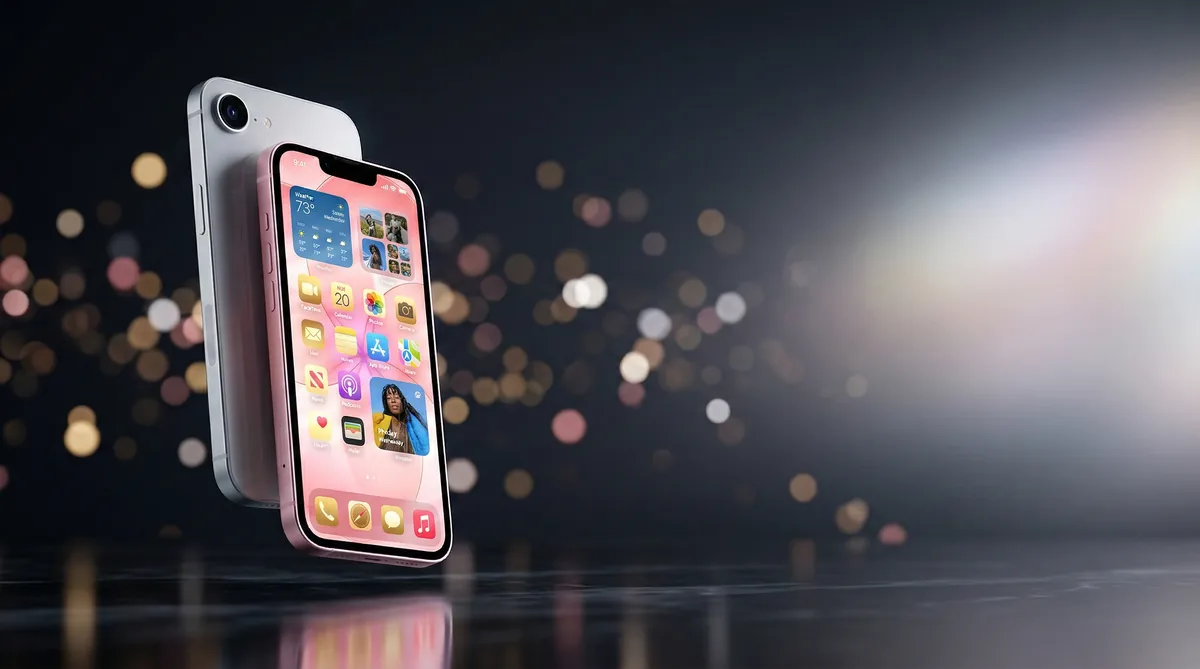
Apple has officially unveiled the iPhone 17e, the most affordable member of the iPhone 17 family. Starting at $599 with 256GB of storage, the device packs the latest A19 chip, a 48MP Fusion camera, MagSafe, and Apple's own C1X modem. But there's a glaring omission that's hard to ignore in 2026: the display is still locked at 60Hz.
What You Get for $599
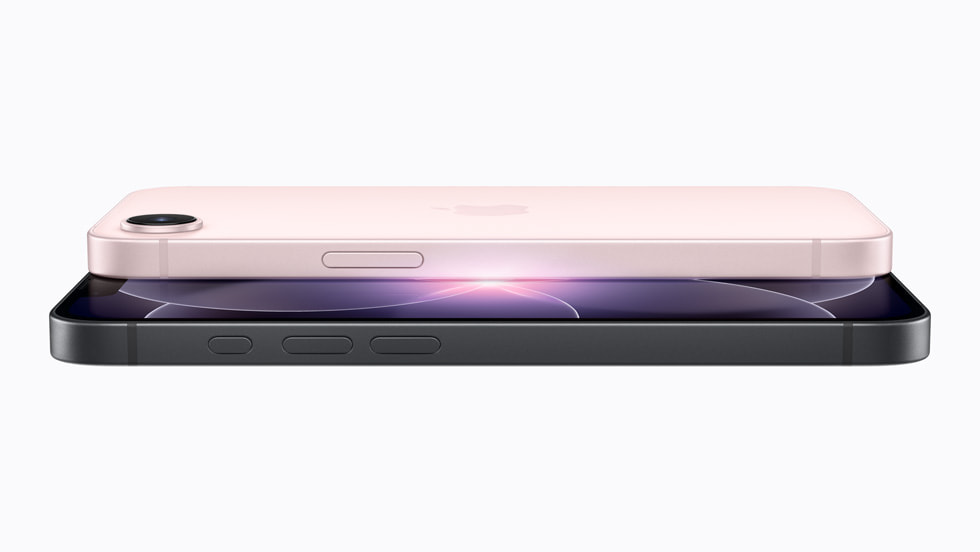
The iPhone 17e is built on the 3nm A19 chip, which Apple says delivers a CPU that's up to 2x faster than iPhone 11 and a 4-core GPU with Neural Accelerators for console-level gaming. The 16-core Neural Engine is optimized for generative AI models and powers Apple Intelligence features throughout iOS 26.
Apple's in-house C1X cellular modem is a highlight — it's up to 2x faster than the C1 in iPhone 16e and uses 30% less energy than the modem in iPhone 16 Pro. This contributes to what Apple promises is "exceptional all-day battery life."
Camera System: 48MP Fusion with 2x Telephoto

The single 48MP Fusion camera pulls double duty as a telephoto, offering an optical-quality 2x zoom. Portrait mode gets a significant upgrade with an advanced image pipeline that delivers more natural depth and smooth bokeh. The camera automatically recognizes people, dogs, and cats for next-generation portrait shots.

Video capabilities include 4K recording at 60fps with Dolby Vision and Spatial Audio for immersive playback on AirPods or Apple Vision Pro. Wind noise reduction uses machine learning to clean up audio automatically.
Design, Durability, and MagSafe
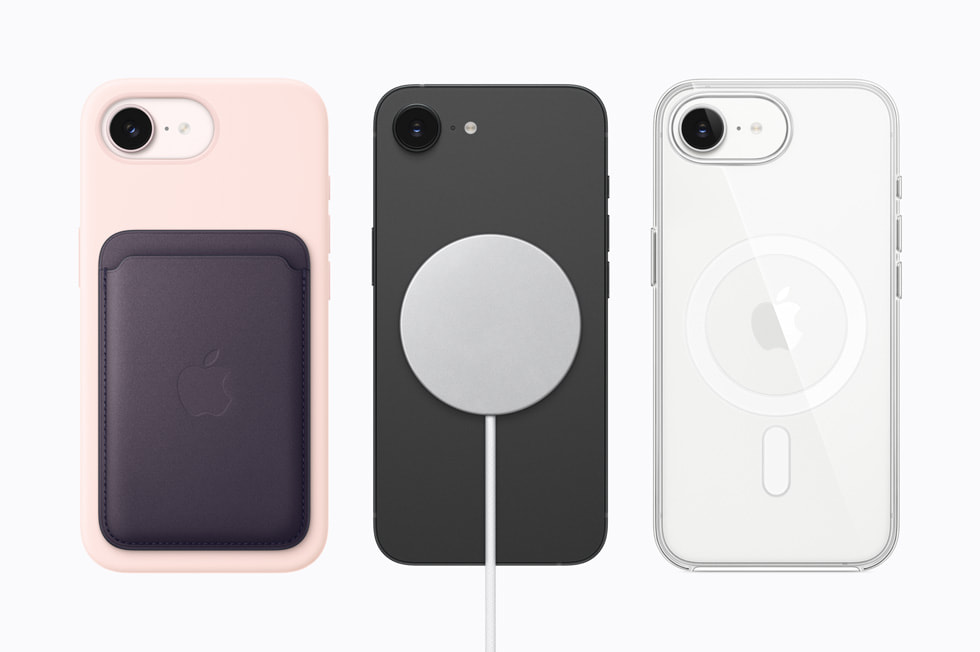
The iPhone 17e features an aerospace-grade aluminum body with IP68 water resistance. The Ceramic Shield 2 front cover offers 3x better scratch resistance than the previous generation. MagSafe support enables 15W wireless charging (up from 7.5W Qi on iPhone 16e) and access to the full MagSafe accessory ecosystem.
Available in three colors — black, white, and a new soft pink — the device comes in 256GB and 512GB storage configurations.
The Elephant in the Room: 60Hz in 2026
Here's where things get controversial. The iPhone 17e ships with a 6.1-inch Super Retina XDR display at 60Hz. In a market where $200 Android phones routinely offer 90Hz or 120Hz refresh rates, Apple's decision to stick with 60Hz on a $599 device feels tone-deaf.
The difference between 60Hz and 120Hz isn't subtle — it affects scrolling smoothness, animation fluidity, and the overall feel of the interface. Once you've used a high-refresh display, going back feels sluggish. Apple's own iPad lineup and Pro iPhones have offered ProMotion (120Hz) for years, making this omission even more glaring.
iOS 26 and Apple Intelligence
The iPhone 17e ships with iOS 26, featuring the new Liquid Glass design language and Apple Intelligence capabilities. Key features include Live Translation in Messages and FaceTime, visual intelligence that can analyze on-screen content, Call Screening for unknown numbers, and Hold Assist that waits on hold until a live agent picks up.
Pricing and Availability
The iPhone 17e starts at $599 for 256GB — double the entry storage from the previous generation at the same starting price. Pre-orders begin March 4, with availability starting March 11 in over 70 countries. Apple offers trade-in credits of up to $599 with carrier deals.
The Bottom Line
The iPhone 17e is a solid upgrade if you're coming from an older iPhone — the A19 chip, improved camera, MagSafe, and doubled storage are genuinely meaningful improvements. But Apple continues to protect its Pro lineup by keeping ProMotion exclusive, and in 2026, charging $599 for a 60Hz display is becoming increasingly hard to defend. The spec sheet reads like a greatest hits of features Android phones had years ago, wrapped in Apple's premium ecosystem tax.