Anduril Lands $20 Billion Army Contract: The Oculus Guy Now Builds War Machines
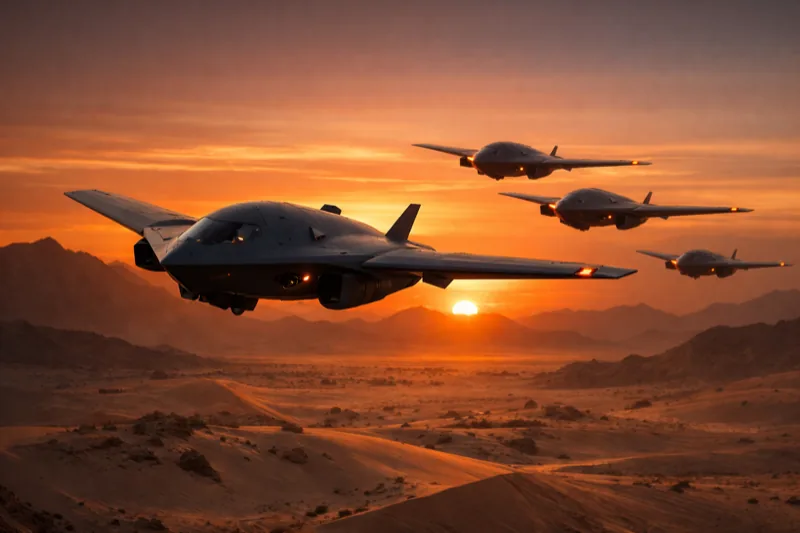
Palmer Luckey, the man who sold Oculus VR to Facebook for $2 billion, just landed his biggest deal yet — but this time it's not about virtual worlds. The U.S. Army announced a 10-year contract with Anduril worth up to $20 billion, cementing the defense tech startup as one of Silicon Valley's most consequential — and controversial — companies.
From VR Headsets to Autonomous Weapons
The trajectory of Palmer Luckey's career is one of tech's strangest arcs. He went from building virtual reality headsets in a garage, to being fired from Facebook over political donations, to building autonomous fighter jets, drones, and submarines for the Pentagon. Anduril, named after a sword from The Lord of the Rings, brought in roughly $2 billion in revenue last year and is reportedly in talks to raise at a $60 billion valuation.
The Army contract consolidates what had been more than 120 separate procurement actions for Anduril's commercial solutions into a single enterprise agreement. It covers hardware, software, infrastructure, and services across a five-year base period with a five-year extension option.
The Pentagon's New Favorite
Anduril has been enthusiastically embraced by the second Trump administration. The company's vision — remaking the U.S. military with autonomous systems and AI-powered decision-making — aligns perfectly with the Pentagon's push toward what officials call "software-defined warfare." As DoD CTO Gabe Chiulli put it: "The modern battlefield is increasingly defined by software."
The contract comes as the Pentagon battles with Anthropic over AI usage terms and as OpenAI faces backlash for its own military partnerships. Luckey has been vocal about his view that AI companies shouldn't draw red lines around military use, calling Anthropic's position on autonomous weapons and domestic surveillance "untenable."
The Ethics Question Nobody's Asking
While Anduril frames itself as a tech company that happens to serve defense, the reality is starker: this is a $20 billion deal to build autonomous killing machines. The company's product line includes autonomous drones, AI-powered surveillance systems, and software that helps the military identify and engage targets faster.
The ethical debate that drove Google employees to protest Project Maven in 2018 has been resolved — not by answering the hard questions, but by replacing the companies willing to ask them with companies that won't.
The Bottom Line
Palmer Luckey's journey from VR wunderkind to defense mogul is complete. A $20 billion Army contract makes Anduril one of the most important defense companies in America — built not in the traditional defense industry corridors of Virginia and Maryland, but in Silicon Valley. The man Facebook fired for being too controversial is now building the autonomous weapons that will define 21st-century warfare. The Pentagon doesn't care about your tweets — it cares about your drones.