Investors Are Pushing Amazon, Microsoft, and Google to Come Clean About Data Center Water and Power Use
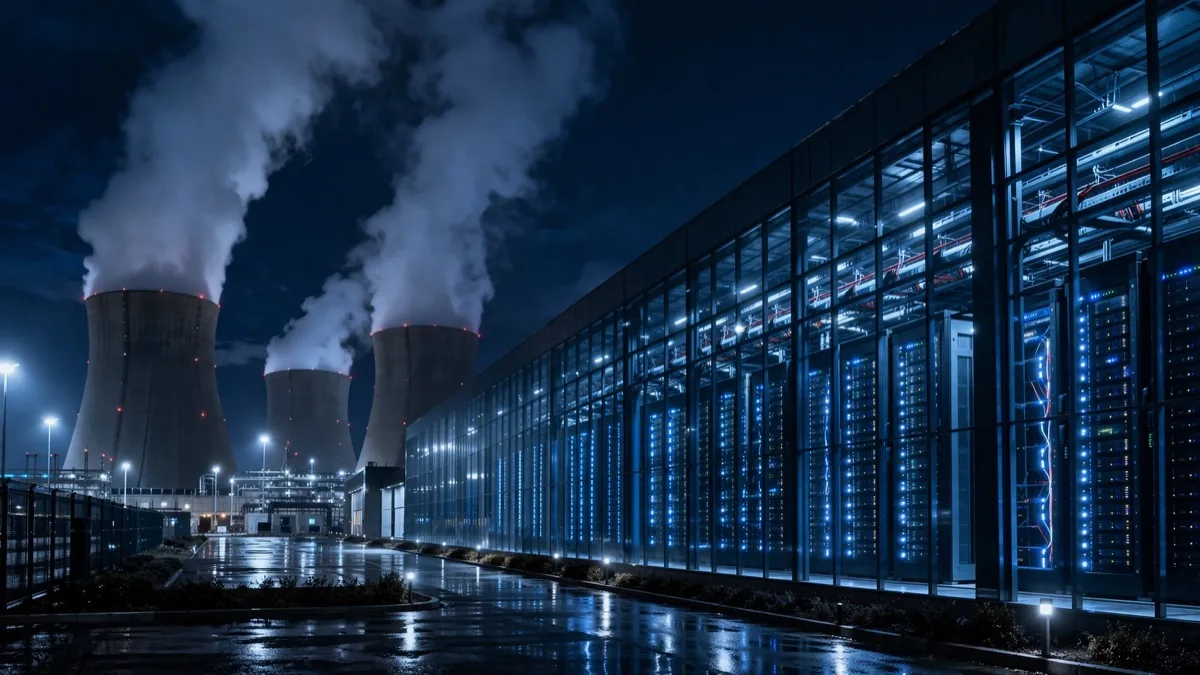
The AI infrastructure buildout has been presented mostly as a story about chips, power grids, and capital expenditure. But there's a third resource that's getting less attention and is becoming increasingly contested: water. North American data centers consumed nearly 1 trillion liters of water in 2025, used primarily to cool servers running AI workloads — and investors are done waiting for voluntary disclosures.
Ahead of the 2026 annual shareholder meetings for Amazon, Microsoft, and Google, more than a dozen investor resolutions have been filed demanding site-specific transparency on water and power consumption. The pressure campaign is coordinated and significant enough that the Data Center Coalition — the industry's trade group — has acknowledged that community engagement has become its top priority.
What the Resolutions Are Asking For
The investor demands aren't vague sustainability language. They're asking for specific data: how much water does each data center use, in which locations, and how does that usage affect local water supplies? Current disclosures from all three companies aggregate consumption at a company-wide level, which makes it impossible for local communities or regulators to assess the impact of any specific facility.
Trillium Asset Management, a Boston-based firm managing more than $4 billion in assets, filed a resolution with Alphabet (Google's parent) in December asking for clarity on how the company plans to meet its existing climate goals given the surging energy demands of AI. Similar resolutions were filed with Amazon and Microsoft.
The Community Opposition Problem
The investor pressure follows a wave of local pushback that has already forced project pauses. Amazon, Microsoft, and Google have each scrapped or delayed multibillion-dollar data center projects in recent months after communities raised concerns about strain on local water and power infrastructure.
The pattern is familiar: a tech company announces a large data center in a smaller community, local officials initially support the tax revenue and jobs, and then residents push back when they learn how much water the facility will consume — often competing with agriculture, drinking water, or existing industrial users in drought-prone regions.
Why This Is an AI Story
Traditional data centers use significant resources. AI data centers use dramatically more. Training and running large language models requires GPU clusters that generate enormous heat and demand constant cooling. Water-cooled systems, which are more efficient than air cooling at scale, shift the environmental burden from electricity consumption to water consumption.
As the three major cloud providers race to build the infrastructure needed to run and train frontier AI models, the resource demands are compounding. The companies have made ambitious sustainability pledges — Microsoft aimed to be water-positive by 2030; Google has set similar targets — but those pledges were made before the current scale of AI infrastructure buildout was anticipated.
What Happens Next
Shareholder resolutions rarely pass at major tech companies — institutional ownership is concentrated enough that management usually wins. But the resolutions force public votes, generate media attention, and put the question on record. They also tend to escalate: a resolution that gets 20-25% of votes this year becomes harder to ignore next year.
The Data Center Coalition's acknowledgment that community engagement is now a top priority suggests the industry already knows the current approach isn't sustainable. Whether that translates into meaningful disclosure — or just better PR — is what investors are betting on when they file these resolutions.