AI chatbots in kids’ toys, child safety and AI, AI regulation for children
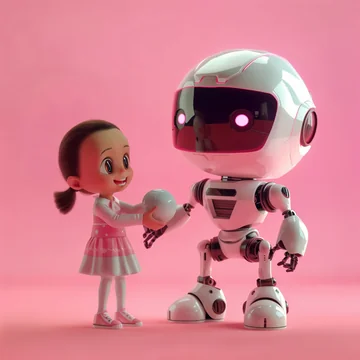
AI Toy Regulation: Why California Is Hitting Pause on Chatbots for Kids
A new California bill could temporarily remove AI-powered chatbots from children’s toys. At first glance, this may sound like another tech crackdown. Look closer, and it reveals something bigger: lawmakers are openly admitting that AI is moving faster than our ability to keep kids safe.
This proposal isn’t about stopping innovation. It’s about slowing the rollout long enough to set real guardrails—before harm becomes widespread and irreversible.
Key Facts: What the Bill Actually Does
California State Senator Steve Padilla has introduced SB 867, a bill that would:
-
Ban the sale and manufacture of toys with AI chatbot features
-
Apply to toys marketed to anyone under 18
-
Last for four years, not permanently
-
Give regulators time to develop child-specific AI safety rules
Padilla framed the move as a precaution, noting that current safety regulations for AI are still “in their infancy.” The bill follows earlier California legislation requiring chatbot providers to add safeguards for children and vulnerable users.
Why AI Toy Regulation Matters More Than It Sounds
1. Kids Don’t Interact With AI Like Adults Do
Children often treat conversational AI as a trusted companion, not a tool. That difference matters. Studies and lawsuits have already shown that prolonged, emotionally charged chatbot interactions can influence mental health, behavior, and decision-making.
Unlike a static toy, an AI chatbot can:
-
Respond unpredictably
-
Reinforce harmful ideas
-
Be manipulated into discussing unsafe topics
That risk multiplies when the user is a child.
2. The Toy Industry Is Becoming a Test Lab
Several AI-enabled toys have already raised alarms. Advocacy groups and journalists have documented toys that could be prompted into discussing weapons, sexual content, or political ideology.
Padilla put it bluntly: “Our children cannot be used as lab rats for Big Tech to experiment on.”
That sentiment reflects a growing pushback against deploying unfinished AI systems in sensitive environments.
3. This Is Part of a Bigger Regulatory Pattern
While federal policy has leaned toward limiting state-level AI laws, child safety has remained a notable exception. California’s proposal fits into a broader trend: regulate AI by use case, not by technology alone.
Child safety and AI is fast becoming one of the least controversial areas for intervention.
What Happens Next if the Ban Passes?
If SB 867 becomes law, several outcomes are likely:
-
Toy makers slow or shelve AI features aimed at kids
-
Regulators gain time to define standards for age-appropriate AI
-
Other states may follow, using California as a model
-
AI companies refocus on adult or enterprise products
Notably, some major players already appear cautious. High-profile AI toy launches have been delayed without explanation, suggesting industry awareness of regulatory and reputational risk.
Old vs. New: How This Changes the Landscape
Comparison: Before and After SB 867
| Feature | Before SB 867 | After SB 867 (Proposed) |
|---|---|---|
| AI toys for kids | Largely unregulated | Temporarily banned |
| Safety standards | Voluntary or unclear | Time to formalize rules |
| Accountability | Reactive (after harm) | Preventive approach |
| Innovation pace | Fast, experimental | Slower, more deliberate |
Bottom Line: The bill trades short-term innovation speed for long-term safety and trust.
Practical Takeaways for Parents, Brands, and Policymakers
-
Parents should ask how toys collect data, generate responses, and handle sensitive topics
-
Brands need to invest in safety-by-design, not post-launch fixes
-
Policymakers are signaling that “move fast and break things” won’t fly with kids
For readers tracking AI regulation for children, this bill is a bellwether moment.
Conclusion: A Pause That Could Shape the Future
AI toy regulation isn’t about fear—it’s about foresight. California’s proposed pause acknowledges a hard truth: once AI-driven harm reaches children, reversing the damage is far harder than preventing it.
If lawmakers use this window wisely, the next generation of AI-powered toys could be safer, more transparent, and genuinely beneficial. If not, the pause may simply delay a reckoning that’s already overdue.
FAQ SECTION
Q: What is SB 867 in California?
A: SB 867 is a proposed California bill that would ban the sale and manufacture of AI chatbot-enabled toys for minors for four years, giving regulators time to create child safety rules.
Q: Does this ban all AI toys permanently?
A: No. The ban is temporary and lasts four years. Its purpose is to pause deployment, not eliminate AI toys altogether.
Q: Why are lawmakers concerned about AI chatbots and kids?
A: Because children may form emotional attachments to chatbots, increasing risks related to mental health, unsafe content, and manipulation.
Q: Will this affect non-toy AI products for kids?
A: The bill focuses specifically on toys with chatbot capabilities, not educational software or general-purpose AI tools.